
 EN
EN



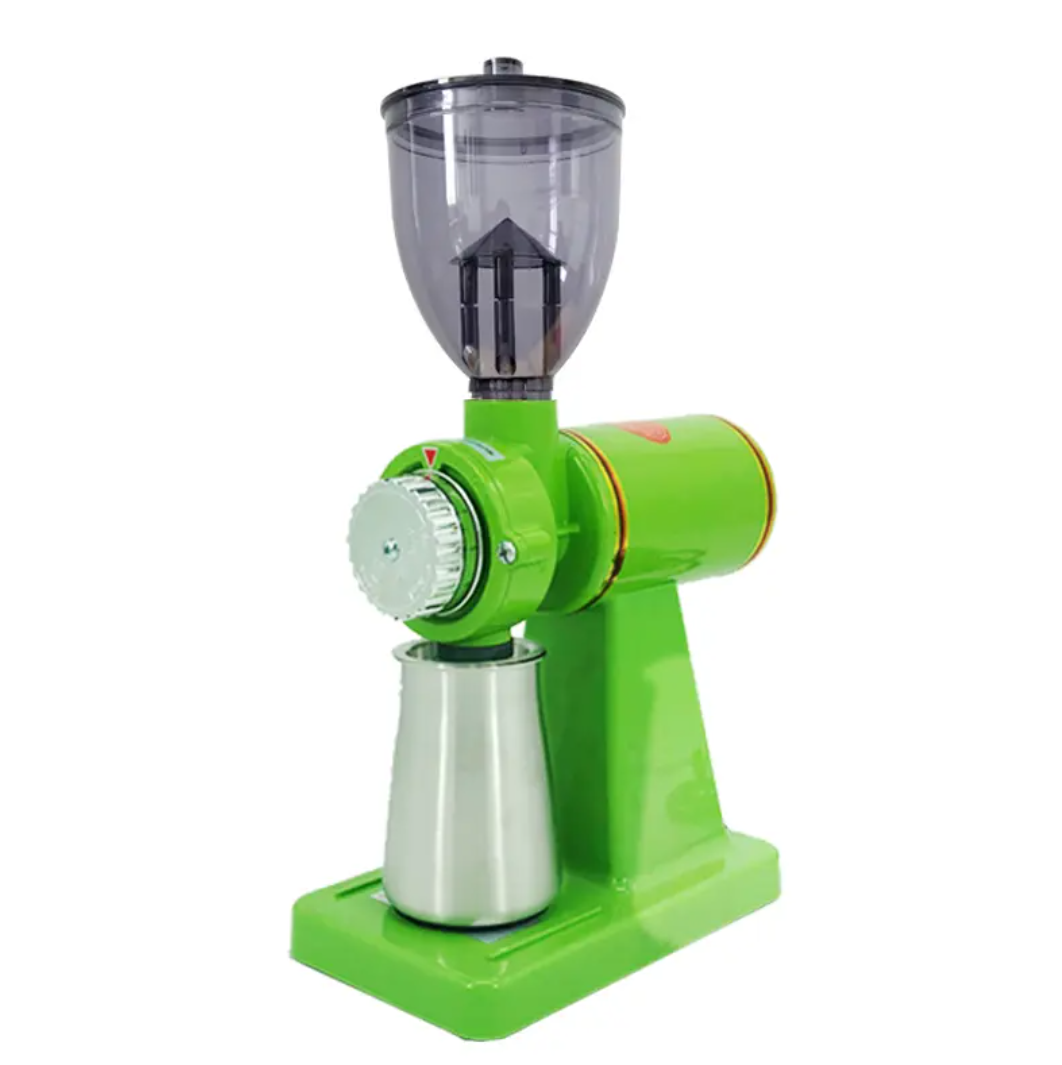
Understanding the relationship between burr specifications and grinding parameters is essential for achieving optimal extraction in specialty coffee preparation. The interplay between burr diameter, rotational speed, and heat generation significantly influences the final cup quality, making these factors critical considerations for both home enthusiasts and commercial operators. Modern grinding technology has evolved to address these challenges through precise engineering of burr geometry and motor control systems.
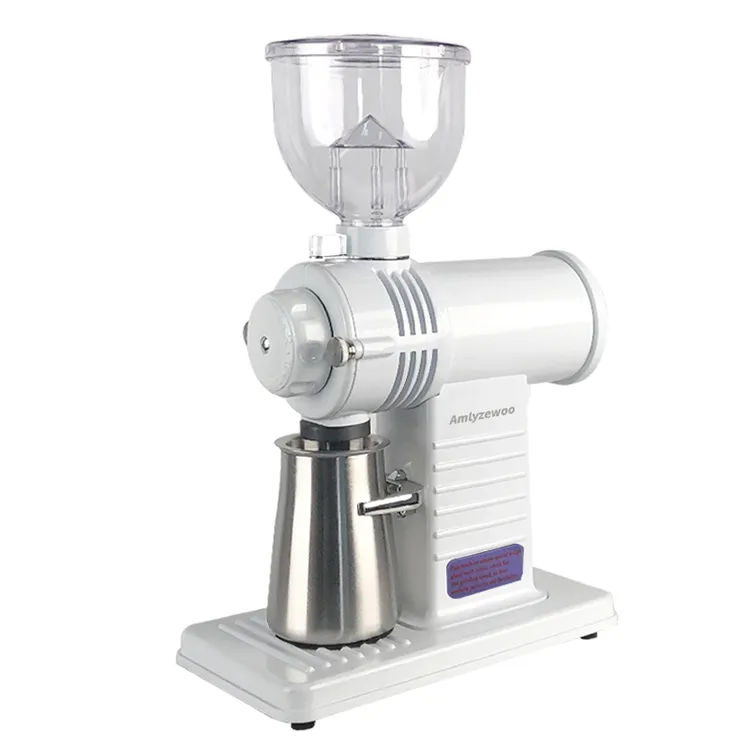
The thermal dynamics of coffee grinding represent one of the most overlooked aspects of extraction science, yet they profoundly impact flavor development and aromatic compound preservation. Professional baristas and coffee researchers have long recognized that excessive heat generation during the grinding process can lead to premature volatile compound evaporation and undesirable flavor alterations. This understanding has driven innovations in burr design and motor technology, resulting in more sophisticated grinding solutions for discerning coffee professionals.
Burr Diameter and Surface Area Relationships
Large Burr Advantages in Heat Distribution
Larger burr sets inherently provide superior heat dissipation characteristics due to their increased surface area and thermal mass. When comparing 58mm burrs to 83mm variants, the larger diameter creates approximately 60% more cutting surface, distributing the grinding load across a broader area. This distribution reduces localized heat buildup that can compromise coffee quality through premature volatile compound degradation. The increased thermal mass also acts as a heat sink, absorbing and dissipating energy more effectively than smaller alternatives.
The geometry of large burrs allows for more efficient particle size reduction with fewer revolutions per unit of coffee processed. Each individual coffee particle experiences less frictional contact time, reducing the cumulative heat exposure throughout the grinding cycle. Professional coffee grinder models leveraging large burr configurations consistently demonstrate superior temperature control, particularly during extended grinding sessions common in commercial environments.
Small Burr Limitations and Compensatory Measures
Compact burr designs, while advantageous for space-constrained applications, present inherent thermal challenges that require careful engineering solutions. The reduced surface area concentrates cutting forces into a smaller zone, increasing friction per unit area and accelerating heat generation. Manufacturers address these limitations through advanced cooling strategies, including enhanced ventilation systems and specialized burr coatings designed to reduce friction coefficients.
Temperature monitoring becomes particularly critical when utilizing smaller burr configurations, as thermal thresholds are reached more rapidly during operation. Quality coffee grinder systems incorporate thermal protection mechanisms to prevent overheating, including automatic pause cycles and temperature-based speed modulation. Understanding these limitations enables operators to optimize grinding protocols for consistent results regardless of burr size constraints.
RPM Impact on Thermal Generation
Low Speed Benefits for Temperature Control
Reduced rotational speeds directly correlate with decreased frictional heat generation, making low-RPM operation a cornerstone of premium grinding technology. Operating burrs at 400-600 RPM versus conventional 1400+ RPM configurations can reduce peak grinding temperatures by 15-25 degrees Celsius, preserving delicate aromatic compounds essential for exceptional flavor profiles. This temperature differential represents the boundary between optimal extraction potential and thermal degradation of coffee's most prized characteristics.
The extended contact time associated with slower grinding speeds actually improves particle size consistency through more controlled fracturing patterns. Each coffee bean experiences gradual compression and shearing forces rather than violent impact, resulting in more uniform particle distribution and reduced fines production. Professional coffee grinder manufacturers have embraced this principle, developing gear reduction systems that prioritize grinding quality over speed.
High Speed Challenges and Mitigation Strategies
Rapid burr rotation, while increasing throughput capacity, generates substantial thermal energy through accelerated friction and air turbulence within the grinding chamber. The kinetic energy conversion to heat becomes exponentially more problematic as RPM increases, requiring sophisticated cooling and ventilation systems to maintain acceptable operating temperatures. Commercial applications demanding high-volume output must balance speed requirements against flavor preservation priorities.
Advanced motor control technologies enable variable speed operation, allowing operators to adjust RPM based on specific grinding requirements and ambient conditions. Intelligent coffee grinder systems monitor internal temperatures and automatically modulate speed to prevent thermal thresholds from being exceeded. These adaptive control systems represent the evolution of grinding technology toward more nuanced and responsive operation.
Heat Generation Mechanisms in Coffee Grinding
Friction-Based Thermal Dynamics
The primary heat source during coffee grinding originates from friction between burr surfaces, coffee particles, and internal air circulation patterns. As burrs rotate under load, contact pressure between cutting edges and coffee beans generates thermal energy proportional to rotational speed and applied force. Understanding these friction dynamics enables optimization of burr geometry and surface treatments to minimize unwanted heat generation while maintaining cutting efficiency.
Burr material selection significantly influences thermal characteristics, with steel compositions offering different heat retention and dissipation properties compared to ceramic alternatives. Steel burrs typically conduct heat more efficiently but also transfer thermal energy to ground coffee more readily, while ceramic burrs provide superior thermal insulation but may retain heat longer between grinding cycles. Modern coffee grinder designs incorporate these material properties strategically to optimize thermal performance.
Air Circulation and Convective Cooling
Internal airflow patterns within grinding chambers create both cooling opportunities and additional thermal challenges through compression heating effects. Properly designed ventilation systems facilitate heat removal through convective air circulation, while poor airflow design can trap heated air and exacerbate temperature problems. Professional grinding systems incorporate engineered air channels that promote efficient heat exchange without compromising particle size consistency.
The interaction between grinding chamber geometry and air movement patterns determines overall thermal efficiency during operation. Optimized designs create controlled air circulation that removes heated particles quickly while introducing cooler ambient air to moderate internal temperatures. This thermal management approach requires precise engineering to balance cooling effectiveness with grind quality preservation throughout the process.
Flavor Impact Mechanisms
Volatile Compound Preservation
Coffee's aromatic profile depends heavily on volatile organic compounds that are particularly sensitive to thermal exposure during grinding operations. Excessive heat can cause premature evaporation of delicate esters, aldehydes, and other flavor-active molecules that define coffee's distinctive characteristics. Temperature control during grinding becomes essential for preserving these compounds, which directly translate to cup quality and sensory experience.
Research demonstrates that grinding temperatures above 60°C begin to compromise volatile retention, with significant losses occurring beyond 70°C. Professional coffee grinder systems maintain grinding temperatures well below these critical thresholds through careful engineering of burr specifications and operational parameters. This temperature consciousness represents a fundamental aspect of quality-focused coffee preparation at both commercial and artisanal levels.
Extraction Efficiency Implications
Thermally affected coffee grounds exhibit altered extraction characteristics due to cellular structure changes and surface chemistry modifications caused by heat exposure. Overheated particles may extract more rapidly initially but fail to yield optimal soluble compound ratios, resulting in unbalanced flavor profiles with excessive bitterness or astringency. Proper temperature control during grinding ensures consistent extraction behavior across all particle sizes.
The relationship between grinding temperature and subsequent extraction uniformity highlights the importance of thermal management throughout the coffee preparation process. Maintaining consistent particle temperature enables predictable brewing behavior and reproducible cup quality, essential factors for both commercial consistency and home brewing excellence. Advanced coffee grinder systems incorporate thermal monitoring to ensure optimal preparation conditions.
Optimization Strategies for Temperature Control
Burr Selection and Configuration
Choosing appropriate burr specifications requires balancing thermal performance against practical operational requirements including throughput, particle size range, and maintenance considerations. Large diameter burr sets provide inherent thermal advantages but may not suit all application contexts due to size and cost constraints. Professional coffee grinder selection involves careful evaluation of thermal requirements relative to specific use case demands and performance expectations.
Burr geometry optimization extends beyond simple diameter considerations to include cutting angle design, tooth pattern configuration, and surface finish specifications that influence both grinding efficiency and thermal characteristics. Modern manufacturing techniques enable precise control over these parameters, allowing customization of thermal performance for specific applications while maintaining consistent particle size distribution and grinding quality.
Operational Parameter Optimization
Systematic adjustment of grinding parameters including RPM settings, batch sizes, and rest intervals between grinding cycles enables fine-tuning of thermal performance for specific operational requirements. Establishing optimal parameter combinations requires understanding the relationship between throughput demands and temperature control priorities, often involving compromise between speed and thermal preservation depending on application context.
Monitoring thermal performance during operation provides valuable feedback for parameter optimization, enabling real-time adjustments to maintain desired temperature ranges. Professional coffee grinder systems with integrated temperature sensors facilitate this optimization process through automated parameter adjustment based on thermal feedback, ensuring consistent performance across varying operational conditions and ambient environments.
FAQ
How does burr size affect grinding temperature
Larger burrs distribute grinding forces across greater surface area, reducing localized heat buildup through improved thermal mass and heat dissipation. The increased cutting surface allows for more efficient particle reduction with less friction per unit area, resulting in lower overall grinding temperatures. This thermal advantage becomes particularly significant during extended grinding sessions where smaller burrs may experience problematic heat accumulation.
What RPM range provides optimal temperature control
Professional coffee grinder systems typically operate most effectively between 400-600 RPM for optimal temperature control while maintaining reasonable throughput. This speed range minimizes frictional heat generation while allowing sufficient grinding efficiency for practical applications. Higher speeds may be necessary for commercial volume requirements but require enhanced cooling systems and thermal monitoring to prevent flavor degradation.
Can grinding temperature significantly impact coffee flavor
Grinding temperature directly affects volatile compound retention and extraction characteristics, with temperatures above 60°C beginning to compromise flavor quality through premature aromatic loss. Excessive heat can alter cellular structure and surface chemistry of ground particles, leading to unbalanced extraction and degraded cup quality. Proper temperature control during grinding preserves delicate flavor compounds essential for optimal coffee preparation.
What features indicate good thermal management in a coffee grinder
Quality thermal management features include large burr diameter, low-speed operation, efficient ventilation systems, and temperature monitoring capabilities. Professional coffee grinder models incorporate gear reduction systems for speed control, enhanced air circulation for cooling, and thermal protection mechanisms to prevent overheating. These features work together to maintain optimal grinding temperatures while preserving coffee quality throughout the grinding process.