
 EN
EN



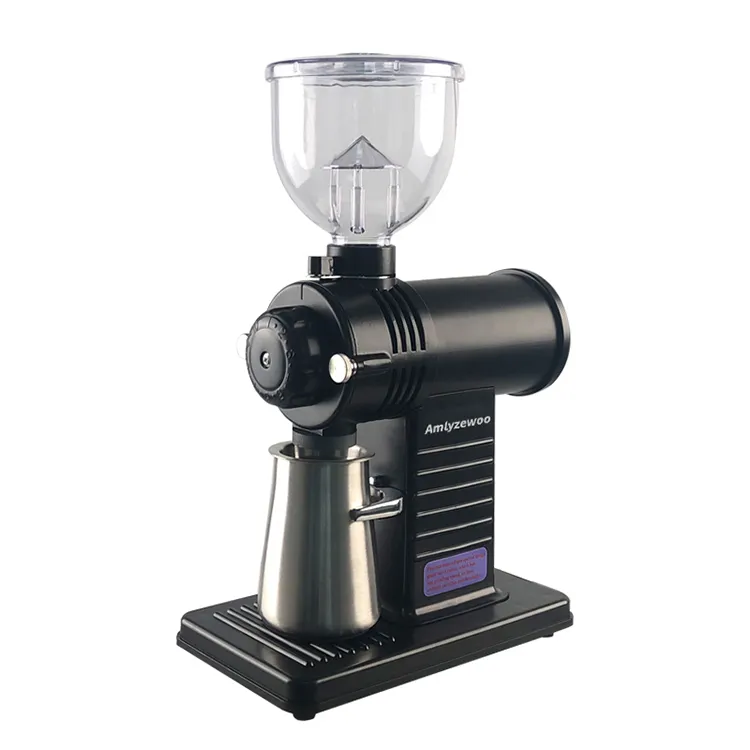
Achieving the perfect cup of coffee starts with understanding how burr grinder settings directly influence extraction quality across different roast levels. The relationship between grind size, roast darkness, and brewing method creates a complex matrix that determines whether your coffee will taste balanced, over-extracted, or disappointingly weak. Professional baristas and home brewing enthusiasts alike recognize that mastering burr grinder settings requires both technical knowledge and practical experimentation to unlock each bean's full flavor potential.
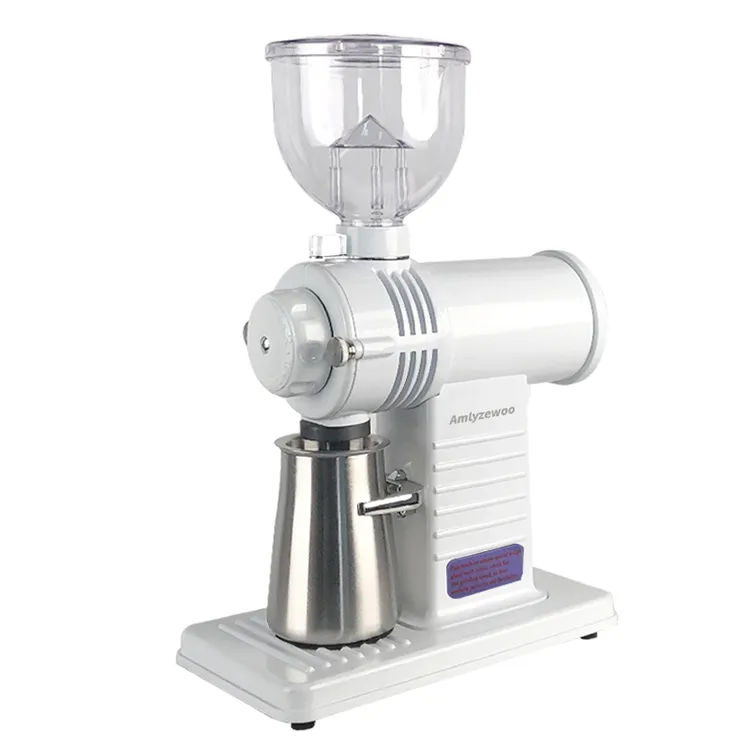
Modern coffee culture demands precision in every brewing variable, and grind consistency stands as the cornerstone of exceptional extraction. The cellular structure of coffee beans changes dramatically during the roasting process, creating varying densities and solubility rates that require specific burr grinder settings to achieve optimal results. Light roasts maintain higher density and acidity levels, while dark roasts become more porous and develop complex oil compounds that respond differently to grinding and extraction methods.
Understanding Coffee Bean Structure and Roast Density
Cellular Changes During Roasting Process
The transformation of green coffee beans into aromatic roasted coffee involves complex chemical reactions that fundamentally alter the bean's physical structure. During the roasting process, moisture content decreases from approximately 12% to 2%, while the cellular matrix expands and becomes increasingly brittle. These structural changes directly impact how burr grinder settings should be adjusted to achieve consistent particle distribution and optimal extraction rates across different roast levels.
First crack occurs around 385°F when beans begin expanding and releasing moisture, creating the initial popping sounds that indicate light roast development. At this stage, beans maintain higher density and require finer burr grinder settings to break through the more resilient cellular walls. The Maillard reaction accelerates during this phase, developing the foundational flavor compounds that characterize lighter roast profiles.
Second crack begins around 435°F as the bean structure becomes increasingly fragile and oils begin migrating toward the surface. This critical transition point marks where medium to dark roast development occurs, requiring coarser burr grinder settings to prevent over-extraction of the more soluble compounds that emerge during extended roasting periods.
Density Variations Between Roast Levels
Light roast coffee beans typically maintain 85-90% of their original density, creating a more resistant grinding surface that benefits from finer burr grinder settings and slower grinding speeds. The preserved cellular integrity means that achieving consistent particle distribution requires more aggressive grinding action to break through the dense structure effectively.
Medium roast beans lose approximately 15-18% of their original density, developing a more balanced cellular structure that responds well to standard burr grinder settings across most brewing methods. This roast level offers the most flexibility in grind adjustment, allowing brewers to fine-tune extraction based on specific flavor preferences and brewing equipment characteristics.
Dark roast coffee beans can lose up to 25% of their original density, becoming increasingly fragile and prone to uneven particle distribution when subjected to aggressive grinding. These beans require coarser burr grinder settings and gentler grinding approaches to prevent the generation of excessive fines that can lead to over-extraction and bitter flavor notes.
Optimal Grind Size Guidelines for Each Roast Level
Light Roast Grinding Specifications
Light roast coffee beans demand finer burr grinder settings to compensate for their dense cellular structure and lower solubility rates. The recommended particle size ranges from 400-600 microns for pour-over methods, with espresso extractions requiring even finer settings around 250-350 microns to achieve proper extraction times and flavor development.
The higher acidity levels in light roasts require longer extraction times to balance the bright flavor characteristics with underlying sweetness and complexity. Finer burr grinder settings increase the surface area available for water contact, facilitating the extraction of desirable compounds while minimizing the harsh acidity that can dominate improperly extracted light roast coffee.
Temperature considerations become crucial when grinding light roast beans, as excessive heat generation during the grinding process can volatilize delicate aromatic compounds before brewing begins. Burr grinder settings should prioritize consistent particle distribution over grinding speed to preserve the nuanced flavor profile that characterizes high-quality light roast coffee.
Medium Roast Adjustment Strategies
Medium roast coffee beans offer the greatest versatility in burr grinder settings, allowing brewers to emphasize different flavor aspects through grind size manipulation. The balanced cellular structure supports particle sizes ranging from 500-800 microns for drip methods, with French press extractions benefiting from coarser settings around 800-1000 microns.
The caramelization process that occurs during medium roasting creates water-soluble compounds that extract readily across a wide range of particle sizes. This flexibility allows for experimentation with burr grinder settings to highlight specific flavor notes or adjust for personal taste preferences without risking severe over or under-extraction.
Brewing time adjustments work synergistically with burr grinder settings for medium roast coffee, enabling precise control over extraction yield and flavor balance. Slightly coarser grinds can extend brewing times to emphasize body and sweetness, while finer settings accelerate extraction to highlight brightness and complexity in the final cup.
Dark Roast Processing Requirements
Dark roast coffee beans require significantly coarser burr grinder settings to prevent over-extraction of the bitter compounds that develop during extended roasting periods. The recommended particle size ranges from 700-1000 microns for most brewing methods, with cold brew applications benefiting from even coarser settings around 1000-1400 microns.
The oil migration that occurs during dark roasting creates surface compounds that extract almost instantaneously when exposed to water. Coarser burr grinder settings reduce the surface area available for extraction, helping to control the rate at which these potent flavor compounds enter the brewing solution and preventing overwhelming bitterness.
Static electricity generation becomes a significant concern when grinding dark roast beans due to their lower moisture content and oil presence. Proper burr grinder settings combined with humidity control and anti-static techniques help ensure even particle distribution and minimize retention within the grinding chamber.
Brewing Method Compatibility and Extraction Timing
Espresso Extraction Optimization
Espresso brewing demands the most precise burr grinder settings across all roast levels, with extraction times serving as the primary indicator of grind accuracy. Light roast espresso typically requires grinding settings that produce 25-30 second extraction times, while dark roasts may achieve optimal results in 20-25 seconds due to increased solubility.
The pressure-driven extraction method used in espresso brewing amplifies the effects of particle size distribution, making consistent burr grinder settings essential for reproducible results. Even small adjustments in grind size can dramatically alter extraction yield and flavor balance, requiring careful calibration and regular monitoring of extraction parameters.
Channeling prevention relies heavily on uniform particle distribution achieved through proper burr grinder settings and consistent tamping pressure. Uneven particle sizes create preferential flow paths that bypass portions of the coffee bed, resulting in simultaneous over and under-extraction that produces harsh, unbalanced espresso shots.
Pour-Over and Drip Method Considerations
Pour-over brewing methods benefit from burr grinder settings that emphasize particle uniformity over absolute size precision, as the manual control over water flow and timing allows for real-time extraction adjustments. Light roasts typically require finer settings to achieve 4-6 minute total brew times, while dark roasts extract optimally with coarser grinds in 3-4 minutes.
Water temperature interactions with different roast levels necessitate corresponding adjustments in burr grinder settings to maintain consistent extraction yields. Light roasts can withstand higher brewing temperatures when ground finer, while dark roasts require temperature moderation combined with coarser grinds to prevent extraction of undesirable bitter compounds.
Filter paper characteristics influence the optimal burr grinder settings for pour-over methods, as different filtration rates affect contact time and extraction efficiency. Thicker filters may require slightly finer grinds to compensate for reduced flow rates, while thin filters work best with marginally coarser settings to prevent over-extraction.
Immersion Brewing Adaptations
French press and other immersion methods rely on extended contact times that require careful coordination between burr grinder settings and steeping duration. The full immersion environment creates uniform extraction conditions that emphasize particle size consistency over precision, making these methods more forgiving of grind variations.
Filtration requirements for immersion brewing influence the optimal burr grinder settings, as finer particles can pass through metal filters and create sediment in the final cup. Coarser grinds ranging from 800-1200 microns provide clean separation while maintaining adequate surface area for thorough extraction during the 4-8 minute steeping period.
Temperature retention characteristics of immersion brewing vessels affect extraction kinetics and may require adjustments to burr grinder settings to compensate for heat loss during extended contact times. Thermal mass considerations become particularly important when brewing larger batches or using materials with poor heat retention properties.
Technical Calibration and Maintenance Protocols
Burr Alignment and Calibration Procedures
Proper burr alignment forms the foundation of consistent grind quality and directly impacts the effectiveness of different burr grinder settings across roast levels. Regular calibration ensures that the marked settings correspond accurately to actual particle sizes, preventing gradual drift that can compromise extraction quality over time.
Seasoning new burrs requires grinding several pounds of coffee to establish proper surface characteristics and stabilize particle distribution patterns. During this break-in period, burr grinder settings may require frequent adjustment as the grinding surfaces develop their final texture and alignment characteristics.
Micro-adjustment capabilities become essential when working with different roast levels, as the subtle grind size changes needed to optimize extraction often fall between standard setting increments. High-quality grinders incorporate stepless adjustment mechanisms that allow for precise tuning of burr grinder settings to match specific bean characteristics and brewing requirements.
Cleaning and Maintenance Impact
Regular cleaning protocols significantly impact the consistency of burr grinder settings and their effectiveness across different roast levels. Oil buildup from dark roast coffee can cause particle size drift and create inconsistent grinding patterns that compromise extraction quality regardless of the selected settings.
Burr replacement schedules vary based on usage patterns and coffee types, with dark roast grinding typically requiring more frequent maintenance due to increased oil content and abrasive characteristics. Worn burrs produce increasingly inconsistent particle distributions that cannot be compensated through burr grinder settings adjustments alone.
Static electricity management becomes crucial for maintaining accurate burr grinder settings, particularly when processing different roast levels throughout the day. Anti-static treatments and proper humidity control help ensure consistent particle flow and minimize retention that can affect subsequent grinding sessions.
FAQ
How often should I adjust my burr grinder settings when switching between roast levels
You should adjust your burr grinder settings every time you switch between significantly different roast levels to maintain optimal extraction quality. Light to dark roast transitions typically require 3-5 setting adjustments, while medium roast variations may only need 1-2 step changes. Always perform a test grind and brewing cycle to verify the adjustment before preparing your final cup, as individual bean characteristics can vary even within the same roast category.
What causes inconsistent particle distribution even with proper burr grinder settings
Inconsistent particle distribution despite correct burr grinder settings usually results from worn burrs, improper alignment, or accumulated oil and debris affecting grinding performance. Static electricity can also cause uneven particle flow and retention within the grinding chamber. Regular maintenance, including thorough cleaning and burr inspection, typically resolves these issues and restores consistent grinding performance across all settings.
Can I use the same burr grinder settings for single-origin and blend coffees
Single-origin and blend coffees often require different burr grinder settings even when roasted to similar levels due to varying bean densities, sizes, and processing methods. Blends may contain beans with different roast degrees that respond inconsistently to uniform grinding, requiring compromise settings that may not optimize any individual component. Single-origin coffees typically allow for more precise setting adjustments tailored to the specific bean characteristics.
Why do my espresso shots taste different with identical burr grinder settings
Environmental factors including humidity, temperature, and atmospheric pressure can affect coffee bean moisture content and extraction characteristics, causing taste variations even with identical burr grinder settings. Bean age also influences solubility and may require gradual setting adjustments as the coffee degasses over time. Additionally, machine temperature fluctuations and inconsistent tamping pressure can create extraction variations that mask the effects of consistent grind settings.
Table of Contents
- Understanding Coffee Bean Structure and Roast Density
- Optimal Grind Size Guidelines for Each Roast Level
- Brewing Method Compatibility and Extraction Timing
- Technical Calibration and Maintenance Protocols
-
FAQ
- How often should I adjust my burr grinder settings when switching between roast levels
- What causes inconsistent particle distribution even with proper burr grinder settings
- Can I use the same burr grinder settings for single-origin and blend coffees
- Why do my espresso shots taste different with identical burr grinder settings