
 EN
EN



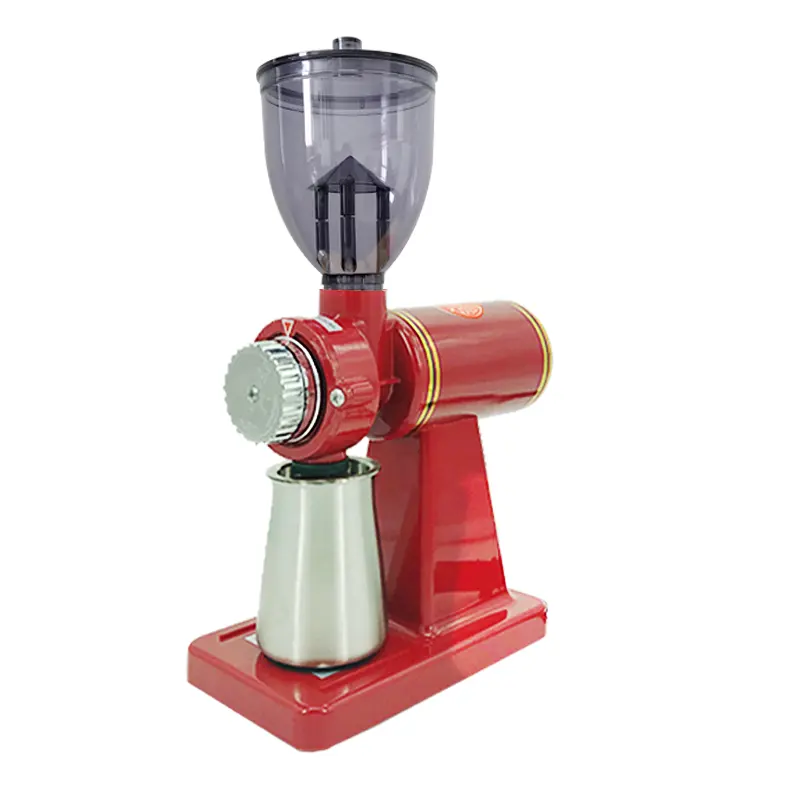
Mastering the art of coffee brewing begins with understanding how burr grinder settings directly impact the flavor extraction from your beans. The relationship between grind size and roast level determines whether your morning cup delivers the perfect balance of acidity, sweetness, and body. Professional baristas and home coffee enthusiasts alike recognize that adjusting burr grinder settings according to roast characteristics is essential for achieving consistent, exceptional results.
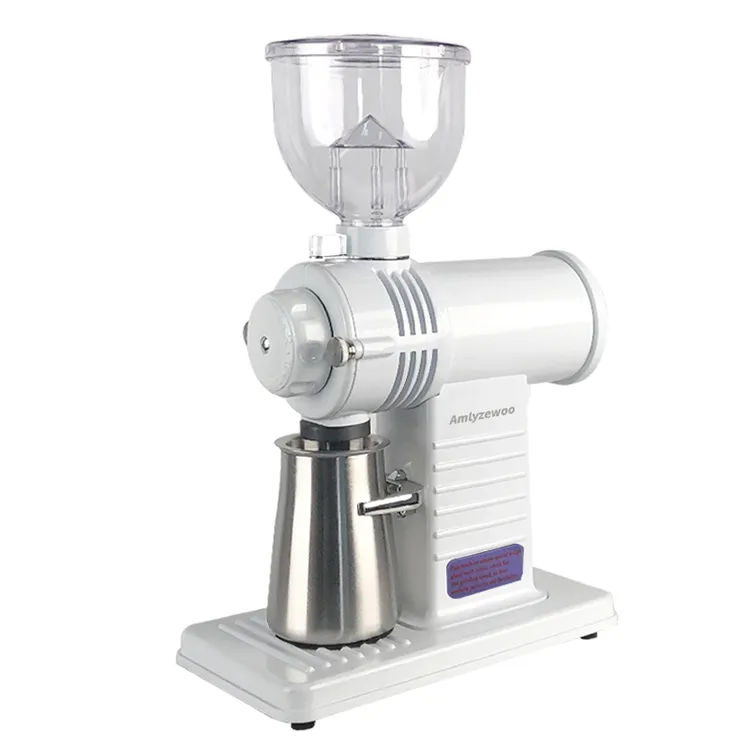
Different coffee roast levels require specific grind adjustments to maximize their unique flavor profiles. Light roasts maintain higher density and acidity, demanding finer burr grinder settings to facilitate proper extraction. Medium roasts offer balanced characteristics that work well with moderate grind sizes, while dark roasts develop lower density and increased oil content, necessitating coarser settings to prevent over-extraction and bitter notes.
Understanding Coffee Roast Characteristics
Light Roast Properties and Grinding Requirements
Light roast coffee beans retain their original cellular structure and higher moisture content compared to darker roasts. These beans exhibit bright acidity, floral notes, and complex flavor compounds that require careful extraction through precise burr grinder settings. The dense nature of light roasts means they resist breaking down, making them ideal candidates for finer grind sizes that increase surface area contact with water.
When working with light roasts, your burr grinder settings should lean toward the finer end of the spectrum while maintaining consistency. The goal is to create enough surface area for water to extract the delicate flavors without creating excessive fines that lead to over-extraction. Professional coffee cupping protocols typically recommend grind sizes between 400-600 microns for light roasts, depending on brewing method and personal preference.
Medium Roast Balance and Versatility
Medium roast coffee represents the sweet spot where bean characteristics and roasting flavors achieve harmony. These beans develop caramelization while preserving origin characteristics, creating a balanced profile that responds well to moderate burr grinder settings. The cellular structure begins to break down during roasting, making medium roasts easier to grind and extract compared to their lighter counterparts.
The versatility of medium roasts allows for a broader range of acceptable grind sizes, making them forgiving for those still learning to optimize their burr grinder settings. This roast level works exceptionally well with grind sizes ranging from 600-800 microns, providing enough extraction surface while maintaining clarity and preventing muddy flavors that can result from over-extraction.
Optimizing Burr Grinder Settings for Brewing Methods
Espresso Extraction Fundamentals
Espresso brewing demands the finest burr grinder settings to achieve proper extraction within the 25-30 second timeframe. The high pressure and short contact time require maximum surface area to pull the desired flavors from the coffee grounds. Light roasts typically need slightly finer settings than dark roasts for espresso preparation, as their denser structure requires more aggressive extraction.
Fine-tuning espresso grind size involves making micro-adjustments to your burr grinder settings while monitoring extraction time and flow rate. A properly dialed-in espresso should flow like warm honey, with blonde crema developing throughout the extraction process. If shots pull too quickly, adjust your burr grinder settings finer; if they pull too slowly or taste bitter, coarsen the grind slightly.
Pour-Over and Drip Coffee Considerations
Pour-over brewing methods like V60, Chemex, and Aeropress require medium-fine to medium burr grinder settings that balance extraction efficiency with clarity. The longer contact time compared to espresso allows for coarser grinds while still achieving full extraction. Light roasts benefit from slightly finer settings to compensate for their density, while dark roasts perform better with medium to medium-coarse grinds.
Drip coffee makers and automatic brewing systems typically work best with medium burr grinder settings that prevent clogging while ensuring adequate extraction. The key is finding the sweet spot where water flows through the coffee bed at an optimal rate, typically completing extraction in 4-6 minutes for most drip systems. Experimenting with different settings helps identify the perfect grind size for your specific equipment and taste preferences.
Dark Roast Grinding Strategies
Managing Oil Content and Brittleness
Dark roast coffee beans present unique challenges due to their increased oil content and brittle cellular structure. These characteristics significantly impact how burr grinder settings should be adjusted to achieve optimal results. The oils can coat grinder burrs, affecting consistency and potentially clogging finer settings, while the brittle nature tends to create more fines and chaff during grinding.
Successful dark roast grinding requires slightly coarser burr grinder settings to accommodate the bean structure and prevent over-extraction of bitter compounds developed during the roasting process. The increased surface oils also mean that grind retention in your equipment may increase, requiring more frequent cleaning and calibration to maintain consistency across brewing sessions.
Preventing Over-Extraction Issues
Dark roasts are highly susceptible to over-extraction due to their developed structure and increased solubility. Proper burr grinder settings help mitigate this risk by limiting the surface area exposed to water while still allowing adequate flavor extraction. The goal is to extract the pleasant roasted flavors while avoiding the harsh, bitter compounds that can dominate when grind size is too fine.
Temperature control becomes equally important when working with dark roasts and optimized burr grinder settings. Lower brewing temperatures, typically 195-205°F instead of the standard 200-210°F, help prevent over-extraction when combined with appropriately coarse grind sizes. This approach preserves the sweeter, caramelized notes while minimizing harsh flavors that can overpower the coffee's character.
Advanced Grind Consistency Techniques
Calibrating Your Equipment
Achieving consistent results requires regular calibration of your burr grinder settings to account for burr wear, environmental factors, and bean variability. Professional coffee shops typically calibrate their grinders multiple times daily to maintain quality standards. Home users should establish a baseline for their preferred brewing methods and document successful settings for different roast levels and bean origins.
Burr alignment plays a crucial role in grind consistency and directly affects how your settings translate to actual particle size distribution. Misaligned burrs can create uneven particle sizes even when using optimal settings, leading to inconsistent extraction and poor flavor development. Regular maintenance and professional alignment checks ensure that your burr grinder settings produce the intended results.
Environmental Factor Considerations
Humidity, temperature, and altitude can significantly impact how coffee beans respond to specific burr grinder settings. High humidity environments may require slightly coarser settings as beans absorb moisture and become more pliable, while dry conditions might necessitate minor adjustments to prevent excessive fines generation. Understanding these environmental impacts helps maintain consistency regardless of external conditions.
Seasonal variations in coffee bean characteristics also influence optimal burr grinder settings. Freshly harvested crops often exhibit different grinding behaviors compared to aged beans, requiring subtle adjustments to maintain extraction consistency. Professional roasters and cafes often maintain detailed logs tracking these variations to inform their grinding protocols throughout the year.
Troubleshooting Common Grinding Issues
Addressing Inconsistent Particle Distribution
Inconsistent particle distribution often results from improper burr grinder settings, worn equipment, or incorrect grinding technique. When particle sizes vary significantly, some pieces over-extract while others remain under-extracted, creating a muddled flavor profile with both bitter and sour notes. Identifying and correcting these issues requires systematic evaluation of your grinding process and equipment condition.
Static buildup during grinding can also affect particle distribution and make it difficult to achieve precise burr grinder settings. Anti-static techniques, such as lightly misting beans before grinding or using grounded equipment, help maintain consistent particle flow and reduce retention within the grinder mechanism. These practices become particularly important when working with very fine settings required for espresso preparation.
Optimizing Grinder Performance
Regular cleaning and maintenance ensure that your burr grinder settings translate accurately to particle size output. Coffee oils and residue buildup can affect burr spacing and create inconsistencies that make it difficult to achieve repeatable results. Establishing a cleaning routine based on usage frequency helps maintain optimal performance and extends equipment lifespan.
Burr replacement timing significantly impacts grinding performance and the accuracy of your settings. Worn burrs may require finer settings to achieve the same particle size, and they often produce more inconsistent results with increased fines generation. Professional-grade burr grinders typically require replacement every 500-1000 pounds of coffee, while home units may need attention after 2-3 years of regular use.
FAQ
How often should I adjust my burr grinder settings for different roast levels
You should adjust your burr grinder settings each time you switch between significantly different roast levels, such as moving from light to dark roast. Minor variations within the same roast category typically don't require adjustment unless you notice changes in extraction time or flavor quality. Most coffee professionals recommend starting with a baseline setting for each roast level and making fine adjustments based on taste preferences and brewing results.
What grind size works best for cold brew coffee across different roast levels
Cold brew coffee generally requires coarse burr grinder settings regardless of roast level, typically in the 800-1000 micron range. Light roasts may benefit from slightly finer settings within this coarse range to compensate for their density, while dark roasts should use the coarser end to prevent over-extraction during the extended brewing time. The key is finding a balance that extracts sufficient flavor without creating excessive bitterness or astringency.
Can using the wrong grind size completely ruin a good coffee bean
Incorrect burr grinder settings can significantly compromise even the highest quality coffee beans by causing under-extraction or over-extraction. Under-extracted coffee tastes sour and weak, while over-extracted coffee becomes bitter and harsh. However, this damage is not permanent – using proper grind size for subsequent brews will restore the coffee's intended flavor profile. The key is learning to recognize extraction issues and adjusting settings accordingly.
How do I know if my current grind size is optimal for my roast level
Optimal burr grinder settings produce coffee that tastes balanced without excessive sourness or bitterness. For espresso, proper grind size results in extraction times between 25-30 seconds with steady flow. Pour-over coffee should complete extraction in 4-6 minutes with even saturation. If your coffee tastes sour or weak, try finer settings; if it tastes bitter or harsh, adjust coarser. Keeping detailed notes about settings and results helps identify your optimal configurations for different roast levels.