
 EN
EN



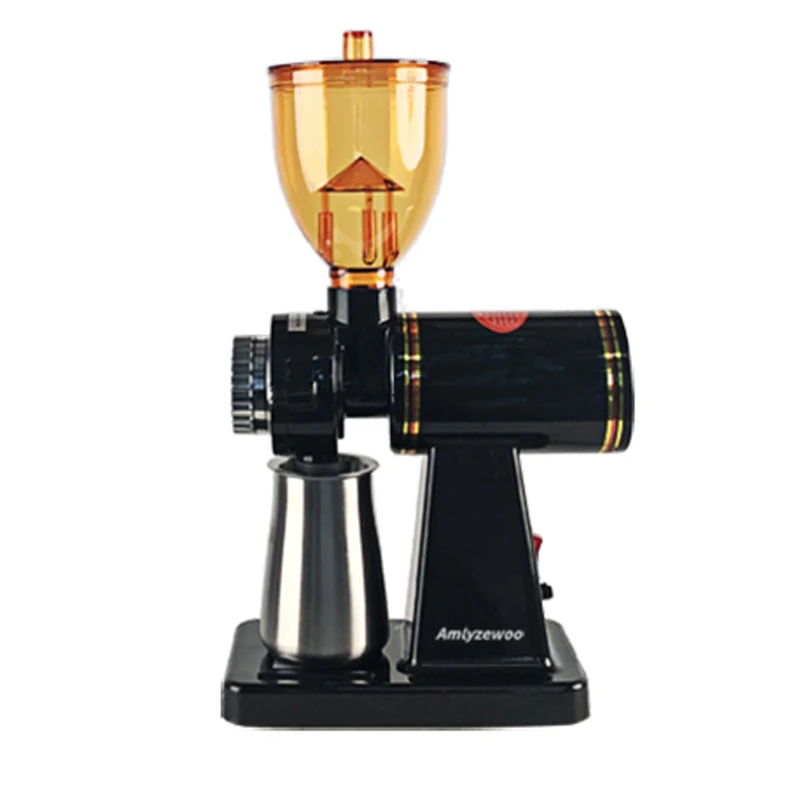
Choosing the right manual grinder can significantly impact your kitchen efficiency and food preparation experience. Whether you're grinding spices, coffee beans, or preparing fresh citrus juices, understanding the key features that define quality equipment becomes essential for both home cooks and commercial establishments. A well-designed manual grinder combines durability, functionality, and user comfort to deliver consistent results while withstanding daily use demands.
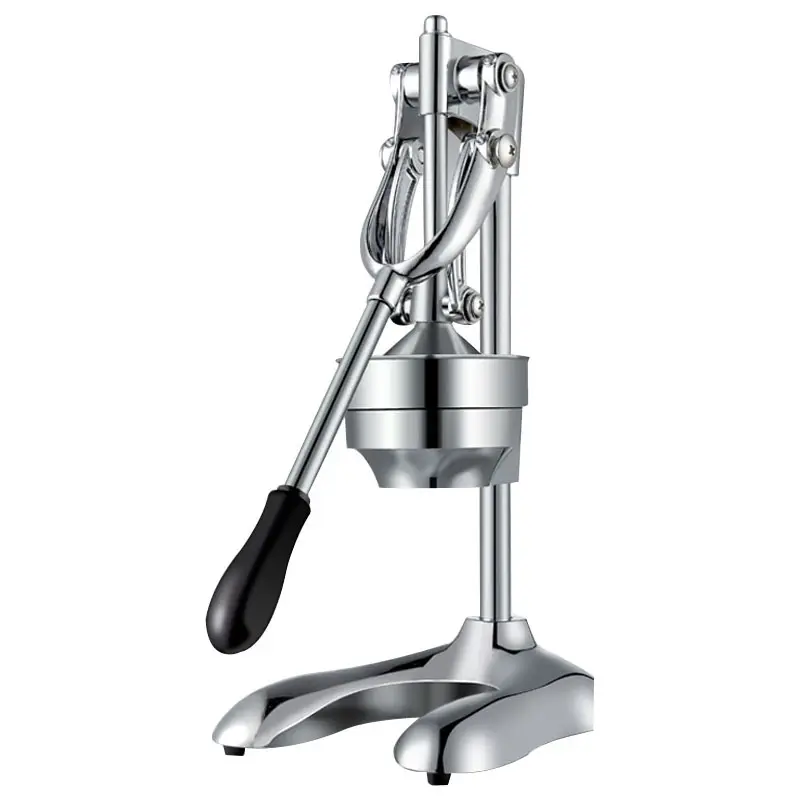
The modern culinary landscape demands equipment that performs reliably under various conditions while maintaining ease of operation. Manual grinding devices have evolved considerably, incorporating advanced materials and engineering principles to meet contemporary standards. Professional chefs and home enthusiasts alike recognize that investing in quality manual grinding equipment yields superior results compared to inferior alternatives that may compromise taste, texture, and operational efficiency.
Essential Material Considerations for Longevity
Stainless Steel Construction Benefits
Premium manual grinder designs prioritize stainless steel construction for multiple compelling reasons. This material offers exceptional corrosion resistance, ensuring your equipment maintains its appearance and functionality even after prolonged exposure to acidic ingredients like citrus fruits. The non-reactive properties of high-grade stainless steel prevent unwanted flavor contamination, preserving the authentic taste profiles of your ingredients while maintaining food safety standards.
Manufacturing quality varies significantly among stainless steel grades, making it crucial to identify products utilizing food-grade materials. Superior manual grinder models incorporate 304 or 316 stainless steel, which provides enhanced durability and resistance to pitting or staining. These premium grades ensure your investment maintains its performance characteristics throughout years of regular use, delivering consistent grinding results without material degradation concerns.
Component Durability Standards
Examining individual component construction reveals important insights about overall manual grinder reliability. Grinding mechanisms must withstand significant mechanical stress while maintaining precise tolerances for optimal performance. Quality manufacturers utilize hardened steel components in critical areas, ensuring grinding surfaces retain their effectiveness even after processing thousands of items.
Joint connections and pivot points represent potential failure areas in many manual grinder designs. Superior models feature reinforced connection points, often incorporating metal-to-metal interfaces rather than relying on plastic components that may crack or wear prematurely. These design decisions directly impact long-term functionality and user satisfaction, making careful component evaluation essential during selection processes.
Ergonomic Design Features for User Comfort
Handle Configuration and Grip Quality
Effective manual grinder operation depends heavily on comfortable handle design that accommodates various hand sizes and grip preferences. Ergonomically shaped handles reduce user fatigue during extended operation periods while providing secure control over grinding pressure and motion. Quality manufacturers conduct extensive user testing to optimize handle dimensions and surface textures for maximum comfort and efficiency.
Handle materials significantly influence user experience, with premium models incorporating non-slip surfaces that maintain grip security even when hands become moist during food preparation. Textured gripping areas or strategically placed finger indentations enhance control precision while reducing the physical effort required for effective operation. These design refinements become particularly important during high-volume food preparation scenarios.
Operational Mechanism Efficiency
The mechanical advantage built into manual grinder systems directly affects user experience and output quality. Lever-based designs can multiply applied force, reducing the physical effort required to achieve desired grinding results. Optimal gear ratios or cam mechanisms enable smooth operation while maximizing extraction efficiency, particularly important for citrus processing applications.
Smooth operational movement prevents user strain and ensures consistent results across different ingredients and processing volumes. Quality manual grinder models incorporate precision-machined components that eliminate binding or rough movement patterns. These engineering refinements contribute to both user satisfaction and long-term equipment reliability, justifying investment in premium products over basic alternatives.
Performance Characteristics and Output Quality
Grinding Consistency and Precision
Professional-grade manual grinder equipment delivers consistent particle sizes and extraction rates that directly impact final product quality. Precision-engineered grinding surfaces maintain uniform contact patterns, ensuring each operation produces similar results regardless of ingredient variations or user technique differences. This consistency becomes particularly crucial in commercial applications where product standardization requirements must be met.
Adjustable grinding settings allow users to customize output characteristics for specific applications, from coarse grinding for certain spices to fine extraction for citrus juice preparation. Quality manual grinder designs incorporate reliable adjustment mechanisms that maintain settings throughout operation cycles while providing clear indicators for reproducible results. These features enable users to achieve optimal outcomes for diverse ingredient types and preparation requirements.
Processing Efficiency and Throughput
Efficient manual grinder operation maximizes ingredient utilization while minimizing processing time and user effort. Superior designs optimize internal geometry to guide materials through grinding zones effectively, preventing waste accumulation and ensuring complete processing. These engineering considerations become particularly important when processing expensive ingredients where maximum yield extraction provides economic benefits.
Processing capacity represents another critical performance metric, with quality manual grinder models accommodating various ingredient sizes without compromising output quality. Generous chamber dimensions and efficient discharge mechanisms enable rapid processing of multiple items in succession, supporting both commercial operations and high-volume home food preparation activities.
Maintenance Requirements and Cleaning Procedures
Disassembly and Component Access
Effective manual grinder maintenance requires straightforward disassembly procedures that enable thorough cleaning and component inspection. Well-designed models incorporate tool-free disassembly features, allowing users to access all contact surfaces without specialized equipment or complex procedures. These design considerations significantly reduce maintenance time while encouraging regular cleaning practices that preserve equipment performance and hygiene standards.
Component accessibility affects both routine cleaning and potential repair requirements throughout the manual grinder service life. Models with removable grinding elements and easily separated sections facilitate comprehensive maintenance while enabling replacement of worn components when necessary. This serviceability extends equipment lifespan and provides better long-term value compared to sealed designs that require complete replacement when problems develop.
Cleaning Compatibility and Sanitation
Food safety regulations and personal hygiene preferences demand manual grinder designs that accommodate thorough sanitization procedures. Smooth surfaces without deep crevices or inaccessible areas prevent bacterial accumulation while enabling effective cleaning with standard kitchen sanitizers. Materials compatibility with common cleaning agents ensures routine maintenance procedures don't damage equipment surfaces or compromise performance characteristics.
Dishwasher compatibility represents a valuable convenience feature in many manual grinder applications, particularly for removable components that contact food ingredients. Heat-resistant materials and secure construction enable machine washing without component damage or performance degradation. This compatibility simplifies maintenance routines while ensuring consistent sanitation standards that meet both commercial and residential requirements.
Size and Storage Considerations
Space Efficiency and Portability
Kitchen space limitations often influence manual grinder selection, making compact designs attractive for residential applications while maintaining necessary performance capabilities. Efficient space utilization in modern equipment designs provides full functionality without excessive counter space requirements. Foldable handles or collapsible components can further reduce storage footprint when equipment isn't in active use.
Weight considerations affect both storage convenience and operational characteristics in manual grinder applications. While substantial construction provides stability during operation, excessive weight may limit portability or create storage challenges. Premium manufacturers balance material robustness with practical weight considerations to optimize user experience across diverse application scenarios.
Installation and Setup Requirements
Many manual grinder applications require secure mounting or positioning to ensure safe and effective operation. Quality designs incorporate versatile mounting options that accommodate different counter surfaces and workspace configurations without requiring permanent modifications. Suction cup bases, clamp mechanisms, or weighted designs provide operational stability while maintaining setup flexibility.
Setup simplicity affects user adoption rates and operational efficiency in busy kitchen environments. Intuitive manual grinder designs minimize preparation time while ensuring proper positioning for optimal performance and safety. Clear setup instructions and visual indicators help users achieve correct configuration quickly, supporting both commercial productivity requirements and home user convenience preferences.
Value Assessment and Investment Considerations
Cost-Benefit Analysis Framework
Evaluating manual grinder investment decisions requires comprehensive analysis of initial costs versus long-term benefits and operational savings. Premium equipment typically commands higher purchase prices but delivers superior durability, performance consistency, and user satisfaction that justify the investment through extended service life and reduced replacement frequency. Professional users often find that quality equipment pays for itself through improved efficiency and reduced downtime.
Total cost of ownership includes maintenance expenses, replacement part availability, and potential repair costs throughout the manual grinder service life. Quality manufacturers often provide superior warranty coverage and parts availability that reduce long-term ownership costs while ensuring continued operation when service needs arise. These factors significantly influence the true value proposition beyond initial purchase price considerations.
Brand Reputation and Support Services
Manufacturer reputation and customer support quality significantly impact manual grinder ownership experience, particularly when technical questions or service needs arise. Established brands with proven track records typically provide better documentation, customer service responsiveness, and parts availability that enhance user satisfaction and equipment longevity. Research into manufacturer history and customer feedback provides valuable insights for informed purchasing decisions.
Warranty terms and service policies reflect manufacturer confidence in product quality while providing user protection against defects or premature failure. Comprehensive coverage that includes both materials and workmanship demonstrates commitment to customer satisfaction and product reliability. These service commitments often distinguish premium manual grinder options from budget alternatives that may lack adequate support infrastructure.
FAQ
What materials should I prioritize when selecting a manual grinder for durability
Focus on food-grade stainless steel construction, particularly 304 or 316 grades that offer superior corrosion resistance and longevity. Avoid models with plastic components in high-stress areas, as these tend to crack or wear prematurely. Quality manual grinder models utilize hardened steel grinding surfaces that maintain their effectiveness even after processing thousands of items, ensuring consistent performance throughout the equipment's service life.
How do I determine if a manual grinder offers adequate ergonomic features for comfortable operation
Evaluate handle shape and size to ensure comfortable grip for your hand dimensions, with textured surfaces that provide secure control during operation. Look for designs that incorporate mechanical advantage through lever systems or optimal gear ratios, reducing the physical effort required for effective grinding. Consider the overall weight distribution and stability features that prevent fatigue during extended use periods in your specific applications.
What maintenance requirements should I expect with a quality manual grinder
Quality manual grinder designs feature tool-free disassembly for thorough cleaning and component inspection, with all food contact surfaces easily accessible for sanitization. Most components should be dishwasher compatible for convenient maintenance, while smooth surfaces without deep crevices prevent bacterial accumulation. Regular cleaning after each use and periodic deep cleaning will maintain optimal performance and hygiene standards throughout the equipment's service life.
How can I assess the long-term value of investing in a premium manual grinder versus basic models
Consider total cost of ownership including purchase price, maintenance expenses, and replacement frequency over several years of use. Premium manual grinder models typically offer superior durability, better warranty coverage, and parts availability that reduce long-term costs while providing consistent performance. Factor in operational efficiency gains and user satisfaction benefits that quality equipment provides, particularly in commercial applications where productivity directly impacts profitability.
Table of Contents
- Essential Material Considerations for Longevity
- Ergonomic Design Features for User Comfort
- Performance Characteristics and Output Quality
- Maintenance Requirements and Cleaning Procedures
- Size and Storage Considerations
- Value Assessment and Investment Considerations
-
FAQ
- What materials should I prioritize when selecting a manual grinder for durability
- How do I determine if a manual grinder offers adequate ergonomic features for comfortable operation
- What maintenance requirements should I expect with a quality manual grinder
- How can I assess the long-term value of investing in a premium manual grinder versus basic models