
 EN
EN



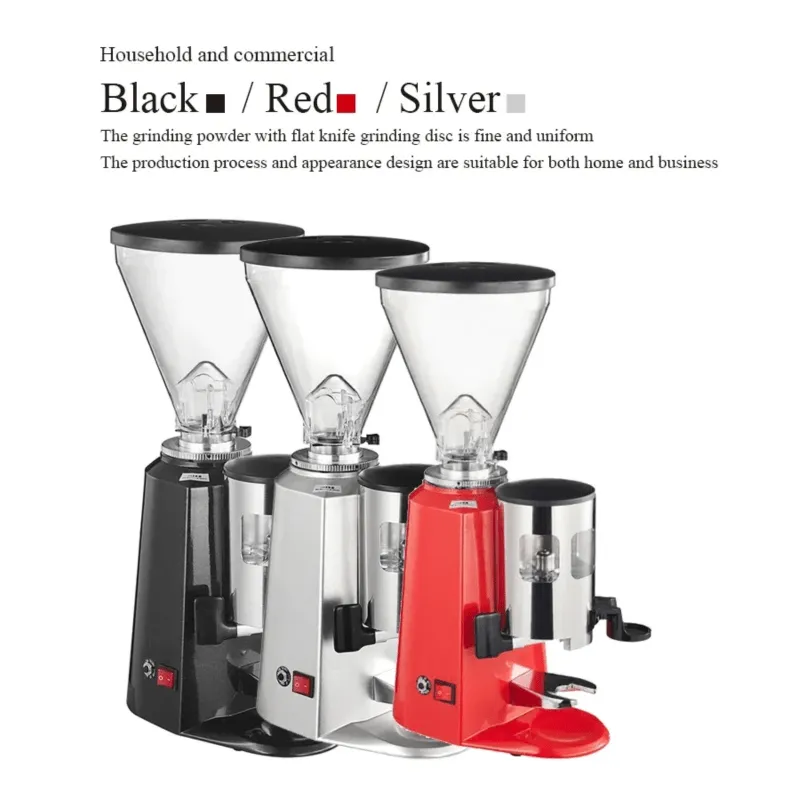
Coffee enthusiasts understand that exceptional coffee begins with exceptional grinding, but finding the perfect balance between performance and noise levels can be challenging. Quiet burr grinders have revolutionized home coffee preparation by delivering professional-grade grinding precision while maintaining peaceful morning routines. These sophisticated machines utilize advanced engineering principles to minimize operational noise without compromising grind quality or consistency. Modern quiet burr grinders employ steel or ceramic burr sets that crush beans gradually rather than chopping them, resulting in uniform particle distribution essential for optimal extraction.
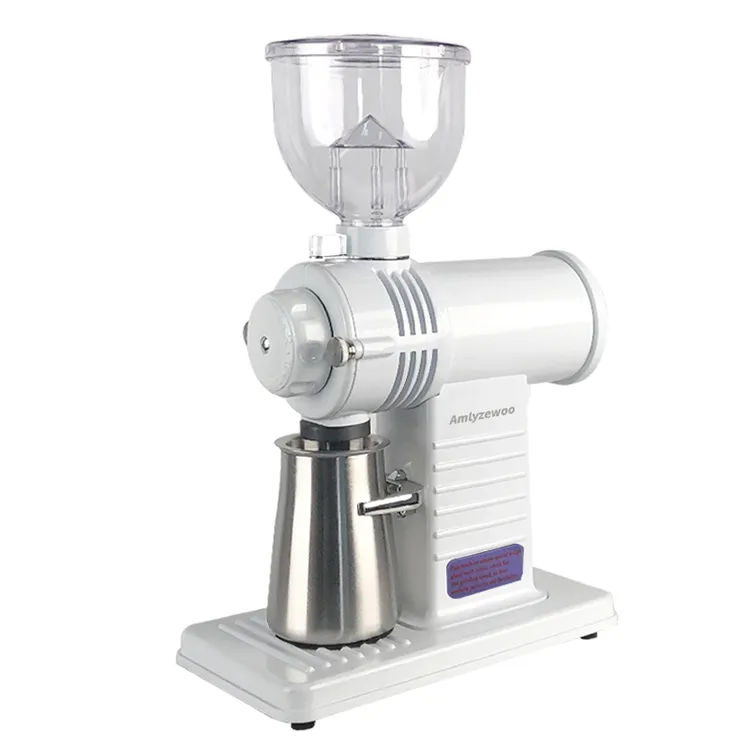
Understanding Burr Grinding Technology
Conical Versus Flat Burr Mechanisms
Conical burr systems feature cone-shaped grinding elements that create consistent particle sizes through controlled crushing action. These mechanisms typically operate at lower RPM speeds, naturally reducing noise production while preserving coffee bean aromatics and preventing heat buildup. The geometric design allows beans to flow downward through progressively narrower gaps, ensuring uniform grinding across all particle sizes. Professional baristas frequently prefer conical burr configurations for their ability to handle various bean densities and roast levels effectively.
Flat burr systems utilize parallel grinding discs that maintain precise spacing tolerances throughout the grinding process. While traditionally associated with commercial espresso equipment, modern flat burr designs incorporate noise-dampening features that make them suitable for residential applications. These systems excel at producing extremely consistent particle distributions required for espresso preparation and other precision brewing methods. Advanced flat burr quiet burr grinders often feature stepless adjustment mechanisms that provide infinite grind size control.
Motor Technology and Noise Reduction
Direct-drive motor systems eliminate gear reduction assemblies that contribute significantly to operational noise in traditional grinders. These motors operate at optimal speeds for burr grinding while maintaining minimal vibration transfer to surrounding components. Quality quiet burr grinders incorporate brushless DC motors that provide precise speed control and extended operational lifespan. Motor mounting systems utilize isolation materials that prevent vibration transmission to the grinder housing and surrounding surfaces.
Variable speed control enables users to optimize grinding parameters for different coffee types while maintaining quiet operation. Lower grinding speeds generally produce less noise but require longer grinding times to achieve desired quantities. Premium quiet burr grinders feature intelligent speed management systems that automatically adjust motor parameters based on bean hardness and grind size settings. These adaptive systems ensure consistent results while minimizing acoustic output across various operational scenarios.
Design Features for Noise Minimization
Housing Materials and Construction
Sound-dampening housing materials play crucial roles in noise reduction for modern quiet burr grinders. Dense polymer compounds and composite materials effectively absorb vibrations while providing durable protection for internal components. Strategic placement of sound-absorbing materials within the grinder housing creates acoustic barriers that prevent noise transmission to external environments. Quality manufacturers utilize double-wall construction techniques that incorporate air gaps for additional sound isolation.
Precision manufacturing tolerances ensure proper component alignment that minimizes operational vibrations and associated noise generation. Tight clearances between moving parts reduce rattling and mechanical noise while maintaining smooth operation throughout extended use periods. Advanced quiet burr grinders feature reinforced mounting points that eliminate flexing and resonance issues common in lower-quality alternatives. These construction approaches result in significantly quieter operation compared to traditional blade grinders or economy burr models.
Bean Hopper and Grinding Chamber Design
Sealed grinding chambers prevent coffee particle escape while containing grinding noise within controlled environments. Properly designed chambers incorporate acoustic dampening materials that absorb sound waves generated during the grinding process. Strategic air flow management reduces turbulence and associated noise while maintaining optimal bean feeding characteristics. Modern quiet burr grinders utilize precision-molded chambers that eliminate sharp edges and acoustic reflection points.
Bean hopper design significantly influences overall noise characteristics through proper weight distribution and vibration control. Weighted hoppers provide consistent bean feeding pressure while minimizing rattling and movement during operation. Removable hopper systems allow users to store beans separately while maintaining easy access for grinding operations. Quality quiet burr grinders incorporate locking mechanisms that ensure secure hopper attachment without compromising acoustic performance.
Performance Characteristics and Grinding Quality
Particle Size Distribution and Consistency
Uniform particle distribution directly impacts coffee extraction quality and flavor development across all brewing methods. Quiet burr grinders excel at producing consistent particle sizes that enable optimal water contact and extraction timing. Advanced burr geometries create narrow particle size distributions with minimal fines production, resulting in cleaner cup profiles and reduced over-extraction issues. Professional-grade quiet burr grinders achieve particle consistency levels comparable to commercial equipment while maintaining residential noise standards.
Grind adjustment mechanisms must maintain precision while accommodating various brewing requirements from coarse French press to fine espresso settings. Stepped adjustment systems provide reliable repeatability for consistent daily brewing routines. Stepless adjustment options offer infinite control for users seeking precise extraction optimization. Quality quiet burr grinders incorporate calibration systems that ensure accurate grind size representation across the entire adjustment range.
Grinding Speed and Heat Management
Controlled grinding speeds prevent excessive heat generation that can damage coffee bean cellular structures and volatile aromatic compounds. Slower burr rotation rates naturally reduce noise production while preserving delicate flavor characteristics through minimal heat buildup. Advanced quiet burr grinders incorporate thermal management systems that monitor operating temperatures and adjust parameters automatically. These systems ensure consistent grinding performance regardless of ambient conditions or extended operational periods.
Heat dissipation design elements include ventilation channels and thermal breaks that prevent heat accumulation within critical components. Proper airflow management maintains optimal operating temperatures while contributing to noise reduction through controlled air movement patterns. Premium quiet burr grinders feature temperature monitoring systems that provide user feedback regarding optimal grinding conditions. These thermal management approaches result in superior coffee quality preservation compared to high-speed alternatives.
Installation and Operational Considerations
Placement and Vibration Control
Strategic placement of quiet burr grinders significantly impacts overall noise transmission to surrounding areas and adjacent rooms. Solid countertop surfaces provide stable mounting platforms that minimize vibration amplification through structural elements. Isolation pads and dampening materials further reduce vibration transfer while protecting furniture surfaces from potential damage. Corner installations often provide natural sound barriers through wall proximity and reduced acoustic reflection paths.
Distance from sensitive areas such as bedrooms and study spaces should be considered when selecting installation locations for quiet burr grinders. Even the quietest models produce some operational noise that may be noticeable during early morning or late evening use periods. Sound transmission through floor joists and wall structures can amplify perceived noise levels in adjacent areas. Professional installation techniques include vibration isolation systems that effectively eliminate structural noise transmission.
Maintenance Requirements for Optimal Performance
Regular cleaning procedures ensure quiet burr grinders maintain optimal performance characteristics while preventing noise increases associated with coffee residue accumulation. Daily maintenance includes emptying grounds containers and wiping exterior surfaces to prevent oil buildup and contamination. Weekly deep cleaning involves disassembly of removable components for thorough washing and inspection. Monthly burr cleaning removes accumulated oils and particles that can affect grinding consistency and increase operational noise.
Proper lubrication schedules maintain smooth operation of moving components while preventing wear-related noise increases. Food-grade lubricants specifically designed for coffee equipment ensure safety while providing optimal protection for mechanical assemblies. Annual professional servicing includes burr alignment verification and motor performance evaluation. These maintenance approaches significantly extend equipment lifespan while preserving the quiet operation characteristics that make these grinders suitable for residential applications.
Comparative Analysis of Leading Models
Entry-Level Quiet Burr Options
Budget-conscious consumers can access quality quiet burr grinders that provide significant noise reduction compared to blade alternatives while maintaining acceptable grinding performance. Entry-level models typically feature ceramic burr sets that offer durability and consistent results for basic brewing applications. These grinders often incorporate simplified adjustment mechanisms that provide adequate control for common brewing methods. Sound levels for quality entry-level quiet burr grinders typically range from 65-75 decibels during operation.
Construction materials in entry-level models emphasize cost efficiency while maintaining essential noise reduction characteristics. Plastic housing components may not provide the same acoustic dampening as premium alternatives but still offer substantial improvements over traditional grinder designs. Motor systems in this category typically utilize universal motors with basic speed control systems. Despite limitations, well-designed entry-level quiet burr grinders deliver excellent value for users prioritizing noise reduction and basic grinding quality.
Premium and Professional-Grade Systems
High-end quiet burr grinders incorporate advanced materials and engineering techniques that achieve near-silent operation while delivering commercial-grade grinding performance. Premium models often feature precision-machined steel burr sets that provide exceptional longevity and consistent particle production. Advanced motor systems with variable speed control enable users to optimize grinding parameters for specific coffee types and brewing methods. Sound levels for premium quiet burr grinders typically range from 45-60 decibels during operation.
Professional-grade systems include sophisticated control interfaces that provide precise adjustment capabilities and operational feedback. Digital displays show grind settings, timing information, and maintenance reminders to ensure optimal performance throughout extended use periods. These systems often incorporate programmable grinding sequences that automate repetitive tasks while maintaining quiet operation standards. Advanced quiet burr grinders may include connectivity features that enable remote monitoring and control through smartphone applications.
FAQ
What decibel level should I expect from quality quiet burr grinders
Quality quiet burr grinders typically operate between 45-75 decibels depending on the specific model and price category. Premium units achieve sound levels comparable to normal conversation, while entry-level models produce noise similar to moderate rainfall. For comparison, traditional blade grinders often exceed 85 decibels, making quiet burr alternatives significantly more suitable for shared living spaces and early morning use.
How do ceramic burrs compare to steel burrs for noise reduction
Ceramic burrs generally produce slightly less grinding noise than steel alternatives due to their material properties and surface characteristics. However, the difference is typically minimal compared to other design factors such as motor type, housing construction, and overall engineering quality. Both materials can achieve excellent noise reduction when properly implemented in well-designed quiet burr grinders.
Can I use quiet burr grinders for all brewing methods
Modern quiet burr grinders accommodate the full range of brewing methods from coarse French press to fine espresso preparation. Adjustment ranges typically span 40-50 distinct settings that cover all common brewing requirements. The key is selecting a model with appropriate adjustment precision for your specific brewing preferences while maintaining the noise reduction characteristics you require.
What maintenance schedule keeps quiet burr grinders operating at minimum noise levels
Optimal noise performance requires daily emptying of grounds containers, weekly cleaning of removable components, and monthly deep cleaning of burr assemblies. Annual professional servicing ensures proper alignment and lubrication of mechanical components. Following manufacturer maintenance guidelines prevents performance degradation and noise increases that occur when coffee oils and particles accumulate within the grinding mechanism.