
 EN
EN



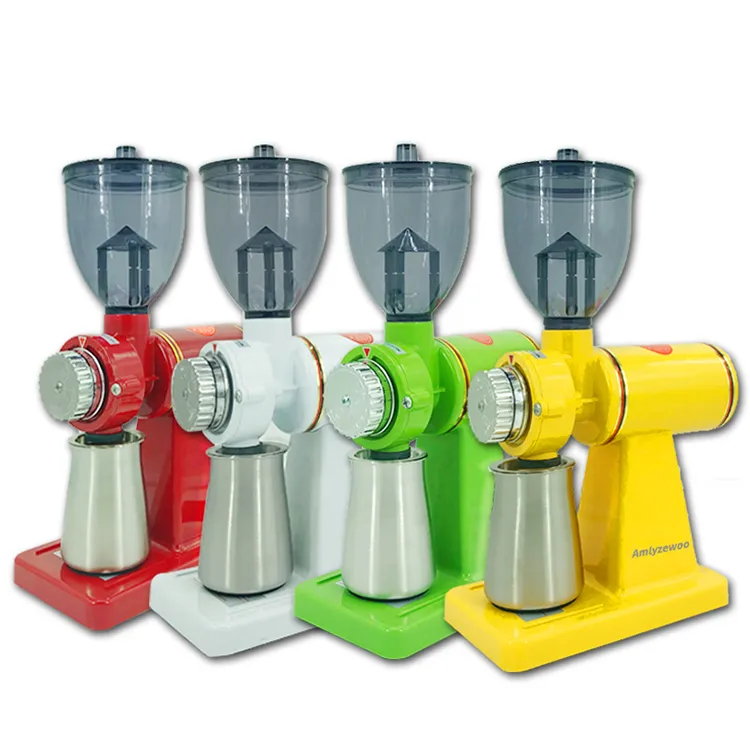
When it comes to brewing exceptional coffee at home, the quality of your grind plays a pivotal role in determining the final taste and aroma of your cup. An electric coffee grinder has become an essential tool for coffee enthusiasts who demand consistency and convenience in their daily brewing routine. Whether you're a novice coffee lover or someone looking to upgrade from pre-ground beans, understanding the nuances of electric coffee grinder technology can transform your entire coffee experience.
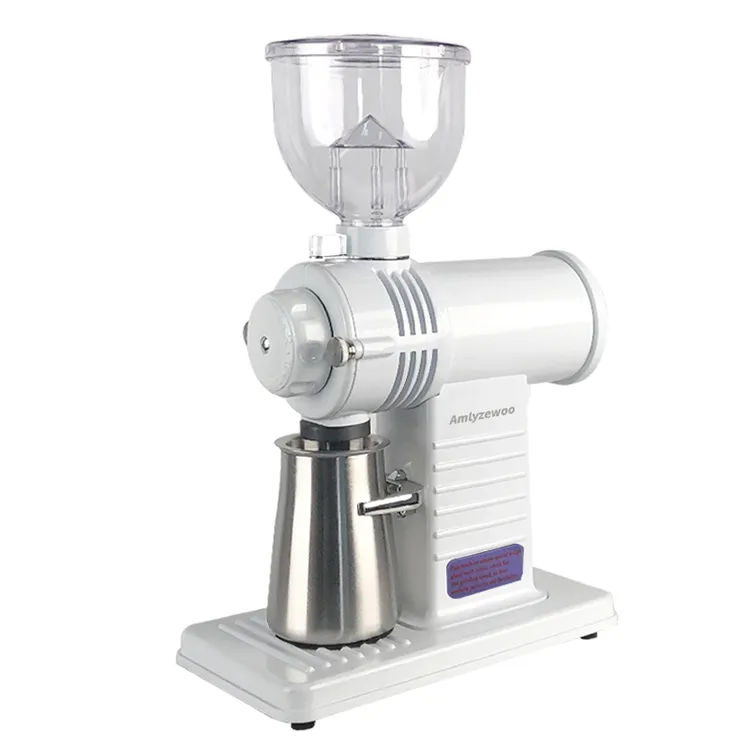
The modern electric coffee grinder market offers numerous options that cater to different brewing methods, budgets, and personal preferences. From burr grinders that ensure uniform particle size to blade models that provide quick and affordable grinding solutions, the choice can seem overwhelming. However, investing in the right electric coffee grinder is crucial for unlocking the full potential of your coffee beans and achieving cafe-quality results in your own kitchen.
Understanding Electric Coffee Grinder Technology
Burr Versus Blade Grinding Mechanisms
The fundamental difference between burr and blade electric coffee grinder models lies in their grinding mechanism and the consistency of particle size they produce. Burr grinders utilize two revolving abrasive surfaces to crush coffee beans uniformly, while blade grinders use spinning blades to chop beans into irregular pieces. This distinction significantly impacts the extraction process and ultimately affects the flavor profile of your brewed coffee.
Professional baristas and coffee experts consistently recommend burr-type electric coffee grinder units for their superior consistency and precision. The uniform particle size achieved by burr grinders ensures even extraction during brewing, preventing over-extraction of fine particles and under-extraction of larger ones. This consistency is particularly important for espresso preparation, where grind uniformity directly influences crema formation and shot timing.
Blade electric coffee grinder models, while more affordable, tend to produce uneven particle sizes that can result in bitter or sour notes in your coffee. However, they remain popular among casual coffee drinkers due to their lower cost and compact design. Understanding these differences helps consumers make informed decisions based on their brewing preferences and quality expectations.
Motor Power and Grinding Speed Considerations
The motor specifications of an electric coffee grinder significantly influence its performance, durability, and grinding efficiency. Higher wattage motors typically provide more consistent torque and can handle dense, oily beans without stalling or overheating. Most quality electric coffee grinder units feature motors ranging from 110 watts for basic models to over 300 watts for commercial-grade equipment.
Grinding speed, measured in revolutions per minute (RPM), affects both heat generation and particle consistency in an electric coffee grinder. Lower RPM models tend to produce less heat during operation, preserving the volatile oils and aromatic compounds that contribute to coffee's flavor complexity. Heat-sensitive coffee enthusiasts often prefer slower-grinding electric coffee grinder models to maintain optimal bean integrity.
The relationship between motor power and grinding speed determines the overall efficiency of an electric coffee grinder. Powerful motors operating at moderate speeds typically deliver the best combination of speed, consistency, and heat management, making them ideal for daily use in busy households or small cafes.
Key Features to Consider When Choosing
Grind Size Adjustment Capabilities
Versatility in grind size adjustment is a crucial factor when selecting an electric coffee grinder, as different brewing methods require specific particle sizes for optimal extraction. Espresso demands an extremely fine grind, while French press coffee requires a coarse, uniform grind. A quality electric coffee grinder should offer a wide range of grind settings to accommodate various brewing techniques and personal preferences.
Stepped adjustment systems provide predetermined grind settings that are easily reproducible, making them ideal for users who brew the same coffee type regularly. Stepless adjustment mechanisms offer infinite grind size control, allowing for precise fine-tuning that appeals to advanced users who experiment with different brewing parameters. The choice between these systems often depends on user experience level and brewing consistency requirements.
Many modern electric coffee grinder models feature digital displays or numbered dials that help users remember their preferred grind settings for different brewing methods. This convenience factor significantly improves the user experience and ensures consistent results across multiple brewing sessions.
Bean Hopper Capacity and Design
The bean hopper capacity of an electric coffee grinder determines how much coffee can be stored and ground without frequent refilling. Larger hoppers suit households with multiple coffee drinkers or those who prefer convenience, while smaller hoppers appeal to users who prioritize freshness by grinding smaller quantities more frequently.
Hopper design features such as UV-protective tinting, airtight seals, and easy-removal mechanisms enhance the functionality of an electric coffee grinder. UV protection prevents light degradation of coffee beans stored in the hopper, while airtight seals minimize exposure to oxygen that can stale beans. Easy-removal hoppers facilitate thorough cleaning and maintenance, ensuring optimal performance over time.
Some premium electric coffee grinder models incorporate weight-based dosing systems that automatically measure the desired amount of coffee beans before grinding. This feature eliminates guesswork and ensures consistent brew ratios, particularly valuable for espresso preparation where precision is paramount.
Performance Comparison and Testing Methods
Grind Consistency Analysis Techniques
Evaluating the performance of an electric coffee grinder requires systematic testing of grind consistency across different settings and bean types. Professional testing involves sieving ground coffee through calibrated mesh screens to measure particle size distribution and identify the percentage of fines, medium particles, and larger chunks. This analysis reveals how well an electric coffee grinder maintains uniformity across its adjustment range.
Visual inspection of ground coffee provides immediate feedback on electric coffee grinder performance, with uniform, evenly-colored particles indicating consistent grinding action. Excessive fines or large chunks suggest mechanical issues or design limitations that may affect brewing quality. Regular visual assessment helps users identify when their electric coffee grinder requires maintenance or calibration adjustments.
Taste testing remains the ultimate measure of electric coffee grinder performance, as grind consistency directly impacts extraction efficiency and flavor development. Comparing identical coffee beans ground with different electric coffee grinder models reveals subtle but important differences in clarity, balance, and overall taste quality that technical measurements alone cannot capture.
Heat Generation and Retention Testing
Heat generation during grinding represents a critical performance factor for any electric coffee grinder, as excessive temperatures can degrade coffee oils and diminish flavor quality. Testing involves measuring burr or blade temperatures before, during, and after grinding sessions to assess heat buildup patterns. Quality electric coffee grinder units maintain relatively cool operating temperatures even during extended use.
Thermal imaging cameras provide detailed heat distribution maps of electric coffee grinder components during operation, revealing hot spots that might indicate design inefficiencies or potential failure points. This advanced testing helps manufacturers optimize cooling systems and motor placement to minimize heat transfer to coffee beans during grinding.
Extended grinding tests simulate heavy-use scenarios to evaluate how well an electric coffee grinder manages heat over time. Units that maintain consistent performance without overheating during prolonged operation demonstrate superior engineering and are better suited for commercial applications or households with high coffee consumption.
Maintenance and Longevity Factors
Cleaning Procedures and Requirements
Proper maintenance significantly extends the lifespan and performance of any electric coffee grinder while ensuring optimal hygiene and taste quality. Daily cleaning involves removing residual grounds from the grinding chamber and wiping down external surfaces to prevent oil buildup that can become rancid over time. Most quality electric coffee grinder models feature removable components that facilitate thorough cleaning without tools.
Weekly deep cleaning procedures for an electric coffee grinder include disassembling accessible parts for washing and using specialized cleaning tablets or rice to remove coffee oils from internal mechanisms. These cleaning agents help eliminate flavor contamination and prevent the accumulation of particles that can affect grinding consistency. Following manufacturer cleaning recommendations prevents damage while maintaining optimal performance.
Burr replacement represents the most significant maintenance requirement for quality electric coffee grinder units, typically needed after grinding several hundred pounds of coffee. Sharp, properly aligned burrs ensure consistent particle size and efficient grinding action, while worn burrs produce irregular results and may strain the motor unnecessarily.
Durability and Warranty Considerations
Build quality assessment involves examining the materials, construction methods, and component specifications of an electric coffee grinder to predict long-term reliability and performance consistency. Premium models typically feature metal housing, precision-machined burrs, and robust motors designed for extended use. These quality indicators often correlate with higher initial costs but provide better value through reduced replacement needs.
Manufacturer warranties reflect confidence in electric coffee grinder reliability and provide protection against defects or premature failure. Comprehensive warranties covering both parts and labor indicate superior manufacturing standards and customer support commitment. Extended warranty options may be available for users who anticipate heavy usage or want additional peace of mind.
User reviews and professional testing reports provide valuable insights into real-world electric coffee grinder durability and common failure modes. Patterns in reported issues help identify models with known weaknesses and highlight units that consistently deliver reliable performance over years of regular use.
Budget Considerations and Value Analysis
Entry-Level Versus Premium Options
The electric coffee grinder market spans a wide price range, from basic blade models under fifty dollars to premium burr units exceeding several hundred dollars. Entry-level electric coffee grinder options provide acceptable performance for casual coffee drinkers who prioritize convenience and affordability over absolute precision. These models typically feature basic adjustment systems and plastic construction but can still produce significant improvements over pre-ground coffee.
Mid-range electric coffee grinder models offer enhanced features such as better build quality, more grind settings, and improved consistency while remaining accessible to most budgets. This category represents the sweet spot for serious home brewers who want professional-quality results without commercial-grade investment. Many excellent electric coffee grinder options exist in this price range that satisfy demanding users.
Premium electric coffee grinder units justify their higher costs through superior materials, precision engineering, and advanced features like programmable dosing or digital controls. These models appeal to coffee enthusiasts who view grinding as a critical component of their brewing ritual and are willing to invest in equipment that delivers exceptional results consistently.
Cost-Per-Cup Analysis Framework
Evaluating electric coffee grinder value requires considering the total cost of ownership over the expected lifespan of the unit. This analysis includes the initial purchase price, ongoing maintenance costs, replacement part expenses, and the improved coffee quality that justifies premium pricing. A quality electric coffee grinder that lasts many years while consistently producing excellent results may offer better value than cheaper units requiring frequent replacement.
The improvement in coffee quality achieved by switching from pre-ground to freshly ground beans with a quality electric coffee grinder can eliminate the need for expensive cafe visits or premium pre-ground products. This cost offset often justifies the investment in better grinding equipment, especially for households with multiple coffee drinkers or high daily consumption.
Calculating the cost per cup over several years reveals the true economic impact of electric coffee grinder selection. Units that maintain consistent performance while requiring minimal maintenance typically provide the best long-term value, even when their initial purchase price exceeds budget alternatives.
FAQ
What is the main difference between burr and blade electric coffee grinder models?
The primary difference lies in the grinding mechanism and consistency of results. Burr electric coffee grinder units use two revolving abrasive surfaces to crush beans uniformly, producing consistent particle sizes essential for even extraction. Blade models use spinning blades to chop beans, creating irregular particles that can lead to uneven brewing and inconsistent flavor. Burr grinders are preferred by coffee professionals and serious enthusiasts for their superior consistency and control.
How often should I clean my electric coffee grinder?
Daily cleaning involves removing residual grounds and wiping external surfaces after each use. Weekly deep cleaning includes washing removable parts and using cleaning tablets or rice to eliminate coffee oils from internal components. Monthly maintenance should include checking for worn parts and calibrating grind settings. Following this schedule ensures your electric coffee grinder maintains optimal performance and prevents flavor contamination between different coffee types.
What grind setting should I use for different brewing methods?
Espresso requires the finest grind setting on your electric coffee grinder to create proper resistance for 25-30 second extraction times. Pour-over methods like V60 or Chemex need medium-fine grinds, while drip coffee makers work best with medium grinds. French press and cold brew require coarse grinds to prevent over-extraction during longer steeping times. Start with manufacturer recommendations and adjust based on taste preferences and extraction times.
How much should I expect to spend on a quality electric coffee grinder?
Entry-level burr electric coffee grinder models suitable for home use typically range from $100-200, offering good consistency for most brewing methods. Mid-range options between $200-400 provide enhanced features, better build quality, and greater versatility. Premium units above $400 offer commercial-grade performance with advanced features like programmable dosing and superior durability. The investment should align with your brewing frequency, quality expectations, and long-term coffee goals.