
 EN
EN



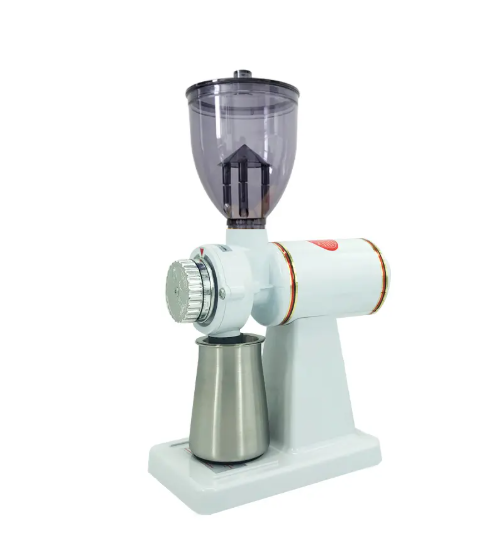
Proper coffee mill maintenance is essential for preserving the quality and performance of your grinding equipment. Whether you own a commercial-grade machine or a home electric grinder, regular upkeep ensures consistent particle size, prevents flavor contamination, and extends the lifespan of your investment. Understanding the fundamentals of coffee mill maintenance helps coffee enthusiasts and professionals maintain optimal brewing conditions while avoiding costly repairs and replacements.
The importance of systematic coffee mill maintenance cannot be overstated in today's competitive coffee industry. Professional baristas and coffee shop owners rely on properly maintained grinding equipment to deliver consistent results that meet customer expectations. Home coffee enthusiasts also benefit significantly from implementing structured maintenance routines that preserve their equipment's precision and reliability over time.
Essential Daily Cleaning Procedures
Hopper and Chamber Cleaning
Daily coffee mill maintenance begins with thorough cleaning of the bean hopper and grinding chamber. Remove all remaining coffee beans from the hopper and wipe down interior surfaces with a dry, lint-free cloth. This prevents oil buildup and removes residual particles that could affect future batches. Pay special attention to corners and crevices where coffee dust tends to accumulate throughout normal operation.
The grinding chamber requires careful attention during routine coffee mill maintenance procedures. After completing your daily grinding tasks, run the machine briefly without beans to expel remaining particles. Use a soft brush or compressed air to remove stubborn debris from hard-to-reach areas. Avoid using water or liquid cleaners on internal components unless specifically recommended by the manufacturer.
Burr Inspection and Basic Care
Burr inspection forms a critical component of effective coffee mill maintenance protocols. Examine both flat and conical burrs for signs of wear, damage, or excessive buildup. Sharp, well-maintained burrs produce uniform particle distribution and minimize heat generation during grinding. Look for chips, cracks, or unusual wear patterns that might indicate alignment issues or the need for professional service.
Regular burr cleaning prevents oil accumulation that can lead to rancid flavors and inconsistent grinding performance. Remove accessible burrs according to manufacturer instructions and clean them with appropriate tools. Some coffee mill maintenance experts recommend using specialized burr cleaning tablets that dissolve oils and remove microscopic particles without damaging the grinding surfaces.
Weekly Deep Cleaning Protocols
Comprehensive Disassembly Process
Weekly coffee mill maintenance involves more extensive disassembly and cleaning procedures. Begin by unplugging the machine and removing all removable components, including hoppers, adjusting rings, and accessible burr sets. Document the disassembly process with photos to ensure proper reassembly later. This methodical approach prevents confusion and ensures all components return to their correct positions.
Each removable component requires individual attention during comprehensive coffee mill maintenance sessions. Wash plastic and metal parts with warm, soapy water, ensuring complete removal of coffee oils and residue. Allow all components to dry thoroughly before reassembly to prevent moisture-related damage or bacterial growth. Replace any worn gaskets, seals, or small parts that show signs of deterioration.
Motor Housing and External Cleaning
The motor housing and external surfaces deserve equal attention during thorough coffee mill maintenance procedures. Use a slightly damp cloth to clean exterior surfaces, removing fingerprints, spills, and accumulated dust. Avoid allowing moisture to enter ventilation slots or electrical components. Pay particular attention to control buttons, displays, and adjustment mechanisms that receive frequent handling.
Proper ventilation maintenance ensures optimal motor performance and prevents overheating issues. Clean air intake and exhaust vents using compressed air or a soft brush to remove accumulated debris. Blocked ventilation can lead to reduced motor life and inconsistent grinding performance, making this aspect of coffee mill maintenance particularly important for commercial applications.
Calibration and Adjustment Procedures
Grind Size Verification
Accurate calibration represents a sophisticated aspect of professional coffee mill maintenance that directly impacts brewing quality. Use standardized particle size references to verify grind consistency across different settings. Document any deviations from expected results and adjust accordingly using manufacturer-specified procedures. This systematic approach ensures repeatable results and identifies potential mechanical issues before they become serious problems.
Regular calibration checks during coffee mill maintenance sessions help maintain consistent extraction rates and flavor profiles. Test multiple grind settings using identical coffee samples and compare results against established benchmarks. Record findings in a maintenance log to track performance trends and identify gradual changes that might indicate wear or misalignment issues requiring professional attention.
Burr Alignment Optimization
Proper burr alignment ensures uniform particle distribution and prevents excessive wear during operation. Coffee mill maintenance protocols should include regular alignment verification using appropriate measuring tools and techniques. Misaligned burrs produce inconsistent particle sizes and may generate excessive heat that degrades coffee quality and accelerates component wear.
Professional coffee mill maintenance often requires specialized tools and expertise to achieve optimal burr alignment. Consider investing in professional service for complex alignment procedures, especially for high-value commercial equipment. Document alignment settings and procedures to facilitate future maintenance and ensure consistent results across multiple service sessions.
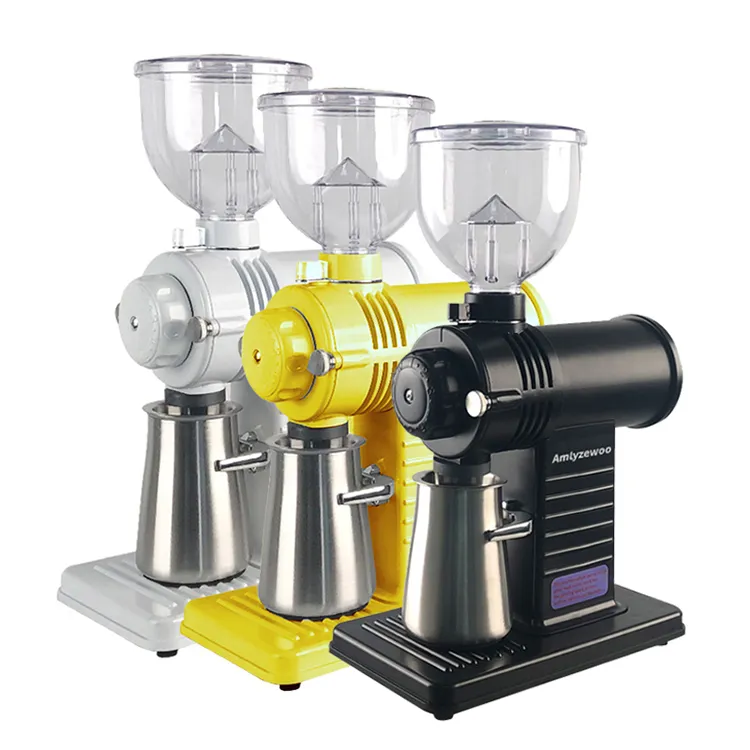
Troubleshooting Common Issues
Grinding Inconsistency Problems
Grinding inconsistency often indicates the need for immediate coffee mill maintenance intervention. Common causes include worn burrs, improper alignment, or accumulated debris interfering with normal operation. Systematic troubleshooting begins with thorough cleaning and inspection of all grinding components. Compare current performance against baseline measurements to quantify the extent of degradation.
Advanced troubleshooting during coffee mill maintenance may reveal subtle issues affecting grinding performance. Check for loose fasteners, worn bearings, or damaged drive components that could contribute to inconsistent results. Motor speed variations, unusual vibrations, or abnormal noise patterns often provide valuable diagnostic information for identifying root causes of performance problems.
Electrical and Mechanical Concerns
Electrical issues require careful attention during comprehensive coffee mill maintenance procedures. Check power connections, control switches, and safety interlocks for proper operation. Intermittent electrical problems can be challenging to diagnose but often manifest as inconsistent motor performance or unexpected shutdowns during operation. Always prioritize safety when investigating electrical concerns and consult qualified technicians when necessary.
Mechanical problems discovered during coffee mill maintenance range from simple adjustments to complex component replacements. Listen for unusual sounds, feel for excessive vibration, and observe any changes in normal operation patterns. Early detection of mechanical issues prevents minor problems from escalating into major failures that require extensive repairs or equipment replacement.
Preventive Maintenance Scheduling
Creating Maintenance Calendars
Effective coffee mill maintenance relies on systematic scheduling that ensures all necessary procedures occur at appropriate intervals. Develop comprehensive maintenance calendars that account for usage patterns, environmental conditions, and manufacturer recommendations. High-volume commercial applications require more frequent maintenance than occasional home use, but both benefit from consistent scheduling approaches.
Digital maintenance tracking systems enhance coffee mill maintenance efficiency by providing automated reminders and historical performance data. Record maintenance activities, component replacements, and performance observations to identify trends and optimize maintenance intervals. This data-driven approach improves maintenance effectiveness while reducing unnecessary service frequency and associated costs.
Seasonal Maintenance Considerations
Seasonal factors significantly influence coffee mill maintenance requirements in many environments. Humidity changes affect coffee bean characteristics and grinding performance, while temperature variations impact equipment operation and component expansion. Adjust maintenance procedures and frequencies to account for seasonal challenges that could affect grinding consistency and equipment reliability.
Climate-controlled environments reduce seasonal variations but still require adjusted coffee mill maintenance protocols during peak usage periods. Holiday seasons, special events, and promotional activities often increase equipment utilization beyond normal levels. Prepare for these periods with enhanced maintenance attention and backup equipment availability to ensure uninterrupted service quality.
Professional Service Integration
When to Seek Expert Help
Certain aspects of coffee mill maintenance require professional expertise and specialized tools beyond typical user capabilities. Complex calibration procedures, major component replacements, and electrical system repairs should be performed by qualified technicians familiar with specific equipment models. Recognize the limitations of routine maintenance and seek professional assistance when encountering issues beyond your technical comfort level.
Establishing relationships with qualified service providers enhances overall coffee mill maintenance effectiveness. Professional technicians provide valuable insights, identify potential problems early, and perform complex procedures that ensure optimal equipment performance. Regular professional inspections complement routine maintenance efforts and help prevent unexpected failures during critical periods.
Warranty and Service Agreements
Understanding warranty terms and service agreement provisions helps optimize coffee mill maintenance strategies while protecting equipment investments. Some maintenance activities may void warranties if performed incorrectly, while others may be required to maintain warranty coverage. Review documentation carefully and coordinate routine maintenance with warranty requirements to ensure continued protection.
Comprehensive service agreements often provide cost-effective solutions for complex coffee mill maintenance requirements. These agreements typically include regular professional inspections, priority service response, and discounted parts replacement costs. Evaluate service agreement benefits against internal maintenance capabilities to determine the most cost-effective approach for your specific situation and usage patterns.
FAQ
How often should I perform basic coffee mill maintenance
Basic coffee mill maintenance should be performed daily for commercial equipment and after every few uses for home machines. This includes emptying hoppers, wiping down surfaces, and checking for obvious wear or damage. Weekly deep cleaning sessions involve more extensive disassembly and component cleaning to prevent oil buildup and maintain optimal performance.
What are the signs that my coffee mill needs immediate maintenance attention
Several warning signs indicate urgent coffee mill maintenance needs, including inconsistent grind sizes, unusual noises during operation, excessive vibration, slower grinding speeds, or visible wear on burrs. Additionally, stale or off-flavors in ground coffee, frequent jamming, or electrical irregularities require immediate attention to prevent further damage and ensure safe operation.
Can I use water to clean internal components during coffee mill maintenance
Water should only be used on removable components that are explicitly designed for wet cleaning, such as hoppers and certain burr sets. Never apply water directly to motors, electrical components, or non-removable internal parts. Always consult manufacturer guidelines before using any liquid cleaning agents, and ensure complete drying before reassembly to prevent damage or safety hazards.
How do I know when burrs need replacement during routine coffee mill maintenance
Burr replacement becomes necessary when visual inspection reveals significant wear, chipping, or damage that affects grinding performance. Performance indicators include increasingly inconsistent particle sizes, longer grinding times for similar quantities, excessive heat generation, or the inability to achieve desired grind settings. Professional assessment can provide definitive guidance on burr condition and replacement timing.