
 EN
EN



Selecting the right coffee mill is crucial for achieving the perfect cup of coffee every morning. A quality coffee mill transforms whole beans into consistently ground particles that unlock the full flavor potential of your favorite coffee varieties. Whether you're a casual coffee drinker or a serious enthusiast, understanding the key features and specifications of different coffee mill models will help you make an informed purchasing decision that enhances your daily brewing experience.
Understanding Coffee Mill Types and Mechanisms
Blade Coffee Mills vs Burr Coffee Mills
The fundamental distinction between coffee mill designs lies in their grinding mechanisms. Blade coffee mills use spinning blades to chop coffee beans into smaller pieces, creating an inconsistent particle size distribution. While affordable and widely available, blade mills often produce uneven grounds that can lead to over-extraction of smaller particles and under-extraction of larger ones. This inconsistency directly impacts the flavor balance and overall quality of your brewed coffee.
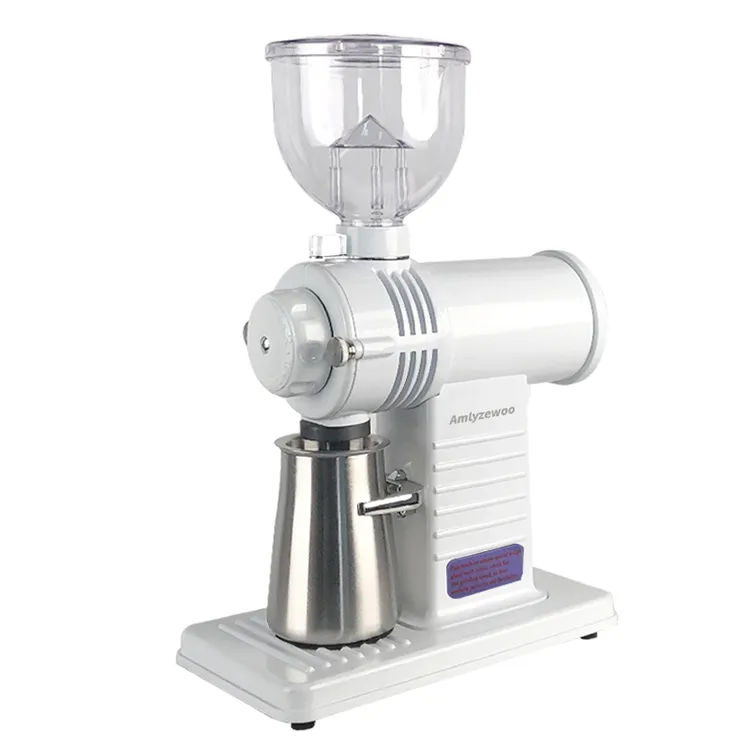
Burr coffee mills represent the superior grinding technology, utilizing two revolving abrasive surfaces to crush beans uniformly. The precise gap between burrs determines the grind size, ensuring consistent particle distribution that optimizes extraction during brewing. Professional baristas and coffee connoisseurs universally prefer burr coffee mills because they maintain the integrity of coffee oils and aromatics while producing uniform grounds suitable for any brewing method.
Electric vs Manual Coffee Mill Options
Electric coffee mills offer convenience and speed, making them ideal for daily use in busy households or commercial environments. Modern electric models feature programmable settings, timer controls, and various speed options that streamline the grinding process. These automated features ensure consistent results while minimizing the physical effort required to prepare fresh coffee grounds.
Manual coffee mills provide greater control over the grinding process and operate silently without electrical power requirements. Hand-crank models appeal to camping enthusiasts, travelers, and purists who enjoy the tactile experience of grinding their own beans. While manual operation requires more time and effort, many users appreciate the meditative quality of hand-grinding and the ability to adjust pressure and speed according to personal preferences.
Essential Features to Consider When Selecting a Coffee Mill
Grind Size Adjustment Capabilities
Versatility in grind size adjustment distinguishes premium coffee mill models from basic alternatives. A quality coffee mill should offer multiple grind settings ranging from coarse French press grounds to fine espresso powder. Step-less adjustment systems provide infinite grind size control, allowing precise calibration for specific brewing methods and personal taste preferences.
Consider your primary brewing methods when evaluating grind adjustment features. Espresso enthusiasts require fine adjustment capabilities for dialing in shot parameters, while pour-over coffee lovers need medium-fine consistency. A versatile coffee mill with comprehensive grind settings accommodates multiple brewing styles and allows experimentation with different extraction techniques throughout your coffee journey.
Capacity and Build Quality Considerations
Bean hopper capacity directly influences the convenience and efficiency of your daily coffee preparation routine. Larger hoppers accommodate multiple days' worth of beans, reducing the frequency of refilling while maintaining freshness through airtight storage compartments. However, storing beans in the hopper for extended periods can compromise flavor quality, so consider your consumption patterns when selecting appropriate capacity.
Construction materials significantly impact the longevity and performance of your coffee mill investment. Stainless steel components resist corrosion and maintain precision over time, while ceramic burrs offer excellent durability without imparting metallic flavors. Premium coffee mill models feature reinforced housing, sealed bearings, and high-quality motors that ensure consistent performance through years of regular use.
Performance Factors That Impact Coffee Quality
Heat Generation and Bean Preservation
Excessive heat generation during grinding can damage delicate coffee oils and volatile compounds that contribute to flavor complexity. High-speed coffee mill motors generate friction heat that can alter the chemical composition of freshly ground beans, resulting in bitter or burnt taste notes. Quality coffee mill designs incorporate heat dissipation features and optimal grinding speeds that minimize thermal damage while maintaining efficient processing times.
Temperature-sensitive coffee compounds begin degrading at relatively low temperatures, making heat control a critical consideration for serious coffee enthusiasts. Some premium coffee mill models include cooling mechanisms or thermal regulation systems that maintain optimal grinding temperatures. Understanding these thermal dynamics helps you select a coffee mill that preserves the full spectrum of flavors present in your favorite coffee varieties.
Noise Levels and User Experience
Operational noise levels vary significantly between different coffee mill models and can impact your daily routine, especially during early morning preparation. High-quality burr coffee mills typically operate more quietly than blade alternatives due to their lower rotational speeds and superior engineering. Consider noise levels if you live in apartments, have sleeping family members, or prefer peaceful morning coffee rituals.
User interface design and control accessibility contribute to the overall coffee mill experience. Intuitive controls, clear grind size indicators, and easy-to-clean components enhance daily usability and encourage consistent maintenance practices. Ergonomic considerations such as comfortable grip surfaces, stable base design, and convenient cord storage improve the practical aspects of operating your coffee mill regularly.
Maintenance and Longevity Considerations
Cleaning Requirements and Procedures
Regular cleaning maintains optimal performance and prevents oil buildup that can create rancid flavors in freshly ground coffee. Different coffee mill designs require specific cleaning approaches, with some models featuring removable components that facilitate thorough washing and sanitization. Understanding the maintenance requirements before purchase ensures you can properly care for your investment and maintain consistent grinding quality.
Professional-grade coffee mill models often include specialized cleaning features such as purging capabilities, removable burr sets, and easy-access grinding chambers. These design elements simplify routine maintenance and reduce the time required for deep cleaning procedures. Investing in a coffee mill with user-friendly maintenance features encourages regular upkeep and extends the operational lifespan of your equipment.
Replacement Parts and Service Support
Long-term ownership costs include replacement parts such as burrs, motors, and housing components that may require periodic replacement. Reputable coffee mill manufacturers provide comprehensive parts availability and technical support services that ensure continued operation even after years of regular use. Research parts availability and warranty coverage before making your final purchasing decision.
Service network accessibility varies between manufacturers and can significantly impact your ability to maintain optimal coffee mill performance. Local service centers, authorized repair facilities, and manufacturer support programs provide valuable resources for troubleshooting issues and obtaining professional maintenance services when needed. Consider these support factors as part of your total cost of ownership calculation.
Budget Considerations and Value Assessment
Entry-Level vs Premium Coffee Mill Options
Entry-level coffee mill models provide basic grinding functionality at accessible price points, making them suitable for casual coffee drinkers or those new to home brewing. While these models may lack advanced features and premium construction materials, they offer significant improvements over pre-ground coffee and serve as excellent stepping stones into specialty coffee preparation.
Premium coffee mill investments deliver superior consistency, durability, and advanced features that justify higher initial costs through improved performance and longevity. Professional-grade models incorporate precision engineering, high-quality materials, and sophisticated control systems that enhance every aspect of the grinding experience. Serious coffee enthusiasts often find that premium coffee mill performance directly translates to better-tasting coffee and greater brewing satisfaction.
Total Cost of Ownership Analysis
Evaluating the true cost of coffee mill ownership extends beyond initial purchase price to include maintenance expenses, replacement parts, energy consumption, and performance lifespan. Higher-quality models typically offer better value propositions through reduced maintenance requirements, longer operational life, and consistent performance that eliminates the need for frequent upgrades or replacements.
Consider your coffee consumption patterns and brewing frequency when calculating cost-per-use metrics for different coffee mill options. Daily users benefit from investing in robust, high-capacity models that handle frequent operation without performance degradation. Occasional users may find excellent value in mid-range coffee mill models that balance performance capabilities with reasonable pricing structures.
FAQ
How often should I clean my coffee mill
Clean your coffee mill after every 20-30 uses or weekly for daily users. Remove residual grounds and oils using appropriate cleaning methods for your specific model. Deep cleaning should occur monthly, involving disassembly of removable parts and thorough sanitization to maintain optimal performance and prevent flavor contamination.
What grind size works best for different brewing methods
Coarse grinds suit French press and cold brew methods, medium grinds work well for drip coffee makers and pour-over techniques, and fine grinds are essential for espresso preparation. Your coffee mill should offer adjustment capabilities that accommodate your preferred brewing styles while allowing experimentation with different extraction parameters.
Can I grind spices in my coffee mill
Avoid grinding spices in your dedicated coffee mill as strong flavors and oils can contaminate future coffee batches. Spice grinding requires different blade configurations and cleaning procedures that may damage coffee mill components designed specifically for coffee beans. Consider purchasing a separate spice grinder for non-coffee applications.
How do I know when to replace my coffee mill burrs
Replace burrs when you notice inconsistent grind sizes, increased grinding time, or metallic particles in your grounds. Most burr sets last 500-1000 pounds of coffee processing, depending on usage patterns and bean hardness. Regular inspection and performance monitoring help determine optimal replacement timing to maintain grinding quality and prevent equipment damage.