
 EN
EN



Selecting the perfect coffee mill for your brewing needs has become increasingly important as coffee enthusiasts demand precision and consistency in their daily cup. The modern coffee mill represents a crucial investment that directly impacts flavor extraction, grinding uniformity, and overall brewing success. Understanding the nuances of different coffee mill designs and capabilities helps discerning coffee lovers make informed decisions that enhance their entire coffee experience.
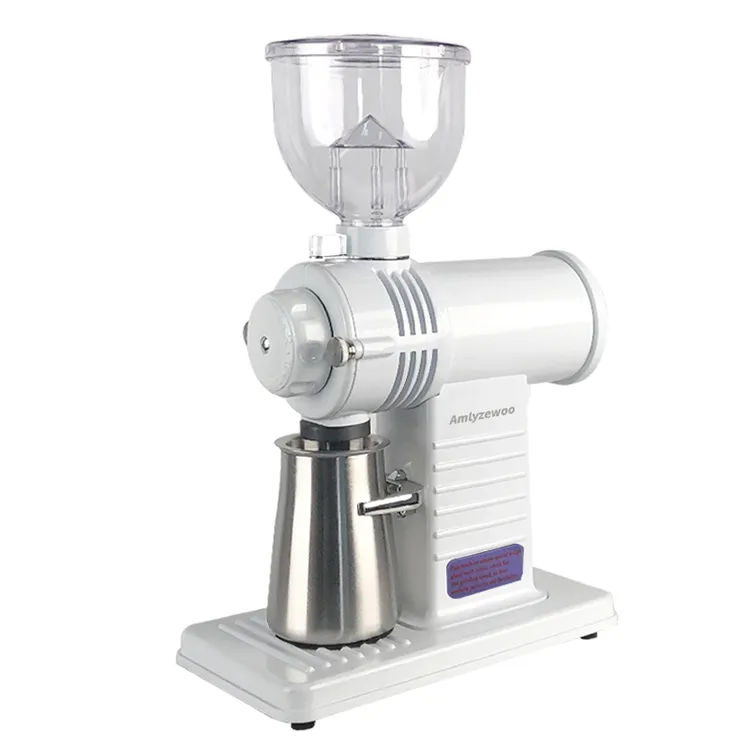
Today's coffee mill market offers unprecedented variety in terms of grinding mechanisms, build quality, and specialized features designed for different brewing methods. Professional baristas and home brewing enthusiasts alike recognize that a quality coffee mill serves as the foundation for exceptional coffee preparation. The difference between a mediocre and exceptional coffee mill often determines whether your expensive specialty beans reach their full flavor potential or fall short of expectations.
Coffee mill technology has evolved significantly over recent years, incorporating advanced materials, precision engineering, and user-friendly features that make consistent grinding accessible to everyone. From traditional blade designs to sophisticated burr mechanisms, each coffee mill category serves specific needs and brewing preferences. Understanding these distinctions ensures you invest in equipment that aligns perfectly with your coffee preparation habits and quality expectations.
Understanding Coffee Mill Grinding Mechanisms
Burr Grinding Technology
Burr grinding represents the gold standard in coffee mill design, utilizing two revolving abrasive surfaces to crush coffee beans uniformly. This coffee mill approach creates consistent particle sizes that extract evenly during brewing, resulting in balanced flavor profiles without the bitterness associated with uneven extraction. Professional coffee mill manufacturers increasingly favor burr mechanisms because they generate minimal heat during grinding, preserving delicate aromatic compounds that define premium coffee experiences.
The superior consistency achieved by burr coffee mill designs makes them particularly valuable for espresso preparation, where particle uniformity directly impacts extraction pressure and crema formation. Unlike blade grinders that chop beans randomly, a quality burr coffee mill produces particles within narrow size tolerances that professional baristas depend upon. This precision allows coffee enthusiasts to dial in their grinding parameters with confidence, knowing their coffee mill will deliver repeatable results session after session.
Blade Coffee Mill Considerations
Blade coffee mill designs offer affordability and simplicity, making them popular entry-level options for casual coffee drinkers. These coffee mill units utilize rotating blades that chop beans through rapid spinning motion, creating a range of particle sizes that work adequately for drip brewing methods. However, blade coffee mill mechanisms generate more heat and produce less uniform results compared to their burr counterparts, limiting their effectiveness for precision brewing techniques.
Modern blade coffee mill manufacturers have improved designs to minimize heat generation and enhance grinding consistency through better blade geometry and motor control. While a blade coffee mill may not satisfy serious espresso enthusiasts, these units serve households seeking convenient, budget-friendly grinding solutions. Understanding the limitations and appropriate applications of blade coffee mill technology helps consumers set realistic expectations and choose equipment suited to their brewing habits.
Premium Coffee Mill Features and Construction
Build Quality and Durability
Premium coffee mill construction emphasizes robust materials and precision engineering that ensure years of reliable service under demanding conditions. High-end coffee mill manufacturers utilize hardened steel burrs, reinforced motor housings, and commercial-grade components that withstand frequent use without degradation. The investment in quality coffee mill construction pays dividends through consistent performance, reduced maintenance requirements, and extended operational lifespan that justifies higher initial costs.
Professional coffee mill designs incorporate features like sealed bearings, thermal protection, and vibration dampening that enhance operational smoothness and longevity. These engineering refinements distinguish premium coffee mill options from budget alternatives, delivering the reliability that serious coffee enthusiasts demand. A well-constructed coffee mill maintains grinding precision throughout its service life, ensuring consistent results regardless of usage intensity.
Advanced Control Systems
Modern coffee mill designs incorporate sophisticated control systems that provide precise adjustment capabilities and user-friendly operation. Digital displays, programmable settings, and stepless adjustment mechanisms allow coffee mill users to fine-tune grinding parameters with unprecedented accuracy. These advanced coffee mill features eliminate guesswork from the grinding process, enabling repeatable results that satisfy the most discriminating palates.
Timer-based dosing systems represent another significant advancement in coffee mill technology, automatically stopping the grinding process after predetermined intervals. This coffee mill feature ensures consistent dose weights while preventing over-grinding that can compromise flavor quality. Professional-grade coffee mill units often include multiple preset options that accommodate different brewing methods and personal preferences, streamlining daily coffee preparation routines without sacrificing quality or precision.
Coffee Mill Selection for Different Brewing Methods
Espresso Grinding Requirements
Espresso preparation demands the highest level of grinding precision, making coffee mill selection critical for achieving optimal extraction results. The fine particle size required for espresso brewing requires a coffee mill capable of producing uniform grinds within extremely tight tolerances. Inconsistent grinding from an inadequate coffee mill leads to channeling, uneven extraction, and disappointing espresso quality that wastes premium coffee beans.
Professional espresso coffee mill designs feature specialized burr configurations optimized for fine grinding with minimal heat generation. These coffee mill units maintain particle uniformity even at fine settings, enabling consistent extraction pressure and proper crema formation. The investment in a quality espresso coffee mill proves essential for home baristas serious about replicating cafe-quality results in their kitchen environment.
Filter Coffee Optimization
Filter coffee brewing methods benefit from medium-coarse grinding that promotes balanced extraction without over-extraction bitterness. A versatile coffee mill suited for filter brewing should provide reliable performance across a range of particle sizes while maintaining consistency batch after batch. Pour-over enthusiasts particularly value coffee mill designs that offer precise control over grinding parameters, allowing experimentation with different extraction variables.
The ideal filter coffee mill combines grinding consistency with operational convenience, featuring easy-to-use controls and reliable dosing mechanisms. Many coffee mill manufacturers now offer specialized settings or recommended parameters for popular brewing methods, simplifying the selection process for home brewers. A quality filter coffee mill enables coffee enthusiasts to explore different brewing techniques while maintaining the grinding precision necessary for optimal flavor extraction.
Maintenance and Care for Coffee Mill Longevity
Regular Cleaning Protocols
Proper maintenance significantly extends coffee mill lifespan while ensuring consistent grinding performance throughout years of operation. Regular cleaning removes coffee oils and residue that accumulate during normal use, preventing rancidity and off-flavors that compromise coffee quality. A well-maintained coffee mill continues delivering optimal results while minimizing the risk of mechanical problems that require expensive repairs or replacement.
Daily coffee mill maintenance involves emptying the hopper and grinding chamber, wiping down exterior surfaces, and checking for loose components. Weekly deep cleaning should include disassembling accessible parts, thoroughly cleaning burrs or blades, and lubricating moving components according to manufacturer specifications. This proactive coffee mill care prevents common issues while maintaining the precision that distinguishes quality equipment from budget alternatives.
Calibration and Adjustment
Maintaining accurate coffee mill calibration ensures consistent grinding results and optimal flavor extraction over time. Periodic calibration checks verify that grinding settings correspond to expected particle sizes, allowing users to make necessary adjustments before quality degradation becomes noticeable. A properly calibrated coffee mill provides confidence in brewing parameters and eliminates variables that might compromise coffee preparation consistency.
Professional coffee mill servicing may be required periodically to address calibration drift or mechanical wear that affects grinding precision. Many manufacturers offer calibration services or detailed instructions for DIY adjustments that restore optimal performance. Understanding your coffee mill calibration requirements and maintaining proper adjustment protocols protects your investment while ensuring continued satisfaction with grinding quality.
Economic Considerations and Value Analysis
Investment vs Performance Balance
Coffee mill pricing varies dramatically across different categories, from basic blade units to professional-grade burr grinders costing thousands of dollars. Understanding the relationship between price and performance helps consumers identify coffee mill options that provide optimal value for their specific needs and budgets. The key lies in matching coffee mill capabilities with actual usage patterns rather than purchasing excessive capacity that goes unused.
A quality mid-range coffee mill often provides excellent performance for home use without the premium pricing associated with commercial equipment. These coffee mill options balance essential features with reasonable costs, delivering grinding consistency that satisfies serious coffee enthusiasts without breaking household budgets. Careful coffee mill evaluation based on actual brewing habits ensures wise investment decisions that enhance coffee experiences without unnecessary expense.
Long-term Cost Considerations
Beyond initial purchase price, coffee mill ownership involves ongoing costs including maintenance, replacement parts, and potential repairs that affect total cost of ownership. Higher-quality coffee mill designs typically offer better parts availability and longer service life, potentially providing superior value despite higher upfront costs. Understanding these long-term coffee mill economics helps consumers make informed decisions that consider total ownership expenses.
Energy consumption represents another economic factor in coffee mill selection, particularly for high-volume users who grind coffee multiple times daily. Efficient coffee mill designs minimize power consumption while maintaining grinding performance, reducing operational costs over time. Additionally, a reliable coffee mill reduces waste by consistently producing optimal grinds that maximize coffee bean utilization and minimize brewing failures that waste expensive specialty coffee.
FAQ
How often should I clean my coffee mill
Regular coffee mill cleaning should occur daily through basic maintenance like emptying the hopper and wiping exterior surfaces, while deep cleaning involving burr removal and thorough washing should happen weekly for frequent users or monthly for occasional users. This maintenance schedule prevents oil buildup and residue accumulation that can affect grinding consistency and coffee flavor quality.
What grind size works best for different brewing methods
Coffee mill grind size selection depends on brewing method, with espresso requiring fine grinds, pour-over and drip coffee using medium grinds, and French press needing coarse grinds. The optimal coffee mill setting may require experimentation based on specific equipment and personal taste preferences, but starting with manufacturer recommendations provides a solid foundation for achieving excellent results.
Can I use the same coffee mill for different brewing methods
A versatile coffee mill with adjustable grinding settings can accommodate multiple brewing methods, though frequent adjustment between extreme settings may affect calibration accuracy over time. Many coffee mill users find success dedicating specific equipment to particular brewing methods, especially when preparing espresso alongside filter coffee, to maintain optimal grinding precision for each application.
How do I know when my coffee mill needs replacement
Coffee mill replacement becomes necessary when grinding consistency deteriorates noticeably, unusual noises develop during operation, or repair costs approach the price of new equipment. Additionally, if your coffee mill can no longer achieve desired grind sizes or produces excessive heat during grinding, these symptoms indicate that replacement may provide better value than continued repairs and maintenance efforts.