
 EN
EN



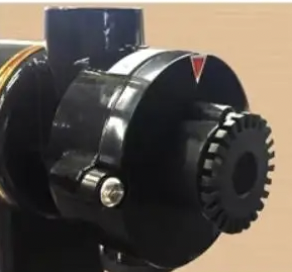
Maintaining consistent grind quality is essential for extracting the perfect cup of coffee, but many coffee enthusiasts overlook the critical importance of regular coffee grinder calibration. The frequency of recalibration depends on several factors including usage volume, grinder type, and the precision requirements of your brewing method. Understanding when and how often to recalibrate your coffee grinder can dramatically improve your coffee's taste profile and ensure optimal extraction performance.
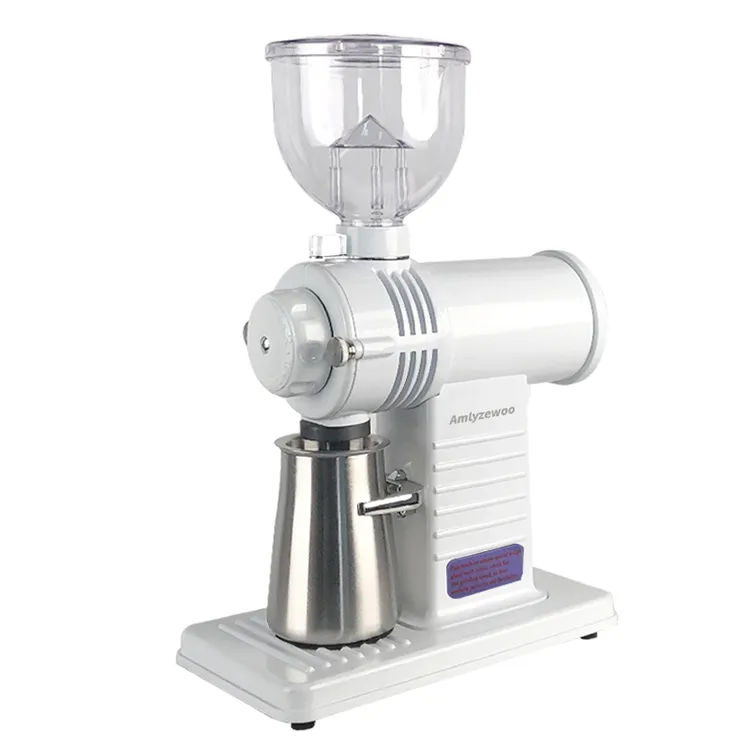
Professional baristas and serious home brewers recognize that coffee grinder calibration frequency directly impacts extraction consistency and flavor development. A properly calibrated grinder maintains precise particle size distribution, which is fundamental to achieving balanced extraction rates across different brewing methods. The calibration schedule varies significantly based on grinder design, daily usage patterns, and the specific coffee preparation techniques you employ regularly.
Understanding Coffee Grinder Calibration Requirements
Daily Usage Impact on Calibration Needs
Heavy daily usage accelerates the need for coffee grinder calibration adjustments due to burr wear and mechanical settling. Commercial establishments processing hundreds of shots daily typically require calibration checks every 24-48 hours to maintain consistent grind quality. Home users grinding 2-4 shots per day can usually maintain proper calibration for 7-10 days, though this timeline varies based on bean hardness and grinder quality.
The grinding mechanism experiences microscopic changes during operation that gradually affect particle size distribution. These changes accumulate over time, requiring periodic coffee grinder calibration to compensate for mechanical drift. Environmental factors such as humidity and temperature fluctuations also influence grinder performance, making regular calibration essential for maintaining brewing consistency.
Grinder Type and Calibration Frequency
Burr grinders require different coffee grinder calibration schedules compared to blade grinders due to their distinct grinding mechanisms. Flat burr grinders typically need recalibration every 5-7 days under moderate home use, while conical burr grinders may maintain calibration for 7-14 days due to their more stable grinding geometry. High-end commercial grinders with precision adjustment mechanisms may require daily calibration checks to ensure optimal performance.
Electric adjustable grinders with stepped adjustment systems provide more consistent calibration retention compared to stepless models. The calibration stability depends on the mechanical precision of the adjustment mechanism and the quality of internal components. Understanding your specific grinder's calibration characteristics helps establish an appropriate maintenance schedule for optimal coffee preparation.
Factors Determining Calibration Frequency
Bean Characteristics and Grinder Wear
Different coffee bean densities and roast levels affect how quickly your grinder loses its coffee grinder calibration settings. Light roasted beans are denser and harder, causing more wear on grinding burrs and requiring more frequent calibration adjustments. Dark roasted beans are more brittle and oils can accumulate on grinding surfaces, affecting particle size consistency and necessitating more regular calibration maintenance.
Single-origin beans with consistent density profiles help maintain calibration longer than blends with varying bean characteristics. Oily beans from darker roasts can cause burr slippage and inconsistent grinding performance, requiring more frequent coffee grinder calibration to compensate for these variables. The origin and processing method of your coffee beans directly influence how often calibration adjustments become necessary.
Brewing Method Precision Requirements
Espresso preparation demands the most frequent coffee grinder calibration due to its sensitivity to particle size variations. Even minor calibration drift can result in significant extraction time changes and flavor profile shifts. Espresso grinders typically need recalibration every 2-3 days under regular home use, or even daily in commercial settings where consistency is paramount.
Pour-over and drip brewing methods are more forgiving of slight calibration variations, allowing for longer intervals between adjustments. French press and cold brew preparations can tolerate even greater calibration drift due to their coarser grind requirements and longer extraction times. Understanding your primary brewing method's tolerance for grind variation helps determine optimal coffee grinder calibration frequency.
Establishing Your Calibration Schedule
Creating a Monitoring System
Developing a systematic approach to coffee grinder calibration monitoring ensures consistent brewing results over time. Keep detailed records of extraction times, grind settings, and taste notes to identify patterns that indicate when calibration adjustments are needed. Digital scales and timer measurements provide objective data for tracking grinder performance consistency.
Visual inspection of ground coffee particles helps identify calibration drift before it significantly impacts brewing quality. Consistent particle size distribution indicates proper calibration, while increasing fines production or uneven particle sizes suggest the need for recalibration. Regular taste testing provides the ultimate confirmation of whether your coffee grinder calibration remains optimal.
Seasonal and Environmental Considerations
Environmental changes significantly affect coffee grinder calibration stability throughout the year. Humidity variations cause coffee beans to absorb or release moisture, altering their grinding characteristics and requiring calibration adjustments. Temperature fluctuations can cause metal components to expand or contract, affecting burr alignment and grinding consistency.
Seasonal bean availability also influences calibration frequency as different harvest origins and processing methods require specific grind adjustments. Tracking environmental conditions alongside your coffee grinder calibration schedule helps predict when adjustments become necessary. Air conditioning, heating systems, and seasonal weather patterns all contribute to calibration drift patterns.
Optimizing Long-term Grinder Performance
Preventive Maintenance Integration
Regular cleaning and maintenance routines support stable coffee grinder calibration between adjustment periods. Weekly deep cleaning removes oil residue and coffee particle buildup that can affect grinding consistency. Burr alignment checks during cleaning sessions help identify mechanical issues before they require major calibration corrections.
Lubrication of moving parts according to manufacturer specifications prevents mechanical wear that accelerates calibration drift. Quality replacement parts and professional servicing maintain grinder precision over extended periods. Investing in proper maintenance reduces the frequency of major coffee grinder calibration adjustments while extending equipment lifespan.
Performance Optimization Strategies
Temperature management strategies help maintain consistent coffee grinder calibration by minimizing thermal expansion effects. Allowing grinders to warm up before use and avoiding rapid temperature changes supports calibration stability. Some professional setups include temperature monitoring to predict when calibration adjustments become necessary due to thermal drift.
Consistent bean storage conditions reduce variables that affect grinding performance and calibration requirements. Proper humidity control and temperature-stable storage minimize bean density variations that require frequent calibration adjustments. Professional coffee preparation facilities often implement comprehensive environmental controls to extend coffee grinder calibration intervals.
FAQ
How can I tell when my coffee grinder needs recalibration?
Signs that indicate the need for coffee grinder calibration include inconsistent extraction times, changes in coffee taste despite using the same beans and recipe, visible particle size variations in ground coffee, and difficulty achieving desired brewing ratios. If your espresso shots pull significantly faster or slower than usual, or if your pour-over brews taste under or over-extracted, these are clear indicators that calibration adjustment is required.
Does the age of my grinder affect how often I need to recalibrate?
Older grinders typically require more frequent coffee grinder calibration due to accumulated wear in mechanical components, burr dulling, and loosening of adjustment mechanisms. Newer grinders with precision engineering and quality materials maintain calibration longer, but even high-end equipment requires regular adjustment. The key is understanding your specific grinder's calibration drift patterns and adjusting the maintenance schedule accordingly.
Can I use the same calibration schedule for different coffee beans?
Different coffee beans may require adjusted coffee grinder calibration schedules based on their density, oil content, and roast level. Light roasted, dense beans typically maintain consistent grinding characteristics longer than oily, dark roasted varieties. When switching between different bean types regularly, monitor extraction performance closely and adjust calibration frequency based on how each coffee type affects your grinder's performance consistency.
Should I recalibrate immediately after cleaning my grinder?
After thorough cleaning, coffee grinder calibration should be verified and adjusted if necessary, as cleaning can affect burr alignment and internal component positioning. However, allow the grinder to process a small amount of coffee beans to season the burrs and stabilize performance before making final calibration adjustments. This seasoning process helps ensure that calibration settings represent normal operating conditions rather than the immediate post-cleaning state.