
 EN
EN



Proper coffee bean storage is crucial for maintaining your coffee grinder's performance and preventing the accumulation of oils that can damage grinding mechanisms and affect flavor quality. When coffee beans are stored incorrectly, they release excessive oils that create sticky residues inside your coffee grinder, leading to clogged burrs, inconsistent grinding, and potential mechanical failures that require costly repairs or replacements.
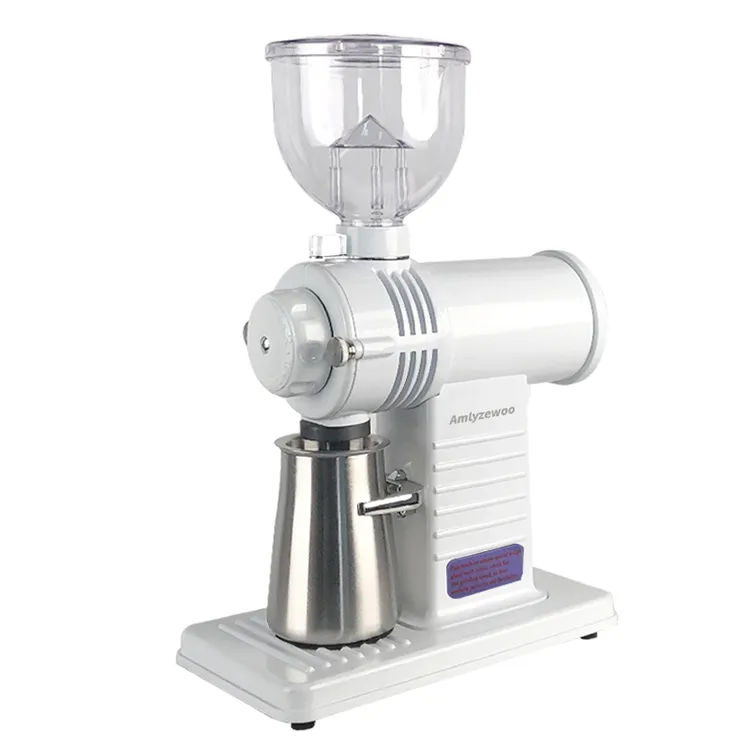
The relationship between coffee bean storage and coffee grinder maintenance extends beyond simple cleanliness concerns, as improper storage practices can significantly reduce the lifespan of grinding equipment while compromising the consistency and quality of ground coffee. Understanding how to store coffee beans effectively protects your investment in grinding equipment and ensures optimal brewing results for years to come.
Understanding Oil Buildup in Coffee Grinders
How Coffee Bean Oils Affect Grinder Performance
Coffee beans naturally contain oils that become more prominent as beans age or are exposed to improper storage conditions such as heat, light, and air. These oils migrate to the surface of beans and transfer directly to your coffee grinder during the grinding process, creating sticky deposits on burrs, grinding chambers, and internal mechanisms.
When oil buildup occurs in your coffee grinder, it attracts coffee particles and creates compacted residue that interferes with proper grinding action. This accumulation leads to uneven particle sizes, reduced grinding efficiency, and increased wear on motor components as the grinder works harder to process beans through oil-coated mechanisms.
Fresh beans with properly maintained oil levels produce cleaner grinding experiences, while aged or improperly stored beans create excessive oil transfer that requires frequent cleaning and maintenance of your coffee grinder to maintain optimal performance standards.
Signs of Oil Contamination in Coffee Grinders
Visible oil buildup in your coffee grinder appears as dark, sticky residue on grinding surfaces, particularly around burr assemblies and in grinding chambers where bean contact is most intensive. This residue often has a rancid or bitter odor that indicates oil degradation and potential flavor contamination of freshly ground coffee.
Performance indicators of oil contamination include slower grinding speeds, inconsistent particle sizes, unusual grinding noises, and increased heat generation during operation. Your coffee grinder may also exhibit clogging issues where ground coffee sticks to internal surfaces rather than flowing freely through discharge mechanisms.
Advanced oil contamination can cause mechanical problems such as burr misalignment, motor strain, and premature wear of grinding components, requiring professional servicing or replacement of your coffee grinder to restore proper functionality and grinding precision.
Optimal Storage Conditions for Coffee Beans
Temperature Control and Environmental Factors
Storing coffee beans at consistent room temperature between 60-70°F prevents oil migration to bean surfaces that occurs when beans are exposed to temperature fluctuations or excessive heat. Avoid storing beans near heat sources, direct sunlight, or in areas with significant temperature variations that accelerate oil release and degradation.
Humidity control is equally important for maintaining bean integrity and preventing oil buildup in your coffee grinder, as excess moisture causes beans to release oils prematurely while creating conditions for mold growth and flavor deterioration. Maintain storage areas with relative humidity levels below 60% to preserve bean quality and minimize oil-related grinding issues.
Proper ventilation in storage areas prevents moisture accumulation and maintains stable environmental conditions that keep coffee beans in optimal condition for grinding. Poor ventilation creates microclimates that accelerate bean aging and increase oil production, leading to more frequent cleaning requirements for your coffee grinder.
Container Selection and Sealing Methods
Airtight containers made from non-reactive materials such as stainless steel, ceramic, or BPA-free plastic provide the best protection against oxidation and oil degradation that affects both bean quality and coffee grinder performance. These containers prevent air exposure that causes oils to become rancid and create sticky residues during grinding.
Vacuum-sealed storage systems remove oxygen that accelerates oil oxidation and bean degradation, extending storage life while maintaining the fresh characteristics that produce clean grinding in your coffee grinder. Regular vacuum sealing every few days helps maintain optimal storage conditions as beans naturally release small amounts of CO2.
Glass containers with tight-fitting lids offer visibility for monitoring bean condition while providing excellent barrier properties against moisture and air infiltration. However, store glass containers in dark locations to prevent light exposure that breaks down oils and creates compounds that can gum up your coffee grinder mechanisms.
Storage Duration and Bean Freshness Management
Optimal Storage Timeframes
Coffee beans maintain peak freshness and minimal oil production for 2-4 weeks after roasting when stored properly, making this the ideal timeframe for consumption to prevent oil buildup in your coffee grinder. Beyond this period, beans begin releasing more surface oils that create grinding challenges and require more frequent equipment cleaning.
Purchase coffee beans in quantities that can be consumed within the optimal freshness window, typically 1-2 pounds for regular coffee drinkers, to ensure beans retain their quality characteristics and don't develop excessive oils that contaminate your coffee grinder during processing.
Track roast dates and storage times to rotate bean inventory and use older beans first, preventing the accumulation of aged beans that produce higher oil levels and create more significant cleaning challenges for your coffee grinder maintenance routine.
Signs of Bean Deterioration
Visual inspection reveals bean deterioration through increased surface sheen from migrated oils, darkening of bean color, and the presence of oily residue on storage container surfaces. These indicators suggest beans will create more oil transfer to your coffee grinder during grinding operations.
Aromatic changes indicate bean aging and increased oil production, with fresh beans maintaining bright, complex aromas while aged beans develop flat, stale, or rancid odors that signal oil degradation. Grinding aged beans in your coffee grinder often produces noticeably different aromas and may leave lingering odors in grinding equipment.
Texture changes such as increased brittleness or surface stickiness indicate oil migration and bean aging that will impact grinding performance and increase maintenance requirements for your coffee grinder. Fresh beans should feel firm and dry without oily residue transferring to handling surfaces.
Preventive Maintenance and Cleaning Strategies
Regular Cleaning Schedules
Implement weekly cleaning routines for your coffee grinder when using properly stored beans, increasing frequency to every 3-4 days when grinding older beans or beans showing signs of increased oil content. Consistent cleaning prevents oil accumulation from becoming embedded in grinding mechanisms.
Daily maintenance includes wiping external surfaces and emptying grinding chambers completely after each use to prevent oil residue from hardening overnight. This simple practice significantly reduces the workload during thorough cleaning sessions and maintains optimal performance of your coffee grinder.
Monthly deep cleaning involves complete disassembly of removable components, thorough washing with appropriate cleaning solutions, and careful inspection of internal mechanisms for oil buildup signs. Regular deep cleaning extends the operational life of your coffee grinder and maintains grinding consistency.
Cleaning Techniques and Products
Use specialized coffee grinder cleaning tablets or powders designed to break down oil residues without damaging grinding mechanisms or leaving chemical residues that affect coffee flavor. These products are formulated to dissolve coffee oils effectively while being safe for food contact surfaces.
Manual cleaning with warm water and mild dish soap works effectively for removable components, followed by thorough rinsing and complete drying before reassembly. Avoid harsh chemicals or abrasive cleaners that can damage grinding surfaces or leave residues that contaminate future batches.
Dry cleaning methods using uncooked rice or specialized cleaning pellets help remove oil residues from internal mechanisms that cannot be disassembled easily. Run these cleaning materials through your coffee grinder according to manufacturer instructions, followed by several cycles of grinding sacrificial beans to remove any cleaning material residue.
Long-term Equipment Protection
Storage Impact on Grinder Longevity
Proper bean storage practices can extend coffee grinder lifespan by 30-50% compared to using improperly stored beans that create excessive oil buildup and accelerate component wear. This translates to significant cost savings over time and more consistent grinding performance throughout the equipment's operational life.
Reduced oil exposure minimizes corrosion risks in metal components and prevents oil polymerization that can permanently bond to grinding surfaces, requiring expensive replacement of burrs or entire grinding assemblies. Preventive storage practices protect these critical components from premature failure.
Consistent grinding loads resulting from properly stored beans reduce motor strain and heat generation in your coffee grinder, preventing electrical component failures and maintaining optimal grinding speeds throughout the equipment's service life.
Cost-Benefit Analysis of Proper Storage
Investment in proper storage containers, typically ranging from $20-100 depending on capacity and features, pays for itself within months through reduced cleaning time, extended bean freshness, and decreased maintenance costs for your coffee grinder equipment.
Calculate the value of preserved coffee quality and reduced waste from beans that maintain freshness longer, combined with lower replacement costs for grinding components that last longer when protected from oil contamination. These savings often exceed storage investment costs within the first year.
Professional maintenance costs for coffee grinder repair or deep cleaning services can be significantly reduced through proper bean storage practices, with many users reporting 60-80% fewer service calls when implementing comprehensive storage protocols.
FAQ
How often should I clean my coffee grinder when using properly stored beans?
When using properly stored fresh beans, clean your coffee grinder thoroughly once per week with daily maintenance consisting of emptying and wiping down the grinding chamber. If you notice any oil buildup or changes in grinding performance, increase cleaning frequency to every 3-4 days until optimal performance returns.
Can I store coffee beans in the refrigerator or freezer to prevent oil buildup?
Avoid storing coffee beans in refrigerators or freezers as temperature fluctuations and condensation can actually accelerate oil migration and create moisture problems that worsen grinding issues. Store beans at consistent room temperature in airtight containers away from heat sources and direct light for best results.
What are the signs that my stored coffee beans are too oily for my grinder?
Signs of overly oily beans include visible sheen on bean surfaces, oily residue in storage containers, sticky texture when handling beans, and rancid or flat aromas. These beans will create more oil buildup in your coffee grinder and should be used quickly or replaced with fresher beans for optimal grinding performance.
How long can properly stored coffee beans maintain low oil levels?
Properly stored coffee beans maintain minimal surface oil levels for 2-4 weeks after roasting when kept in airtight containers at room temperature away from light and heat. Beyond this timeframe, even well-stored beans begin releasing more oils that can create grinding challenges and require more frequent coffee grinder maintenance.