
 EN
EN



Achieving the perfect cup of coffee begins with understanding how to properly dial in your grind size on a coffee machine with grinder. This critical skill determines whether your coffee extraction will be balanced, over-extracted, or under-extracted, directly impacting the flavor profile in your cup. Professional baristas and coffee enthusiasts alike recognize that grind size adjustment is the most influential variable in coffee preparation, making it essential to master this technique for consistent results.
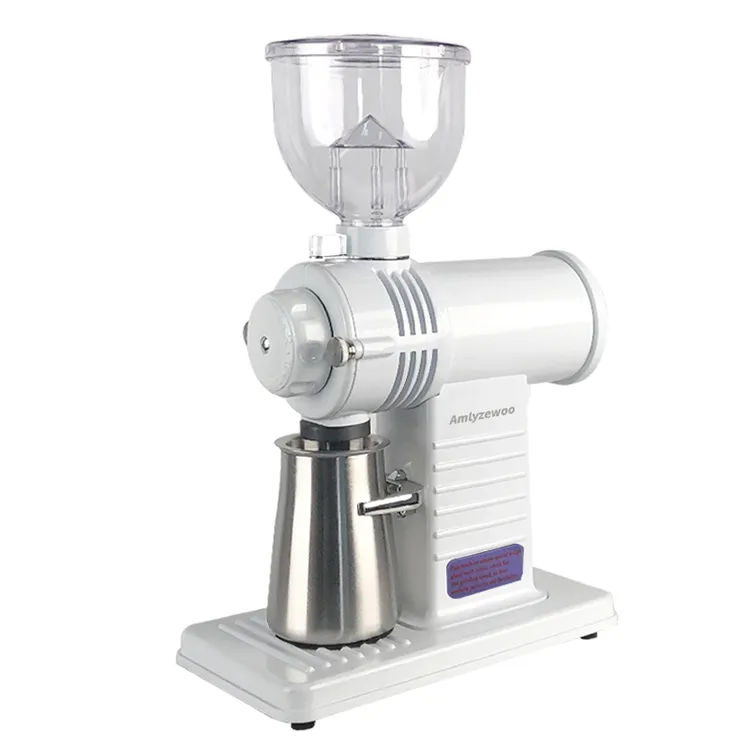
The process of dialing in grind size involves systematic adjustment and tasting to find the sweet spot where your coffee machine with grinder produces optimal extraction. This methodical approach requires understanding the relationship between particle size, extraction time, and flavor development. When you master these fundamentals, every cup becomes a precisely crafted experience that maximizes the potential of your coffee beans and equipment.
Understanding Grind Size Impact on Extraction
The Science Behind Particle Size and Surface Area
Grind size fundamentally determines the surface area of coffee particles exposed to water during brewing. When your coffee machine with grinder produces finer particles, more surface area becomes available for extraction, leading to faster dissolution of soluble compounds. This increased surface area means that flavors, acids, and oils extract more rapidly from the coffee grounds, potentially resulting in over-extraction if the grind is too fine for your brewing method.
Conversely, coarser grinds create larger particles with less exposed surface area, slowing the extraction process. This reduced surface contact requires longer brewing times or higher water temperatures to achieve proper extraction. Understanding this relationship helps you predict how adjustments to your coffee machine with grinder settings will affect the final cup quality.
The uniformity of grind size also plays a crucial role in consistent extraction. When particles vary significantly in size, some will over-extract while others remain under-extracted, creating an unbalanced flavor profile. High-quality coffee machines with grinders feature burr mechanisms that produce more uniform particle sizes compared to blade grinders.
Extraction Timeline and Flavor Development
Different flavor compounds extract at different rates during the brewing process. Acids and fruity notes typically extract first, followed by sugars and sweetness, with bitter compounds extracting last. The grind size you select on your coffee machine with grinder directly influences this extraction timeline, determining which flavors dominate your final cup.
Fine grinds accelerate the entire extraction process, potentially pulling bitter compounds before you achieve balanced sweetness. Medium grinds typically provide the most balanced extraction for most brewing methods, allowing sufficient time for sweetness to develop while avoiding excessive bitterness. Coarse grinds may require extended brewing times to achieve adequate extraction of desirable flavors.
Professional coffee preparation emphasizes matching grind size to brewing time and method. Espresso machines require fine grinds for short extraction times, while pour-over methods often perform best with medium-fine to medium grinds. Your coffee machine with grinder should offer sufficient adjustment range to accommodate your preferred brewing style.
Systematic Approach to Grind Size Adjustment
Establishing Your Baseline Settings
Begin the dialing process by selecting a middle-ground grind setting on your coffee machine with grinder as your starting point. This baseline approach prevents extreme over or under-extraction in your initial test shots, providing a reference point for further adjustments. Document your starting grind setting, dose weight, and brewing time to maintain consistency throughout the dialing process.
Prepare your first test cup using standardized parameters including water temperature, coffee dose, and brewing time. Taste this baseline shot carefully, noting the balance between acidity, sweetness, and bitterness. This initial evaluation guides your subsequent adjustment direction, whether you need to go finer or coarser with your grind settings.
Professional baristas recommend keeping detailed notes during the dialing process, recording grind settings, extraction times, and tasting notes. This systematic documentation helps you identify patterns and return to successful settings when needed. Your coffee machine with grinder likely has numbered or graduated settings that facilitate precise record-keeping.
Making Incremental Adjustments
Effective grind adjustment requires small, incremental changes rather than dramatic jumps between settings. Most coffee machines with grinders allow for micro-adjustments that can significantly impact extraction without overwhelming your palate with extreme changes. Move your grind setting by just one or two clicks or notches at a time to observe the effects clearly.
After each adjustment, prepare a new test cup using identical parameters except for the grind size change. Allow your palate to reset between tastings by cleansing with water or neutral crackers. Compare each new cup to your previous result, noting whether the adjustment moved you closer to or further from your target flavor profile.
The direction of your adjustments depends on the flavors you detect in your current cup. If your coffee tastes sour or underdeveloped, adjust your coffee machine with grinder to a finer setting to increase extraction. If your coffee tastes bitter or harsh, move to a coarser setting to reduce extraction speed and intensity.
Recognizing Optimal Extraction Indicators
Flavor Balance Assessment
The perfectly dialed grind size produces a harmonious balance between acidity, sweetness, and body in your coffee cup. When your coffee machine with grinder is properly adjusted, you should taste bright acidity without sourness, natural sweetness without cloying heaviness, and pleasant body without overwhelming bitterness. This balance indicates that your grind size allows for optimal extraction timing.
Acidity should present as brightness and liveliness rather than sharp sourness. Proper extraction brings forward the coffee's natural fruit and floral characteristics while maintaining pleasant drinking quality. Sweetness should be evident and well-integrated, not requiring additional sugar to make the coffee palatable. These flavor characteristics indicate that your grind adjustment has achieved the desired extraction level.
Body refers to the weight and mouthfeel of the coffee, which should complement rather than overpower the flavor notes. The optimal grind size on your coffee machine with grinder produces coffee with appropriate body for the specific beans and roast level you are using. Light roasts typically show more delicate body, while dark roasts may display fuller, more robust mouthfeel.
Visual and Tactile Extraction Cues
Beyond taste, several visual indicators help confirm proper grind size adjustment on your coffee machine with grinder. For espresso preparation, observe the flow rate and crema formation during extraction. Properly ground coffee should produce a steady, honey-like flow with rich, golden crema that persists on the surface.
Pour-over brewing methods provide visual feedback through bloom behavior and overall flow rate. Coffee ground at the correct size will bloom evenly when first wetted, forming a uniform dome that releases CO2 steadily. The overall brewing time should fall within the recommended range for your specific brewing method and recipe.
Filter clogging or extremely fast flow-through indicates grind size problems that need correction. Your coffee machine with grinder should produce particles that allow proper water flow without creating channels or bypassing. Consistent, controlled extraction timing suggests that your grind adjustment has achieved the optimal particle size distribution.
Troubleshooting Common Grind Size Issues
Addressing Over-Extraction Problems
Over-extraction manifests as excessive bitterness, harsh astringency, or dry aftertaste in your coffee cup. This problem typically results from grind settings that are too fine for your brewing method, causing water to extract undesirable compounds along with the pleasant flavors. When your coffee machine with grinder produces overly fine particles, the increased surface area accelerates extraction beyond the optimal window.
Correcting over-extraction requires moving to a coarser grind setting, which reduces the extraction rate and prevents bitter compounds from dominating the cup. Make gradual adjustments coarser until the harsh flavors diminish and sweetness becomes more prominent. This process may take several iterations to find the optimal setting for your specific beans and brewing parameters.
Environmental factors can also contribute to over-extraction issues even with previously successful grind settings. Humidity, temperature, and bean age all affect how coffee extracts, potentially requiring minor adjustments to your coffee machine with grinder settings. Regular calibration ensures consistent results despite these variables.
Resolving Under-Extraction Challenges
Under-extraction produces coffee that tastes sour, weak, or lacking in body and sweetness. This occurs when the grind size is too coarse for the brewing method, preventing adequate extraction of desirable flavor compounds. Your coffee machine with grinder may need adjustment to a finer setting to increase the surface area available for extraction.
Systematic correction involves gradually decreasing grind size while monitoring flavor development in successive cups. Each adjustment should bring more balance and sweetness to the coffee while reducing sourness and weakness. The goal is finding the finest grind that avoids over-extraction while achieving full flavor development.
Sometimes under-extraction results from factors beyond grind size, including insufficient water temperature, inadequate brewing time, or poor water contact with the coffee grounds. However, proper grind adjustment on your coffee machine with grinder often resolves these issues by optimizing the extraction conditions for your specific brewing setup.
Maintaining Consistency and Equipment Care
Regular Calibration Practices
Consistent results from your coffee machine with grinder require regular calibration and maintenance to ensure grind settings remain accurate over time. Burr wear, accumulated coffee oils, and mechanical drift can gradually affect grind size output even when using identical settings. Professional coffee preparation emphasizes routine calibration checks to maintain quality standards.
Establish a calibration routine that involves testing your standard grind setting with familiar coffee beans at regular intervals. When results begin to drift from your expectations, minor adjustments can restore optimal performance. Document these changes to track patterns in your equipment's behavior and anticipate future calibration needs.
Environmental changes throughout the year may require seasonal adjustments to your grind settings. Humidity and temperature variations affect both coffee bean structure and extraction dynamics, potentially requiring slight modifications to maintain consistent cup quality. Your coffee machine with grinder should accommodate these minor seasonal adjustments.
Cleaning and Maintenance Impact
Regular cleaning of your coffee machine with grinder significantly impacts grind size consistency and flavor quality. Accumulated coffee oils and particles can affect burr alignment and grind uniformity, leading to inconsistent extraction results. Professional maintenance schedules emphasize both daily cleaning routines and periodic deep cleaning procedures.
Daily maintenance includes removing residual grounds and wiping down accessible surfaces to prevent oil buildup. Weekly deep cleaning involves disassembling removable components and cleaning burrs according to manufacturer specifications. This routine maintenance preserves grind quality and extends equipment lifespan while maintaining optimal performance.
Burr replacement schedules depend on usage volume and coffee type, but typically occur after grinding several hundred pounds of coffee. Fresh burrs restore optimal grind uniformity and may require recalibration of your standard settings. Quality coffee machines with grinders provide clear indicators for when burr replacement becomes necessary.
FAQ
How often should I adjust my grind size when using a coffee machine with grinder?
Grind size adjustments should be made whenever you change coffee beans, notice flavor changes in your regular coffee, or when environmental conditions significantly change. For daily use with the same beans, minor adjustments may be needed weekly due to bean aging and environmental factors. However, dramatic changes are rarely necessary once you have established optimal settings for your preferred coffee and brewing method.
What grind size works best for different brewing methods on a coffee machine with grinder?
Espresso requires fine to very fine grinds for proper extraction in 25-30 seconds, while drip coffee machines perform best with medium grinds. Pour-over methods typically use medium-fine grinds, and French press brewing requires coarse grinds for the longer steeping time. Your specific coffee machine with grinder should offer sufficient range to accommodate these different brewing methods effectively.
How do I know if my coffee machine with grinder needs professional servicing?
Signs that indicate professional servicing needs include inconsistent grind sizes at the same setting, unusual noises during grinding, significantly longer grinding times, or inability to achieve desired extraction results despite proper technique. Additionally, if routine cleaning and calibration do not resolve performance issues, professional maintenance may be required to restore optimal function.
Can humidity and altitude affect my grind size requirements?
Yes, environmental factors significantly impact coffee extraction and may require grind size adjustments. High humidity can make coffee beans absorb moisture, requiring slightly finer grinds for proper extraction. High altitude locations may need coarser grinds due to lower air pressure affecting extraction dynamics. Seasonal changes often require minor adjustments to maintain consistent coffee quality from your coffee machine with grinder.
Table of Contents
- Understanding Grind Size Impact on Extraction
- Systematic Approach to Grind Size Adjustment
- Recognizing Optimal Extraction Indicators
- Troubleshooting Common Grind Size Issues
- Maintaining Consistency and Equipment Care
-
FAQ
- How often should I adjust my grind size when using a coffee machine with grinder?
- What grind size works best for different brewing methods on a coffee machine with grinder?
- How do I know if my coffee machine with grinder needs professional servicing?
- Can humidity and altitude affect my grind size requirements?