
 EN
EN



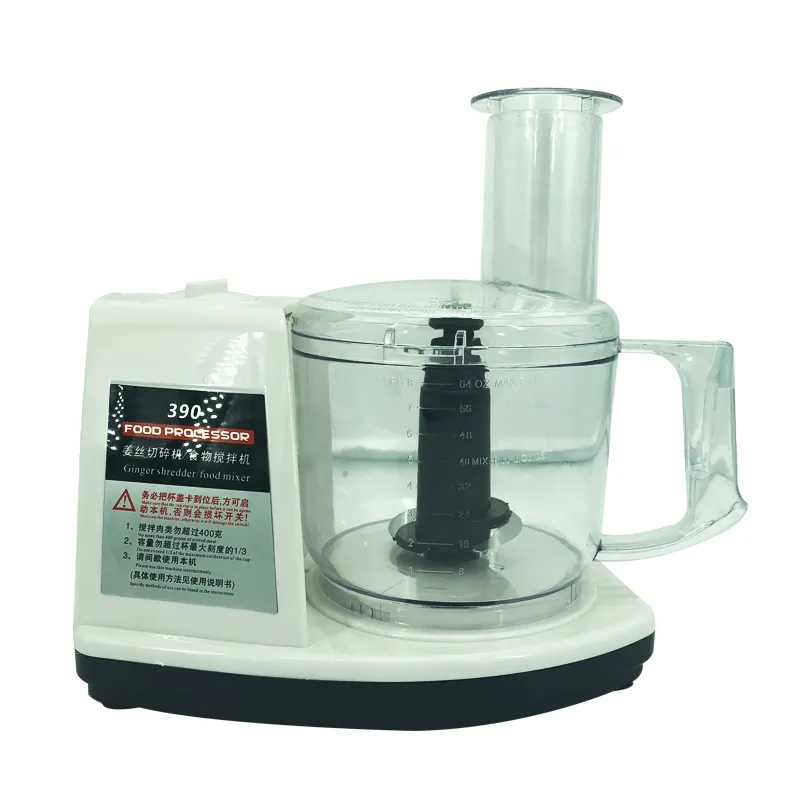
Creating homemade ice cream has become increasingly popular among food enthusiasts who want to control ingredients, customize flavors, and enjoy fresh frozen treats whenever they desire. Selecting the right ice cream machine for your home can transform your kitchen into a personal dessert paradise, but with numerous options available, making the perfect choice requires careful consideration of various factors including capacity, functionality, and your specific needs.
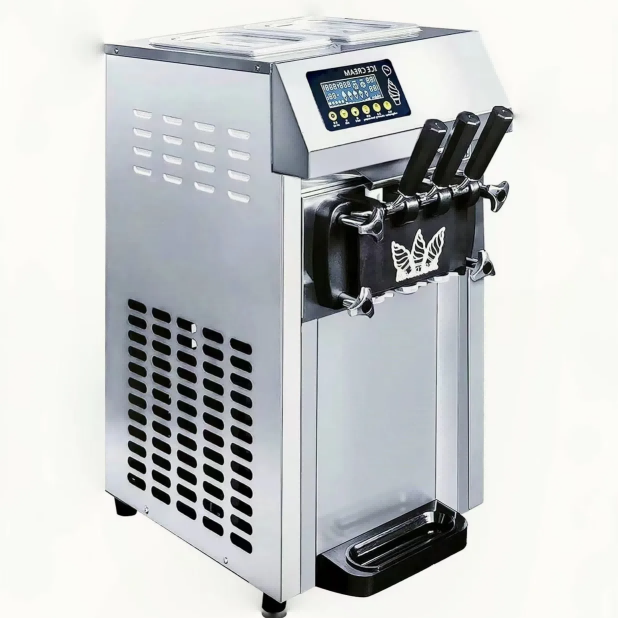
The modern ice cream machine market offers everything from simple manual churns to sophisticated electric models with multiple flavor dispensers. Understanding the different types available and their respective advantages will help you make an informed decision that aligns with your budget, kitchen space, and ice cream consumption habits. Whether you're a casual dessert maker or someone who plans to serve frozen treats regularly, the right equipment can make all the difference in achieving professional-quality results at home.
Understanding Different Types of Ice Cream Machines
Manual vs Electric Ice Cream Makers
Manual ice cream makers represent the traditional approach to frozen dessert creation, requiring physical effort to churn the mixture while it freezes. These machines typically use rock salt and ice surrounding a metal canister, creating the freezing environment needed for proper ice cream formation. While they require more hands-on involvement, manual machines often produce excellent texture and allow for complete control over the churning process.
Electric ice cream machines automate the churning process, making ice cream creation more convenient and consistent. Most electric models feature built-in motors that rotate paddles or dashers continuously, ensuring even mixing and proper aeration. These machines often incorporate refrigeration systems or require pre-frozen bowls, eliminating the need for ice and salt while providing more predictable results.
Compressor vs Pre-Freeze Bowl Models
Compressor-based ice cream machines include built-in refrigeration units that freeze the mixture during the churning process. These professional-grade appliances can make multiple batches consecutively without waiting periods and typically produce superior texture due to consistent temperature control. Although they represent a higher initial investment, compressor models offer the ultimate convenience for serious ice cream enthusiasts.
Pre-freeze bowl models require users to freeze the mixing bowl for 12-24 hours before use, making advance planning necessary. These machines are generally more affordable and compact, making them suitable for occasional use or smaller kitchens. While they cannot make consecutive batches without additional frozen bowls, they still produce excellent homemade ice cream when properly operated.
Key Features to Consider When Shopping
Capacity and Serving Size Requirements
Determining the appropriate capacity for your ice cream machine depends on your household size and entertainment needs. Smaller machines typically produce 1-2 quarts per batch, which suits families of two to four people or those who prefer making ice cream occasionally. These compact units require less storage space and are generally more affordable, making them ideal starter options.
Larger capacity machines can produce 4-6 quarts or more per batch, accommodating bigger families or those who frequently entertain guests. Commercial-style units designed for home use can handle even greater volumes, though they require significantly more counter and storage space. Consider your typical consumption patterns and whether you prefer making large batches less frequently or smaller amounts more often.
Motor Power and Churning Efficiency
The motor power of an ice cream machine directly impacts its ability to churn thick mixtures and incorporate air properly. Machines with more powerful motors can handle denser bases, mix-ins like chocolate chips or nuts, and continue operating effectively as the mixture thickens during freezing. Typical home units range from 50 to 200 watts, with higher wattage generally indicating better performance.
Churning efficiency also depends on paddle design and rotation speed. Some machines offer variable speed settings, allowing users to adjust churning intensity based on the recipe being prepared. Consistent churning prevents ice crystal formation and ensures smooth, creamy texture in the finished product, making motor quality a crucial consideration when selecting your ice cream machine.
Material Quality and Durability Factors
Stainless Steel vs Plastic Construction
Stainless steel construction offers superior durability, temperature retention, and hygiene compared to plastic alternatives. Steel components resist scratching, staining, and odor absorption while providing better heat conductivity for more efficient freezing. Although stainless steel machines typically cost more initially, they often justify the investment through longevity and consistent performance over many years of use.
Plastic construction keeps costs lower and reduces overall machine weight, making storage and handling easier. Modern food-grade plastics can perform adequately for occasional use, though they may show wear more quickly than metal alternatives. Some machines combine both materials strategically, using stainless steel for critical components like mixing bowls while incorporating plastic for housings and non-contact parts.
Freezer Bowl Quality and Insulation
The freezer bowl represents the heart of most home ice cream machines, making its quality essential for optimal performance. Double-walled construction with insulating gel or liquid between walls provides superior temperature maintenance during operation. Thicker walls generally indicate better insulation, though they also increase weight and storage requirements.
Bowl capacity should match your typical batch sizes while considering that mixtures expand during churning. Some manufacturers offer additional bowls for purchase, allowing multiple flavors or consecutive batches when properly planned. The bowl's interior surface finish affects both cleaning ease and ice cream release, with smoother finishes generally providing better results.
Advanced Features and Technology Integration
Digital Controls and Timer Functions
Modern ice cream machines increasingly incorporate digital displays and programmable controls that enhance user experience and consistency. Digital timers automatically stop churning when optimal texture is achieved, preventing over-mixing that can lead to butter-like consistency. Some advanced models include multiple program settings for different frozen dessert types, adjusting churning speed and duration accordingly.
Temperature monitoring capabilities help ensure proper freezing conditions throughout the process. Digital readouts can display current mixture temperature, remaining time, and operational status, providing valuable feedback for achieving perfect results. These features are particularly beneficial for beginners who are still learning to recognize proper consistency and timing cues.
Multi-Flavor Capabilities and Specialty Functions
Some premium ice cream machines offer multi-flavor capabilities, allowing simultaneous preparation of different varieties. These units typically feature separate churning chambers or dividers within a single bowl, enabling creation of varied flavors during one operation cycle. Such functionality is particularly valuable for families with diverse taste preferences or those who enjoy experimenting with flavor combinations.
Specialty functions might include sorbet settings, frozen yogurt programs, or gelato-specific churning patterns. These modes adjust churning speed, duration, and sometimes temperature to optimize results for different frozen dessert types. While not essential for basic ice cream making, these features expand creative possibilities and justify higher prices for serious frozen dessert enthusiasts.
Budget Considerations and Value Assessment
Entry-Level vs Premium Price Points
Entry-level ice cream machines typically range from thirty to one hundred dollars, offering basic functionality suitable for occasional use. These machines usually feature pre-freeze bowls, simple electric motors, and plastic construction while still producing satisfactory homemade ice cream. For families just starting their ice cream making journey, these affordable options provide an excellent introduction without significant financial commitment.
Premium models can cost several hundred to over a thousand dollars, incorporating compressor refrigeration, stainless steel construction, and advanced features. These machines offer convenience, consistency, and professional-level results that justify higher prices for serious users. Consider your long-term commitment to ice cream making and frequency of use when evaluating whether premium features warrant the additional investment.
Long-Term Cost Analysis
Beyond initial purchase price, consider ongoing costs including electricity usage, replacement parts, and ingredient expenses. Compressor models consume more electricity but eliminate the need for freezer space to maintain spare bowls. Calculate potential savings compared to purchasing premium ice cream regularly, especially for families with high frozen dessert consumption.
Maintenance requirements vary significantly between machine types, with some requiring regular cleaning of complex components while others need minimal care. Factor in the time investment for preparation, operation, and cleanup when assessing total ownership costs. Higher-quality machines often require less frequent replacement, potentially offering better long-term value despite higher upfront costs.
Installation and Maintenance Requirements
Space and Storage Considerations
Ice cream machine storage requirements vary dramatically based on type and size selected. Compact pre-freeze bowl models can often fit in standard kitchen cabinets when not in use, though the bowl itself requires dedicated freezer space. Measure available storage areas before purchasing to ensure adequate accommodation without disrupting kitchen functionality.
Compressor-based machines typically require permanent counter space due to size and weight considerations. These units need adequate ventilation clearance around vents and should be positioned away from heat sources for optimal performance. Consider whether you have suitable permanent placement options or if the machine will need frequent moving and storage.
Cleaning and Maintenance Protocols
Proper cleaning procedures ensure food safety and extend machine lifespan significantly. Most removable components can be washed in dishwashers, though hand washing often provides gentler treatment for plastic parts. Non-removable elements require careful cleaning with damp cloths and food-safe sanitizers, taking care to avoid electrical components.
Regular maintenance might include lubricating moving parts, checking electrical connections, and inspecting seals for wear. Some machines require periodic deep cleaning of internal components, particularly those with built-in refrigeration systems. Follow manufacturer guidelines precisely to maintain warranty coverage and ensure safe operation throughout the machine's service life.
Popular Brands and Model Comparisons
Leading Manufacturer Reputations
Established brands like Cuisinart, KitchenAid, and Breville have earned strong reputations through consistent quality and reliable customer service. These manufacturers typically offer comprehensive warranties, readily available replacement parts, and detailed user documentation. Their machines often incorporate proven designs refined through years of user feedback and technological advancement.
Newer market entrants sometimes offer innovative features or competitive pricing, though they may lack the service infrastructure of established brands. Research customer reviews and warranty terms carefully when considering lesser-known manufacturers. Sometimes these companies provide excellent value, but ensure adequate support resources exist for troubleshooting and maintenance needs.
Performance Benchmarks and User Reviews
Professional and consumer reviews provide valuable insights into real-world performance characteristics that specifications cannot convey. Look for consistent feedback regarding noise levels, churning effectiveness, build quality, and ease of use across multiple sources. Pay particular attention to long-term ownership experiences that reveal durability and maintenance issues.
Performance benchmarks should include churning time for standard recipes, texture quality achieved, and consistency between batches. Some reviewers conduct side-by-side comparisons using identical recipes, providing direct performance contrasts between competing models. These comparative analyses often reveal subtle differences that influence overall satisfaction and usage patterns.
FAQ
How long does it typically take to make ice cream at home
Most home ice cream machines require 20-30 minutes of active churning time once the mixture is properly chilled and the machine is ready. Pre-freeze bowl models need 12-24 hours of freezer time before use, while compressor models can begin immediately. The total process from start to finish typically takes 2-4 hours when including preparation and chilling time for the base mixture.
Can I make other frozen desserts besides ice cream
Yes, most ice cream machines can successfully create sorbet, frozen yogurt, gelato, and sherbet with appropriate recipe modifications. The key differences lie in base ingredients, fat content, and sometimes churning speed or duration. Some machines include specific settings for different frozen dessert types, while others require manual timing adjustments based on mixture consistency.
What ingredients work best for homemade ice cream
High-quality ingredients produce superior results, with heavy cream, whole milk, and fresh egg yolks forming excellent custard bases. Sugar content affects both sweetness and texture, as sugar lowers freezing temperature and impacts consistency. Vanilla extract, cocoa powder, and fresh fruits work well as flavorings, while alcohol-based extracts should be used sparingly as they can prevent proper freezing.
How do I prevent ice crystals from forming in my homemade ice cream
Preventing ice crystals requires proper ingredient ratios, adequate churning, and appropriate storage techniques. Ensure your base mixture is thoroughly chilled before churning, maintain consistent churning throughout the process, and transfer finished ice cream to airtight containers immediately. Adding a small amount of corn syrup or using recipes with higher fat content also helps create smoother texture by interfering with ice crystal formation.
Table of Contents
- Understanding Different Types of Ice Cream Machines
- Key Features to Consider When Shopping
- Material Quality and Durability Factors
- Advanced Features and Technology Integration
- Budget Considerations and Value Assessment
- Installation and Maintenance Requirements
- Popular Brands and Model Comparisons
- FAQ