
 EN
EN



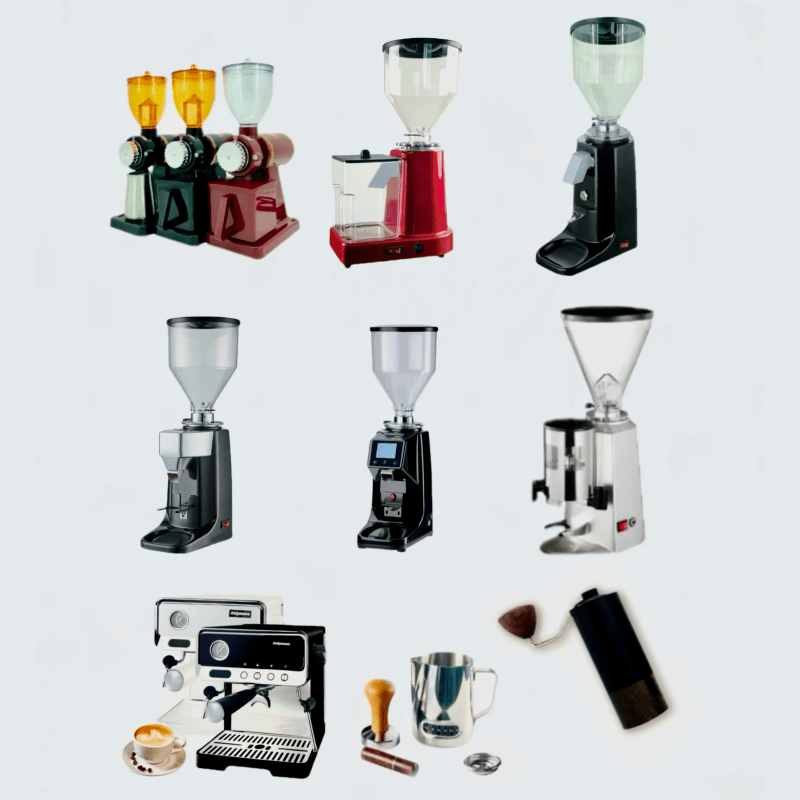
Achieving the perfect cup of coffee begins with understanding how to properly calibrate your burr coffee grinder for optimal extraction. Whether you're a home barista or professional coffee enthusiast, mastering the art of grind calibration can transform your brewing experience and unlock the full potential of your favorite beans. The precision offered by a quality burr coffee grinder allows you to control particle size distribution, which directly impacts extraction time, flavor balance, and overall coffee quality.
The relationship between grind size and extraction is fundamental to coffee brewing science. When coffee grounds are too coarse, water passes through quickly, resulting in under-extraction and sour, weak flavors. Conversely, overly fine grounds can lead to over-extraction, producing bitter, astringent notes that mask the coffee's natural characteristics. A properly calibrated burr coffee grinder ensures consistent particle size distribution, allowing for even water contact and optimal flavor extraction across all brewing methods.
Understanding your specific brewing method requirements is essential for effective calibration. Espresso demands a fine, uniform grind that creates appropriate resistance for the pressurized brewing process. Pour-over methods like V60 or Chemex typically require medium-fine to medium grinds, while French press brewing benefits from coarser settings. Each brewing method has unique timing and extraction parameters that your burr coffee grinder must accommodate through precise adjustment capabilities.
Understandi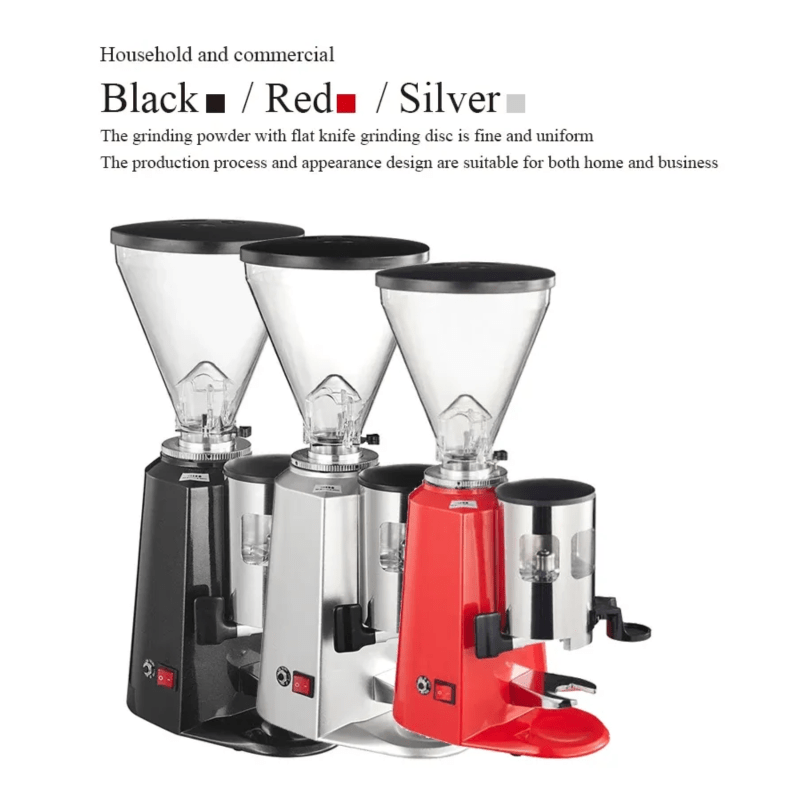 ng Burr Grinder Mechanics
Flat Burr vs Conical Burr Systems
The mechanical design of your burr coffee grinder significantly influences calibration approach and results. Flat burr systems feature two parallel grinding surfaces that crush beans between them, typically producing more uniform particle size distribution. These grinders often provide more precise adjustment increments, making calibration easier for espresso and other demanding brewing methods. The consistent geometry of flat burrs creates predictable grind characteristics once properly calibrated.
Conical burr coffee grinder designs utilize a cone-shaped inner burr nested within an outer ring burr. This configuration produces a slightly wider particle size distribution, which many coffee professionals believe enhances flavor complexity in certain brewing methods. Conical burrs often run cooler and quieter than flat burr systems, making them popular for home use. Understanding your specific burr type helps inform calibration strategies and expectations for grind consistency.
Adjustment Mechanism Types
Modern burr coffee grinder models feature various adjustment mechanisms, from stepped systems with discrete settings to stepless designs offering infinite adjustment possibilities. Stepped grinders provide reproducible settings that are easy to return to, making them ideal for users who frequently switch between brewing methods. Each click or step represents a specific distance change between the burrs, creating predictable grind size adjustments.
Stepless adjustment systems in premium burr coffee grinder units allow for micro-adjustments that can fine-tune extraction to perfection. While these systems offer maximum flexibility, they require more careful documentation of settings since returning to a specific grind size relies on visual markers or measurement tools. Professional baristas often prefer stepless systems for their ability to make minute adjustments that can dramatically improve espresso extraction quality.
Initial Setup and Baseline Calibration
Establishing Your Starting Point
Before beginning calibration, ensure your burr coffee grinder is properly assembled and clean. Remove any old coffee residue or oils that might affect grind consistency or flavor. Start with your grinder's manufacturer-recommended medium setting as a baseline, typically found in the middle range of available adjustments. This starting point provides a foundation for making incremental changes based on your brewing method requirements.
Select a single coffee variety and roast level for initial calibration testing to eliminate variables that might confuse results. Medium roast, single-origin coffees often provide the most balanced flavor profile for calibration purposes, allowing you to clearly identify under-extraction or over-extraction characteristics. Consistency in coffee selection during calibration ensures that grind adjustments are the primary variable affecting extraction quality.
Measuring Grind Particle Size
Visual assessment provides the first indication of grind size appropriateness, though experienced users develop tactile sensitivity for evaluating particle consistency. Fine grinds should feel powdery with minimal large particles, while coarse grinds should have distinct, chunky pieces without excessive dust. A quality burr coffee grinder produces uniform particle size with minimal variation across the grind spectrum.
Professional calibration often involves sieve analysis or microscopic measurement, though home users can achieve excellent results through careful observation and taste testing. Document your visual observations alongside brewing results to develop a personal reference system. Photography can help track particle size changes as you adjust your burr coffee grinder settings, creating a visual log of successful calibrations.
Brewing Method Specific Calibration
Espresso Calibration Techniques
Espresso calibration requires the finest adjustments and most precise control from your burr coffee grinder. Begin with a fine grind setting and pull test shots, measuring extraction time with a stopwatch. Ideal espresso extraction typically takes 25-30 seconds for a double shot, producing approximately 2 ounces of liquid from 18-20 grams of ground coffee. If extraction is too fast, adjust your grinder finer; if too slow, go coarser by small increments.
Taste evaluation is crucial for espresso calibration beyond timing considerations. Properly extracted espresso should balance sweetness, acidity, and body without excessive bitterness or sourness. Under-extracted shots taste sour and thin, while over-extracted shots become bitter and astringent. Your burr coffee grinder adjustments should target the sweet spot where all flavor elements harmonize, creating a rich, complex espresso experience.
Pour Over and Drip Method Adjustments
Pour-over brewing methods require different calibration approaches than espresso, typically using medium-fine to medium grind settings. Start with a grind that resembles coarse salt and adjust based on brewing time and flavor results. V60 pour-overs should complete in 2.5-3.5 minutes, while Chemex brewing takes 4-6 minutes depending on batch size and technique. Your burr coffee grinder setting directly influences these timing parameters.
Flavor balance in pour-over methods depends heavily on grind uniformity and particle size distribution. Inconsistent grinds from poorly calibrated equipment create uneven extraction, resulting in simultaneous under-extraction and over-extraction within the same brew. A properly adjusted burr coffee grinder produces uniform particles that extract evenly, creating clean, balanced flavors that highlight the coffee's origin characteristics.
Advanced Calibration Techniques
Seasonal and Environmental Adjustments
Environmental factors significantly impact burr coffee grinder performance and calibration requirements. Humidity levels affect coffee bean moisture content, which influences grinding behavior and extraction characteristics. During humid conditions, beans may require slightly coarser grinds to maintain proper extraction timing, while dry conditions might necessitate finer adjustments. Monitor local weather patterns and their effects on your brewing results.
Temperature variations also affect burr expansion and coffee bean characteristics, requiring seasonal calibration adjustments. Cold temperatures can make beans more brittle, potentially creating more dust and fine particles during grinding. Hot conditions might cause beans to grind differently due to oil content changes. Experienced users develop seasonal adjustment protocols to maintain consistent results from their burr coffee grinder throughout the year.
Batch Size Considerations
The amount of coffee ground at one time can affect particle size consistency and distribution from your burr coffee grinder. Small batches may not provide sufficient resistance for optimal burr engagement, potentially creating inconsistent particle sizes. Large batches can overwhelm the grinding chamber, leading to heat buildup and uneven processing. Identify your grinder's optimal batch size range for most consistent calibration results.
Single-dose grinding, where you grind only the amount needed for immediate brewing, offers maximum freshness and consistency benefits. This approach requires precise calibration since you cannot blend multiple grinding sessions to average out inconsistencies. Your burr coffee grinder must perform reliably with small batches, maintaining consistent particle size distribution from the first grounds to the last.
Troubleshooting Common Calibration Issues
Inconsistent Grind Quality Problems
Inconsistent grinding results often indicate calibration issues or mechanical problems with your burr coffee grinder. Check for worn burr surfaces, which create irregular particle sizes regardless of adjustment settings. Loose mounting hardware can cause burr misalignment, resulting in inconsistent gaps and uneven grinding. Regular maintenance and inspection prevent many calibration-related problems from developing.
Bean age and quality significantly impact grinding consistency and calibration requirements. Stale or unevenly roasted beans may grind irregularly, making calibration assessment difficult. Use freshly roasted, high-quality beans for calibration work to ensure that grind inconsistencies result from equipment settings rather than coffee quality issues. Your burr coffee grinder can only perform as well as the beans you feed it.
Extraction Timing Challenges
When calibration adjustments don't produce expected brewing time changes, investigate other variables that might influence extraction. Water temperature, brewing technique, and coffee dose all interact with grind size to determine extraction timing. Systematic adjustment of one variable at a time helps isolate the effects of burr coffee grinder calibration from other brewing parameters.
Extreme grind settings that produce little change in extraction timing may indicate burr wear or calibration drift. Over time, burr surfaces wear smooth, reducing grinding efficiency and requiring recalibration or burr replacement. Document your burr coffee grinder settings over time to identify gradual changes that indicate maintenance needs or calibration drift requiring attention.
Maintenance and Long-Term Calibration Stability
Regular Cleaning Protocols
Consistent calibration performance depends on regular cleaning and maintenance of your burr coffee grinder. Coffee oils and residue build up over time, affecting grind quality and potentially altering calibration characteristics. Weekly deep cleaning removes accumulated oils that can create inconsistent grinding and off-flavors. Use manufacturer-recommended cleaning tablets or rice grinding techniques to maintain optimal performance.
Burr replacement schedules vary by usage level and grinder quality, but typically range from several hundred to several thousand pounds of coffee processed. Keep detailed records of coffee quantities ground and grinding performance to anticipate burr replacement needs. Fresh burrs restore calibration precision and grind quality, often improving extraction consistency dramatically compared to worn equipment.
Documentation and Record Keeping
Successful long-term calibration requires detailed documentation of settings, results, and adjustments. Create a calibration log that includes grind settings, brewing methods, extraction times, and flavor notes. This information helps identify patterns and optimal settings for different coffee varieties and brewing techniques. Your burr coffee grinder calibration knowledge builds over time through careful observation and documentation.
Digital tools and smartphone apps can simplify calibration record keeping and analysis. Photography of grind particle sizes, timing measurements, and flavor descriptions create comprehensive calibration databases. Share successful calibration settings with other users of similar burr coffee grinder models to benefit from collective experience and expertise.
FAQ
How often should I recalibrate my burr coffee grinder
Recalibration frequency depends on usage level and grinder quality, but most home users should reassess calibration monthly or when switching between different coffee varieties. Heavy use or frequent adjustment changes may require more frequent calibration checks. Professional environments often perform daily calibration verification to maintain consistency standards.
What causes my burr coffee grinder calibration to drift over time
Calibration drift results from burr wear, mechanical settling, and environmental factors affecting grinder components. Temperature changes can cause metal expansion that alters burr gaps, while accumulated coffee residue affects grinding consistency. Regular maintenance and environmental control help minimize calibration drift issues.
Can I use different coffee beans for calibration testing
While you can use different beans, consistency in calibration testing requires using the same coffee variety and roast level throughout the process. Different beans have varying density, oil content, and grinding characteristics that affect calibration results. Once calibrated, you may need minor adjustments for different coffee types.
How do I know if my burr coffee grinder needs professional calibration
Professional calibration becomes necessary when standard adjustment procedures fail to produce expected results, or when grinding consistency deteriorates despite proper maintenance. Extreme settings required for normal grinding, unusual noise patterns, or inability to achieve fine enough grinds for espresso may indicate professional service needs.