
 EN
EN



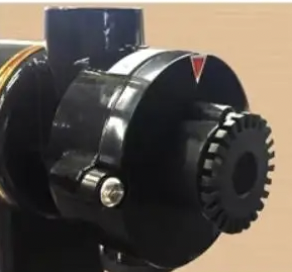
The world of coffee brewing has evolved tremendously, with enthusiasts seeking the perfect cup through various methods ranging from espresso to pour-over techniques. At the heart of exceptional coffee lies the grind quality, making an electric coffee grinder an indispensable tool for any serious coffee lover. The consistency and precision of your grind directly impacts extraction, flavor development, and overall brewing success across different methods. Understanding how different electric coffee grinder models perform across various brewing techniques can help you make informed decisions about your coffee equipment investment.
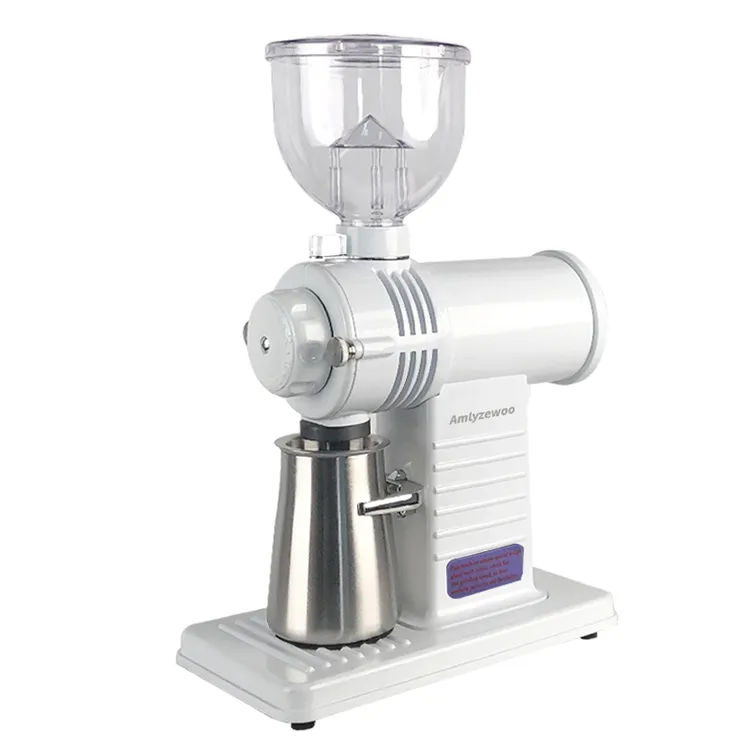
When evaluating grinder performance across brewing methods, several factors come into play that determine the quality of your final cup. Grind size consistency affects extraction rates, while particle distribution influences flavor balance and clarity. An effective electric coffee grinder must demonstrate versatility across multiple grind settings while maintaining uniformity within each setting range. Professional baristas and home enthusiasts alike recognize that different brewing methods require specific grind characteristics to optimize flavor extraction and achieve desired results.
Understanding Grind Requirements for Different Brewing Methods
Espresso Brewing Demands
Espresso brewing represents one of the most demanding applications for any electric coffee grinder, requiring extremely fine and consistent particles to achieve proper extraction under high pressure. The grind must be uniform enough to create even water flow through the coffee bed, preventing channeling that can lead to under or over-extraction. Professional-grade electric coffee grinder models typically excel in this application due to their precise burr mechanisms and consistent particle size distribution capabilities.
Temperature stability during grinding becomes crucial for espresso applications, as excessive heat can compromise the delicate volatile compounds that contribute to espresso's complex flavor profile. Quality electric coffee grinder units incorporate design features that minimize heat generation while maintaining grinding speed efficiency. The ability to achieve stepless or micro-adjustment capabilities allows baristas to fine-tune extraction parameters for optimal espresso performance across different coffee origins and roast levels.
Pour-Over and Drip Coffee Applications
Pour-over brewing methods such as V60, Chemex, and traditional drip coffee makers require medium-fine to medium grind sizes that allow controlled water flow and optimal extraction timing. An effective electric coffee grinder must demonstrate consistent particle distribution in this range while avoiding excessive fines that can clog paper filters or create muddy flavors. The uniformity of grind particles directly impacts the evenness of extraction across the coffee bed during the brewing process.
Different pour-over methods may require slight variations in grind size to accommodate their unique flow rates and extraction characteristics. A versatile electric coffee grinder should offer sufficient adjustment range and precision to accommodate these subtle differences. The ability to produce clean, well-defined particle sizes in the medium range often separates premium grinder models from entry-level alternatives, particularly when consistency is maintained across multiple grinding sessions.
Technical Performance Analysis
Burr Mechanism and Grinding Consistency
The heart of any superior electric coffee grinder lies in its burr mechanism, which determines the quality and consistency of particle size distribution across all grind settings. Conical burrs typically provide excellent particle uniformity while generating minimal heat, making them ideal for preserving coffee's delicate flavor compounds. Flat burr designs often excel at producing extremely consistent particle sizes, particularly beneficial for espresso applications where uniformity is paramount.
Burr alignment and manufacturing precision significantly impact grinding performance across different settings. High-quality electric coffee grinder models maintain tight tolerances between burr surfaces, ensuring consistent particle sizes regardless of grind setting selection. The durability of burr materials affects long-term performance consistency, with hardened steel and ceramic options offering different advantages in terms of longevity and flavor preservation characteristics.
Motor Performance and Speed Control
Motor specifications play a crucial role in determining how effectively an electric coffee grinder handles different bean types and grinding demands across various brew methods. Lower RPM motors typically generate less heat while providing adequate torque for consistent grinding performance. The relationship between motor power and grinding chamber size affects both grinding speed and particle consistency across different volume requirements.
Variable speed control capabilities allow users to optimize grinding parameters for different coffee beans and brewing applications. Dense, light-roasted beans may require different motor speeds compared to darker roasts to achieve optimal particle size distribution. Advanced electric coffee grinder models often incorporate electronic speed control systems that maintain consistent grinding performance regardless of bean hardness or quantity variations.
Practical Brewing Method Applications
Cold Brew and French Press Optimization
Cold brew and French press brewing methods require coarser grind sizes that allow for extended steeping times without over-extraction or excessive sediment formation. An effective electric coffee grinder must demonstrate consistent performance in the coarse grind range while producing particles that maintain structural integrity during long steeping periods. The ability to produce uniform coarse particles without excessive fines is particularly important for cold brew applications where clarity and smoothness are desired characteristics.
Grind retention and chamber design become important considerations for coarse grinding applications, as static buildup can affect particle distribution and consistency. Quality electric coffee grinder models incorporate anti-static features or design elements that minimize particle retention and ensure complete dose delivery. The grinding chamber capacity and hopper design should accommodate larger quantities typically used for cold brew preparation while maintaining consistent particle size distribution throughout the grinding process.
Turkish Coffee and Specialty Applications
Turkish coffee preparation requires extremely fine grinding that approaches powder-like consistency, challenging even high-quality electric coffee grinder models. The ability to achieve and maintain such fine particle sizes while avoiding clogging or inconsistent output demonstrates the precision capabilities of professional-grade grinding equipment. Heat generation becomes particularly critical at these fine settings, as excessive temperature can compromise the delicate flavors essential to traditional Turkish coffee preparation.
Specialty brewing applications often demand unique grind characteristics that test the versatility of electric coffee grinder performance. Vacuum brewing, siphon methods, and various ethnic brewing traditions each present specific particle size requirements and consistency demands. A truly versatile grinder should demonstrate competent performance across this wide range of applications while maintaining reliable operation and consistent results.
Performance Evaluation Criteria
Consistency and Uniformity Measurements
Evaluating electric coffee grinder performance requires objective measurement of particle size distribution and consistency across multiple grinding sessions. Professional assessment typically involves sieve analysis to determine the percentage of particles within specific size ranges, revealing the uniformity of grind output. Consistent performers demonstrate minimal variation in particle distribution between grinding sessions, regardless of environmental conditions or bean characteristics.
Visual inspection and tactile evaluation provide additional insights into grinder performance across different brew method requirements. Uniform particles should display consistent color and texture, while excessive fines or boulders indicate grinding inconsistencies that can negatively impact extraction and flavor development. Professional baristas often develop sensory evaluation skills that complement technical measurements when assessing electric coffee grinder performance across various applications.
Speed and Efficiency Considerations
Grinding speed affects both workflow efficiency and coffee quality, with optimal performance balancing throughput with particle consistency and heat generation. Fast grinding capabilities benefit commercial applications and busy home environments, while excessive speed can compromise particle uniformity and generate unwanted heat. Quality electric coffee grinder models demonstrate consistent grinding speeds across different settings while maintaining temperature control throughout extended use periods.
Dose consistency and repeatability represent crucial performance metrics for any serious coffee preparation setup. Professional-grade electric coffee grinder units often incorporate dosing mechanisms or weight-based controls that ensure consistent coffee quantities for different brewing methods. The ability to produce identical doses repeatedly eliminates variables in the brewing process, allowing for more precise extraction control and consistent cup quality across multiple brewing sessions.
Maintenance and Longevity Factors
Cleaning and Calibration Requirements
Regular maintenance protocols significantly impact long-term performance consistency of any electric coffee grinder across different brewing applications. Burr cleaning schedules depend on usage frequency and coffee oil accumulation, with darker roasts typically requiring more frequent attention due to higher oil content. Proper cleaning techniques preserve grinding consistency while preventing flavor contamination between different coffee origins or processing methods.
Calibration procedures ensure continued accuracy across all grind settings as burrs experience normal wear over time. Professional electric coffee grinder models often incorporate adjustment mechanisms that allow for burr realignment and calibration without requiring complete disassembly. Understanding calibration requirements helps users maintain optimal performance across various brewing methods throughout the grinder's service life.
Component Durability and Replacement
Burr longevity directly affects the sustained performance of electric coffee grinder units across different brewing applications over extended periods. High-quality burr materials resist wear while maintaining sharp cutting edges that produce consistent particle sizes. Replacement burr availability and installation procedures impact the long-term viability of grinder investments, particularly for users who depend on consistent performance for professional or serious home brewing applications.
Motor durability and electronic component reliability determine overall grinder lifespan and consistent performance delivery. Quality electric coffee grinder models incorporate robust motor designs that handle extended use cycles while maintaining consistent grinding performance. Electronic controls and adjustment mechanisms should demonstrate reliability across thousands of grinding cycles while maintaining calibration accuracy and user interface responsiveness.
FAQ
What grind settings work best for different brewing methods
Different brewing methods require specific grind sizes for optimal extraction and flavor development. Espresso demands very fine grinding similar to powdered sugar consistency, while pour-over methods like V60 or Chemex work best with medium-fine particles resembling table salt. French press and cold brew applications require coarse grinding with particles similar to breadcrumbs or sea salt. An electric coffee grinder with wide adjustment range accommodates all these requirements while maintaining consistency within each setting range.
How does grinding consistency affect coffee flavor across brew methods
Grinding consistency directly impacts extraction uniformity and flavor balance in the final cup regardless of brewing method. Uniform particles extract at similar rates, producing balanced flavors without excessive bitterness or sourness. Inconsistent grinding creates a mix of over-extracted fines and under-extracted larger particles, resulting in muddy or harsh flavors. Quality electric coffee grinder models minimize particle size variation, ensuring even extraction and clean flavor profiles across all brewing applications.
Can one electric coffee grinder handle all brewing method requirements effectively
A well-designed electric coffee grinder with sufficient adjustment range and consistent burr performance can accommodate most brewing method requirements effectively. The key factors include adequate grind setting range from very fine to coarse, consistent particle size distribution across all settings, and minimal grind retention between setting changes. Professional-grade grinders typically demonstrate versatility across espresso, pour-over, drip, French press, and cold brew applications while maintaining performance standards suitable for serious coffee preparation.
What maintenance practices ensure consistent performance across different grind settings
Regular cleaning and calibration maintain optimal electric coffee grinder performance across all brewing applications. Weekly burr cleaning removes coffee oil buildup that can affect particle consistency and flavor, while periodic calibration ensures accurate grind size across all settings. Proper bean hopper storage prevents moisture and contamination issues, while regular inspection of adjustment mechanisms maintains precise grind control. Following manufacturer maintenance schedules preserves grinding consistency and extends equipment lifespan across various brewing method requirements.
Table of Contents
- Understanding Grind Requirements for Different Brewing Methods
- Technical Performance Analysis
- Practical Brewing Method Applications
- Performance Evaluation Criteria
- Maintenance and Longevity Factors
-
FAQ
- What grind settings work best for different brewing methods
- How does grinding consistency affect coffee flavor across brew methods
- Can one electric coffee grinder handle all brewing method requirements effectively
- What maintenance practices ensure consistent performance across different grind settings