
 EN
EN



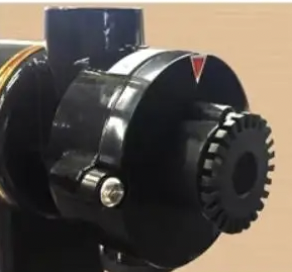
Yes, a well-designed coffee machine with grinder can absolutely handle both light and dark roasts evenly, provided it incorporates adjustable grind settings and precision controls. The key lies in understanding how different roast levels affect bean density, oil content, and optimal extraction parameters, then selecting equipment that offers the flexibility to accommodate these variations seamlessly.
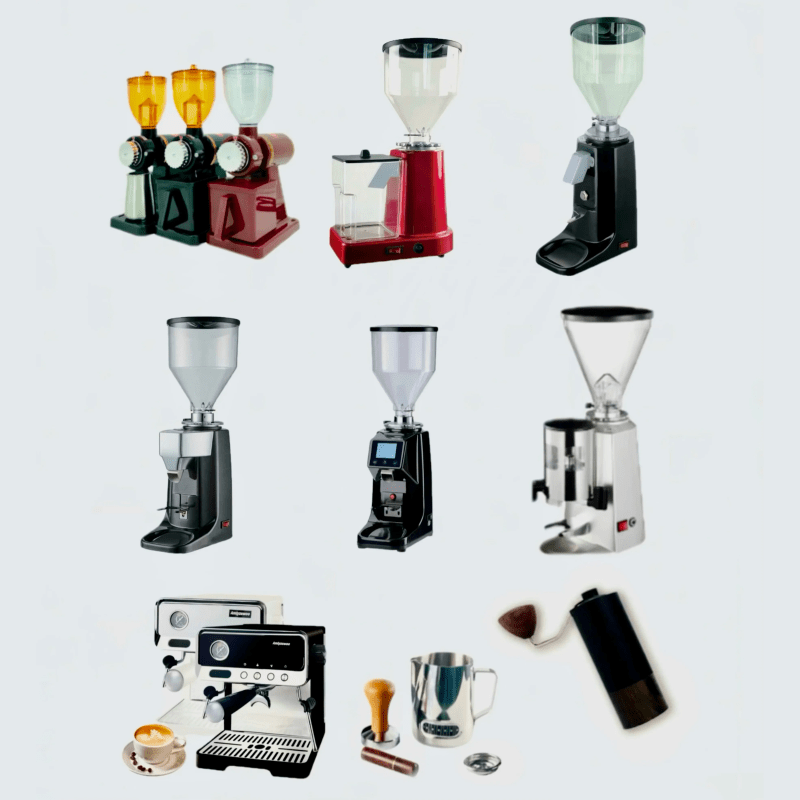
The ability to handle diverse roast profiles effectively depends on several mechanical and operational factors within the coffee machine with grinder system. Modern commercial and high-end residential units increasingly feature burr grinders with stepless adjustment capabilities, programmable dosing controls, and temperature management systems that can adapt to the unique characteristics of each roast level without compromising extraction quality or flavor consistency.
Understanding Roast Level Impact on Grinding Requirements
Physical Differences Between Light and Dark Roasts
Light roasts retain higher density and moisture content compared to their darker counterparts, requiring different grinding approaches within a coffee machine with grinder setup. These beans typically demand finer adjustments to achieve optimal extraction, as their cellular structure remains more intact and resistant to water penetration during the brewing process.
Dark roasts undergo extended heating that reduces bean density while increasing oil migration to the surface. This creates a more brittle structure that breaks down differently during grinding, often requiring coarser settings to prevent over-extraction and bitter flavor development. A quality coffee machine with grinder system must accommodate these fundamental differences through precise adjustment mechanisms.
The oil content variation between roast levels also affects grinder performance and maintenance requirements. Dark roasts can leave more residual oils on grinding surfaces, potentially impacting subsequent batches if the coffee machine with grinder lacks proper cleaning cycles or self-maintenance features.
Grind Size Optimization for Different Roasts
Achieving even extraction across roast varieties requires understanding the relationship between particle size distribution and soluble compound extraction rates. Light roasts typically perform best with slightly finer grinds to compensate for their lower porosity, while dark roasts often benefit from marginally coarser settings to prevent over-extraction of bitter compounds.
Professional-grade coffee machine with grinder combinations often feature micro-adjustment capabilities that allow operators to fine-tune grind parameters for specific roast profiles. These systems may include programmable presets that store optimal settings for different bean types, enabling quick switching between roast levels without manual recalibration.
The uniformity of particle size distribution becomes particularly critical when handling multiple roast levels with the same coffee machine with grinder. Inconsistent grinding can lead to uneven extraction, where some particles over-extract while others remain under-extracted, regardless of the roast level being processed.
Essential Features for Multi-Roast Compatibility
Burr Grinder Technology and Adjustment Range
The foundation of any effective coffee machine with grinder system lies in its burr mechanism and adjustment range. Conical or flat burr designs provide superior consistency compared to blade grinders, with the ability to maintain uniform particle sizes across the full spectrum of roast levels.
Premium coffee machine with grinder models incorporate burr sets manufactured from hardened steel or ceramic materials, designed to maintain sharp cutting edges throughout extended use. These materials resist wear and heat buildup that could otherwise compromise grind quality when switching between different roast densities and oil contents.
The adjustment mechanism itself must offer sufficient granularity to accommodate the nuanced requirements of different roasts. A coffee machine with grinder featuring stepless adjustment provides infinite positioning between the finest and coarsest settings, allowing precise optimization for each roast profile without being limited to predetermined steps.
Temperature Control and Heat Management
Heat generation during grinding can significantly impact flavor extraction, particularly when alternating between roast levels with different oil contents and volatility profiles. An advanced coffee machine with grinder system incorporates thermal management features to maintain consistent grinding temperatures regardless of bean type.
Low-speed grinding mechanisms reduce heat buildup, preserving the delicate aromatic compounds that distinguish light roasts while preventing oil degradation in darker roasts. Some coffee machine with grinder models feature variable speed controls that can be adjusted based on bean characteristics and desired output quality.
Thermal sensors and automatic cooling cycles in sophisticated coffee machine with grinder systems monitor internal temperatures and implement protective measures when heat levels exceed optimal thresholds. This technology ensures consistent performance regardless of operational intensity or roast variety being processed.
Operational Strategies for Consistent Results
Calibration Procedures for Roast Switching
Establishing reliable calibration procedures enables coffee machine with grinder operators to achieve consistent results when transitioning between roast levels. This typically involves creating standardized protocols for grind adjustment, dosing verification, and extraction timing based on specific roast characteristics.
Professional establishments often maintain detailed logs documenting optimal settings for each roast variety used in their coffee machine with grinder operations. These records include grind size settings, dose weights, extraction times, and sensory evaluation notes that guide future preparation decisions.
Regular calibration testing involves brewing samples from different roast levels using identical parameters, then adjusting variables systematically until optimal extraction is achieved for each variety. This process helps identify the working range of the coffee machine with grinder system and establishes baseline settings for consistent operation.
Cleaning and Maintenance Considerations
Maintaining optimal performance when handling multiple roast levels requires enhanced attention to cleaning protocols within the coffee machine with grinder system. Oil residues from dark roasts can accumulate on grinding surfaces and affect the flavor profile of subsequent light roast preparations if not properly managed.
Effective cleaning procedures include regular purging of the grinder chamber between roast changes, particularly when switching from dark to light roasts. Some coffee machine with grinder models feature automatic cleaning cycles that remove residual oils and particles without requiring manual disassembly.
Preventive maintenance schedules should account for the increased wear patterns associated with processing diverse roast levels. The varying hardness and oil content of different roasts can affect burr life and calibration stability, requiring more frequent inspection and adjustment of the coffee machine with grinder components.
Performance Optimization and Quality Control
Monitoring Extraction Consistency
Achieving even results across roast varieties requires systematic monitoring of extraction parameters and beverage quality indicators. Professional coffee machine with grinder operations typically implement quality control protocols that track extraction yield, total dissolved solids, and sensory characteristics for each roast level processed.
Digital scales and refractometers provide objective measurements that help operators verify whether their coffee machine with grinder settings are producing optimal results for each roast variety. These tools enable data-driven adjustments that improve consistency and reduce reliance on subjective taste evaluation alone.
Extraction timing variations between roast levels may indicate the need for grind adjustments or other parameter modifications. A properly configured coffee machine with grinder system should produce similar extraction times for equivalent dose weights, regardless of roast level, when settings are optimally adjusted.
Advanced Control Technologies
Modern coffee machine with grinder systems increasingly incorporate digital controls and programmable features that simplify multi-roast operations. These technologies can store multiple grind profiles, automatically adjust parameters based on bean type selection, and provide real-time feedback on grinding performance.
Weight-based dosing systems ensure consistent charge amounts regardless of bean density variations between roast levels. This technology compensates for the volume differences between light and dark roasts, maintaining uniform brewing ratios in the coffee machine with grinder workflow.
Some advanced coffee machine with grinder models feature integrated particle size analysis capabilities that monitor grind distribution in real-time. These systems can automatically adjust grinding parameters to maintain target particle size profiles when switching between roast varieties with different physical characteristics.
FAQ
How often should I clean my coffee machine with grinder when using different roast levels?
When alternating between roast levels, especially from dark to light roasts, you should purge the grinder chamber with approximately 10-15 grams of the new beans before grinding your actual dose. For daily operations handling multiple roast types, perform a thorough cleaning of the coffee machine with grinder components at least weekly, with more frequent cleaning if you notice flavor carryover between roasts.
Can I use the same grind setting for both light and dark roasts?
While possible, using identical grind settings for different roast levels typically produces suboptimal results. Light roasts generally require slightly finer settings to achieve proper extraction, while dark roasts often perform better with marginally coarser grinds. Most coffee machine with grinder operators find that adjusting 1-2 steps finer for light roasts and 1-2 steps coarser for dark roasts produces more balanced extractions.
What signs indicate my coffee machine with grinder isn't handling roast variety changes well?
Key indicators include inconsistent extraction times between roast levels using identical parameters, noticeable flavor carryover from previous roasts, uneven grind particle distribution, or significant variations in beverage strength and taste profile. If your coffee machine with grinder produces dramatically different results for the same dose and timing when switching roasts, the grinding mechanism may need calibration or maintenance.
Do I need different maintenance schedules for light versus dark roast processing?
Dark roasts generally require more frequent cleaning due to higher oil content that can accumulate on grinding surfaces, while light roasts may cause more wear on burr mechanisms due to their higher density. A balanced approach involves weekly deep cleaning regardless of roast preference, with daily chamber purging when switching between roast types in your coffee machine with grinder operations.
Table of Contents
- Understanding Roast Level Impact on Grinding Requirements
- Essential Features for Multi-Roast Compatibility
- Operational Strategies for Consistent Results
- Performance Optimization and Quality Control
-
FAQ
- How often should I clean my coffee machine with grinder when using different roast levels?
- Can I use the same grind setting for both light and dark roasts?
- What signs indicate my coffee machine with grinder isn't handling roast variety changes well?
- Do I need different maintenance schedules for light versus dark roast processing?