Grinding Coffee Beans with a Blender: A Versatile and Cost-Effective Solution for Fresh Ground Coffee

Get a Free Quote

Our representative will contact you soon.
Email
Name
Company Name
Message
0/1000

grinding coffee beans with a blender

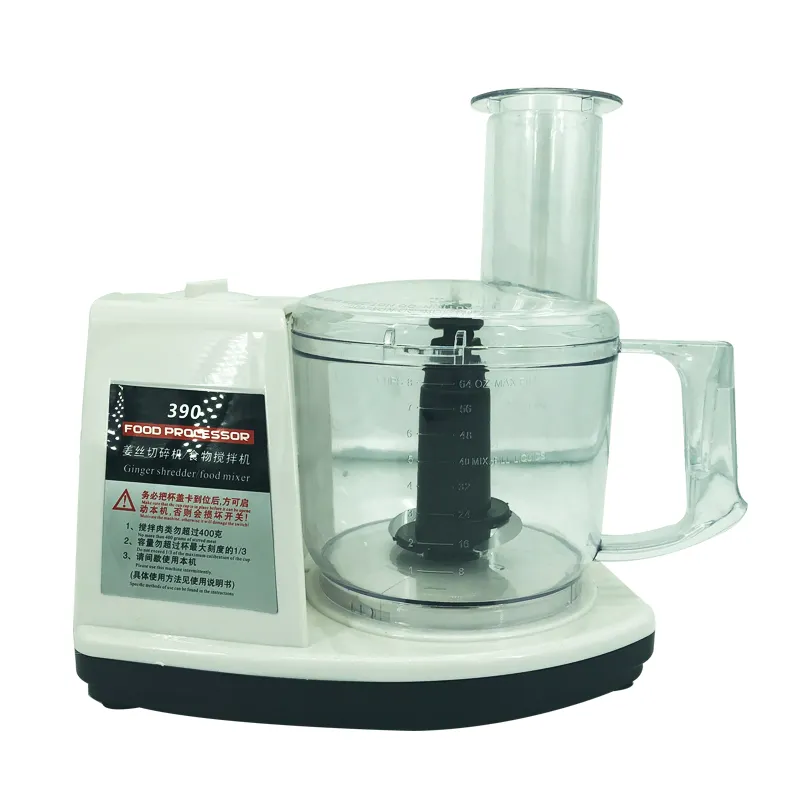
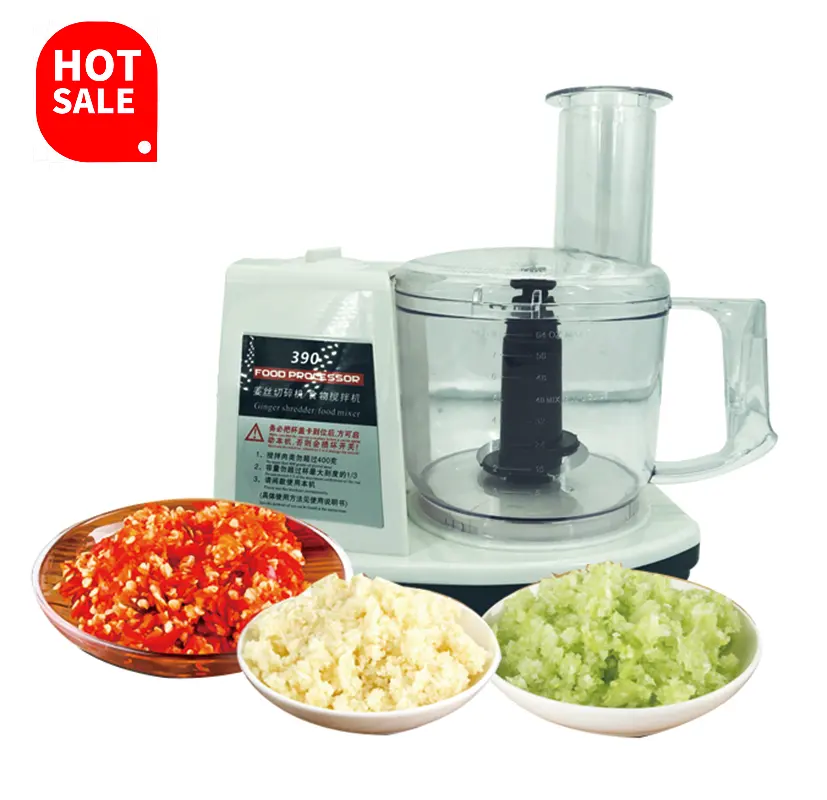
Grinding coffee beans with a blender represents a practical alternative to traditional coffee grinders, offering a versatile solution for coffee enthusiasts. This method utilizes the powerful motor and sharp blades of a standard blender to transform whole coffee beans into grounds suitable for brewing. Modern blenders typically operate between 20,000 to 30,000 RPM, providing sufficient power to achieve various grind consistencies. The process involves adding a measured amount of coffee beans to the blender jar, typically working in small batches of 1/4 to 1/2 cup at a time for optimal results. Users can control the grind size by adjusting the blending duration, with short pulses resulting in coarser grounds and longer blending producing finer particles. The blender's pulse function proves particularly useful in achieving more uniform results. While this method may not offer the precision of dedicated coffee grinders, it successfully processes beans for various brewing methods, including drip coffee makers, French press, and cold brew. The blender's wide container design allows for easy access and cleaning, while its multipurpose nature makes it a cost-effective solution for occasional coffee grinding needs. This approach particularly benefits those who already own a quality blender and prefer not to invest in additional specialized equipment.

New Product Recommendations

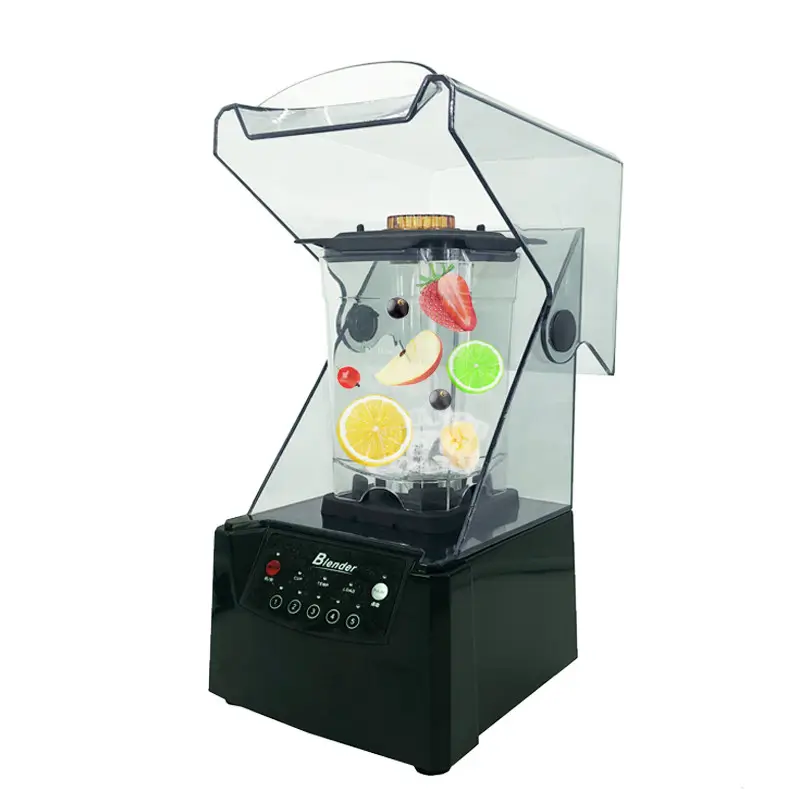
Using a blender to grind coffee beans offers several compelling advantages that make it an attractive option for many coffee enthusiasts. First, it provides exceptional versatility, allowing users to utilize existing kitchen equipment for multiple purposes rather than purchasing a dedicated coffee grinder. This multi-functionality translates to both space and cost savings, especially beneficial for those with limited counter space or budget constraints. The method offers impressive speed and efficiency, capable of processing a significant quantity of beans in mere seconds. Most blenders feature variable speed settings and pulse functions, enabling users to exercise control over the grinding process and achieve their desired consistency. The wide-mouthed container design facilitates easy loading and cleaning, reducing the time and effort required for maintenance. Additionally, modern blenders often incorporate powerful motors that can handle tough coffee beans without strain, ensuring durability and longevity. The method proves particularly suitable for preparing cold brew coffee, where a slightly inconsistent grind actually contributes to the complexity of the final beverage. Users can easily experiment with different grind sizes by adjusting blending duration, making it possible to optimize the grounds for various brewing methods. The transparent container allows for visual monitoring of the grinding process, helping users achieve their desired results. Furthermore, many blenders include dishwasher-safe components, simplifying the cleaning process and maintaining hygiene standards. This accessibility and ease of use make blender grinding an excellent entry point for those beginning to explore fresh-ground coffee.

Latest News

Top 5 Best Coffee Grinders for Perfectly Ground Beans

20

May

Top 5 Best Coffee Grinders for Perfectly Ground Beans

View More
Which Coffee Grinder is the Best? A Comprehensive Review

20

May

Which Coffee Grinder is the Best? A Comprehensive Review

View More
How to Choose the Perfect Blender for Your Kitchen.

06

Jun

How to Choose the Perfect Blender for Your Kitchen.

View More
Blender Market: The Ultimate Resource for 3D Creators.

06

Jun

Blender Market: The Ultimate Resource for 3D Creators.

View More

Get a Free Quote

Our representative will contact you soon.
Email
Name
Company Name
Message
0/1000

grinding coffee beans with a blender

Versatility and Control

Versatility and Control

The blender method for grinding coffee beans stands out for its remarkable versatility and user control capabilities. Modern blenders typically offer multiple speed settings and pulse functions, allowing users to precisely manage the grinding process. This control enables achievement of various grind consistencies, from coarse grounds ideal for French press brewing to finer particles suitable for drip coffee makers. The ability to visually monitor the grinding process through the transparent container provides immediate feedback, helping users adjust their technique in real-time. Additionally, the variable speed control allows for gradual grinding, preventing heat buildup that could potentially affect the beans' flavor profile. This versatility extends to quantity management, as users can process small or large batches according to their immediate needs, reducing waste and ensuring optimal freshness.
Cost-Effective Solution

Cost-Effective Solution

Utilizing a blender for coffee grinding represents a highly cost-effective solution that maximizes the value of existing kitchen equipment. Instead of investing in a dedicated coffee grinder, which can range from $50 to several hundred dollars, this method leverages an appliance many households already own. The multi-purpose nature of blenders ensures that the investment serves multiple culinary needs beyond coffee grinding. Moreover, high-quality blenders often feature durable construction and powerful motors that can withstand regular coffee grinding without significant wear and tear. This durability translates to long-term cost savings, as users avoid the expense of maintaining or replacing a separate grinding appliance. The method also promotes economic efficiency by allowing users to purchase whole beans in bulk and grind as needed, often resulting in significant savings compared to pre-ground coffee.
Ease of Maintenance

Ease of Maintenance

The maintenance aspects of using a blender for coffee grinding demonstrate significant advantages over traditional grinders. The wide-mouthed design of blender containers allows for easy access during cleaning, eliminating the frustration often associated with cleaning specialized coffee grinders. Most blender components are dishwasher-safe, simplifying the cleaning process and ensuring proper hygiene. The smooth, non-porous surfaces of blender containers resist coffee oil accumulation, making regular maintenance less demanding. Unlike traditional grinders with multiple small parts and difficult-to-reach areas, blenders feature a straightforward design that facilitates thorough cleaning. This ease of maintenance ensures consistent flavor quality in subsequent uses, as old coffee residue can be completely removed, preventing flavor contamination between different bean varieties.