Comprehensive Guide to Blender Market Prices: Features, Performance, and Value Analysis

Get a Free Quote

Our representative will contact you soon.
Email
Name
Company Name
Message
0/1000

blender market price

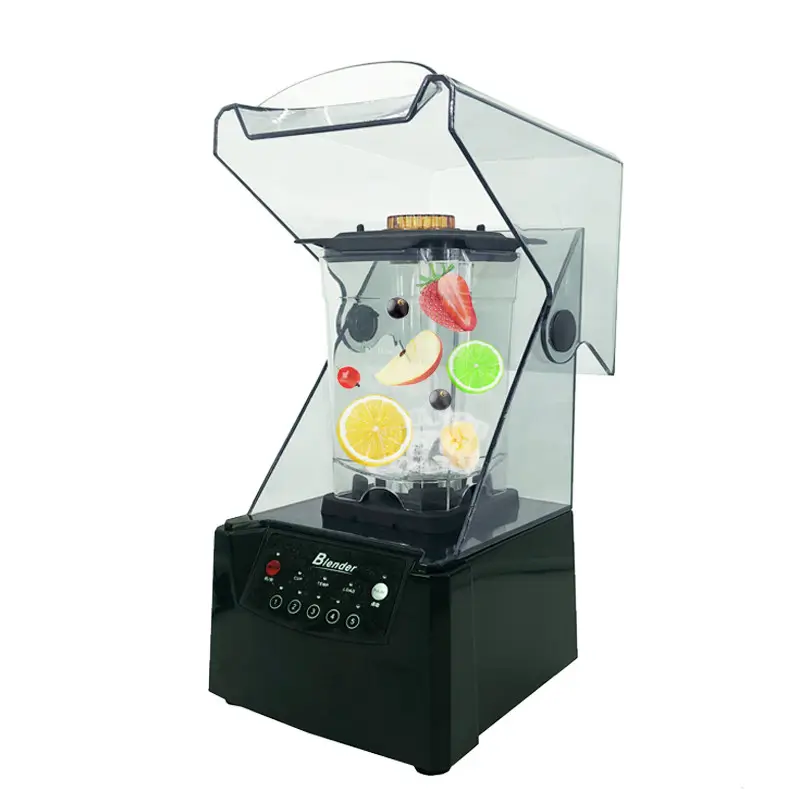
The blender market price landscape represents a diverse spectrum of options catering to various consumer needs and budgets. Entry-level blenders typically range from $20 to $50, offering basic blending capabilities suitable for occasional use. Mid-range models, priced between $50 and $200, provide enhanced durability, multiple speed settings, and increased power output, making them ideal for regular home use. Premium blenders, ranging from $200 to $700, feature advanced technology such as preset programs, digital displays, and professional-grade components. These high-end models often include variable speed controls, pulse functions, and specialized blending programs for smoothies, hot soups, and frozen desserts. Commercial-grade blenders, which can cost upward of $700, are designed for heavy-duty use and incorporate advanced features like sound reduction technology, programmable cycles, and self-cleaning capabilities. The market also sees seasonal fluctuations in pricing, with significant discounts during major retail events. Factors influencing price points include motor power (typically ranging from 300 to 2000 watts), container capacity, blade design, warranty coverage, and brand reputation. Modern blenders across all price points increasingly incorporate smart features, such as bluetooth connectivity and mobile app integration, reflecting the industry's technological evolution.

New Product Releases

Understanding blender market prices offers several significant advantages for consumers seeking to make informed purchasing decisions. First, price awareness enables buyers to identify the sweet spot between features and budget, ensuring optimal value for their specific needs. Different price tiers clearly delineate feature sets, allowing consumers to avoid overspending on unnecessary capabilities while ensuring they don't underspend on essential functions. The market's competitive nature drives manufacturers to continuously improve their offerings, resulting in better quality and more features at each price point. This competition benefits consumers through regular price adjustments and promotional opportunities. Additionally, knowledge of market pricing helps identify genuine deals versus artificial markdowns, particularly during sale seasons. The stratified pricing structure also reflects long-term value considerations, including durability, warranty coverage, and potential repair costs. Higher-priced models often prove more economical over time due to superior build quality and longer operational life. Understanding market prices also reveals the correlation between power specifications and cost, helping consumers match their intended usage with appropriate investment levels. Price variations between brands often indicate differences in manufacturing quality, customer service levels, and post-purchase support. This knowledge empowers consumers to make strategic decisions based on both immediate and long-term considerations, balancing initial investment against expected lifespan and performance requirements.

Tips And Tricks

Baratza Encore ESP vs. Competitors: The Ultimate Coffee Grinder Showdown

20

May

Baratza Encore ESP vs. Competitors: The Ultimate Coffee Grinder Showdown

View More
Baratza Encore ESP: The Coffee Grinder That Changes Your Coffee Game

20

May

Baratza Encore ESP: The Coffee Grinder That Changes Your Coffee Game

View More
How to Choose the Perfect Blender for Your Kitchen.

06

Jun

How to Choose the Perfect Blender for Your Kitchen.

View More
Blender Market: The Ultimate Resource for 3D Creators.

06

Jun

Blender Market: The Ultimate Resource for 3D Creators.

View More

Get a Free Quote

Our representative will contact you soon.
Email
Name
Company Name
Message
0/1000

blender market price

Price-Performance Ratio Analysis

Price-Performance Ratio Analysis

The relationship between price and performance in the blender market demonstrates clear correlations between cost and capability. Entry-level models priced under $50 typically offer 300-500 watts of power, suitable for basic blending tasks like smoothies and shakes. Mid-range units ($50-200) provide 600-1200 watts, handling more demanding tasks including crushing ice and processing tough vegetables. Professional-grade models ($200+) deliver 1500-2000+ watts, capable of handling commercial volumes and creating the smoothest textures. This tiered pricing structure reflects not only raw power but also the sophistication of blade design, motor efficiency, and overall construction quality. Higher price points consistently deliver better performance metrics, including faster processing times, finer blending results, and enhanced durability under heavy use.
Market Price Trends and Seasonality

Market Price Trends and Seasonality

Blender market prices exhibit distinct patterns and seasonal variations that savvy consumers can leverage. Peak pricing typically occurs during new model releases, usually in spring and early fall. Significant discounts appear during major shopping events like Black Friday, Cyber Monday, and end-of-year clearances, with price reductions ranging from 20% to 50%. The market also shows responsive pricing to technological innovations, with older models experiencing price drops as new features become standard. Online marketplaces often offer more competitive pricing than traditional retail outlets, though this gap has narrowed with the rise of omnichannel retail strategies. Manufacturer-direct sales channels frequently provide exclusive deals and bundles, particularly during product launches or promotional periods.
Value-Added Features Across Price Points

Value-Added Features Across Price Points

Different price segments in the blender market offer distinct value-added features that justify their positioning. Budget-friendly options increasingly include previously premium features like multiple speed settings and pulse functions. Mid-range models now commonly feature programmed settings, digital displays, and enhanced safety features. Premium segments emphasize advanced technology integration, including wifi connectivity, smart presets, and self-detecting containers. Higher price points also correlate with improved warranty coverage, typically ranging from 1 year for basic models to 7-10 years for premium offerings. Additional value factors include included accessories, recipe books, and access to online communities or apps. The premium segment particularly emphasizes noise reduction technology, professional-grade components, and innovative design features that enhance user experience and longevity.